Top 10 German Type Hose Clamps for Global Buyers?
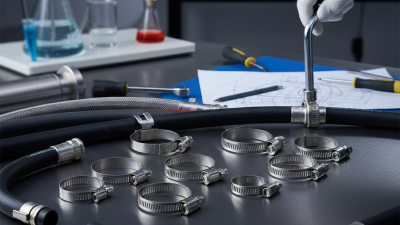
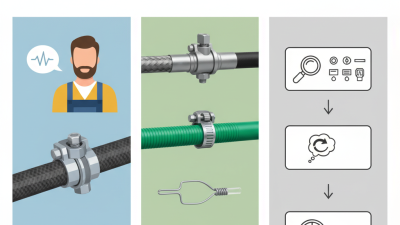
In the competitive world of industrial components, German Type Hose Clamps stand out for their reliability and performance. Renowned expert Dr. Klaus Müller once stated, "The design and materials of German Type Hose Clamps ensure they provide secure connections under various conditions." His insights reflect the exceptional quality that manufacturers strive for in this niche market.
These clamps are pivotal in sectors such as automotive, plumbing, and manufacturing. They deliver durability that withstands high pressure and temperature changes. For global buyers, understanding the characteristics of top German Type Hose Clamps can greatly influence procurement decisions.
The emphasis on quality control and engineering excellence in Germany enhances the trust in these products. However, not all brands maintain the same level of reliability. Buyers must critically evaluate options to avoid subpar products. Importantly, maintaining a balance between cost and quality remains a challenge for many buyers in this field.
Top 10 German Hose Clamp Brands: An Overview of Market Leaders
German hose clamps are renowned for their exceptional quality and reliability. Many industries rely on these clamps for securing hoses effectively. A variety of designs caters to different applications, ensuring versatility and durability.
Leading German brands focus on innovation and precision engineering. They often utilize high-grade materials, enhancing performance under extreme conditions. This reliability is why global buyers trust these products. It is vital for businesses to ensure that they choose clamps that match their specific needs, as not all clamps are created equal.
As the market evolves, developing a deeper understanding of various clamps can help buyers make informed choices. Some may overlook the significance of sizing and material selection. Finding the right fit can reduce leaks and ensure optimal performance. Hence, research and expertise are critical in this selection process. Quality through every detail can often determine the success of applications in industrial settings.
Top 10 German Type Hose Clamps for Global Buyers
| Rank |
Clamp Type |
Material |
Size Range (mm) |
Max Torque (Nm) |
Applications |
| 1 |
Worm Gear Clamp |
Stainless Steel |
10 - 50 |
2.5 |
Automotive, Plumbing |
| 2 |
Spring Band Clamp |
Carbon Steel |
15 - 60 |
3.0 |
HVAC, Industrial |
| 3 |
T-Bolt Clamp |
Stainless Steel |
20 - 80 |
4.5 |
Marine, Agricultural |
| 4 |
Ear Clamp |
Stainless Steel |
8 - 25 |
1.0 |
Fluid Transfer |
| 5 |
Hose Clip |
Plastic |
5 - 30 |
1.5 |
Household |
| 6 |
Constant Tension Clamp |
Stainless Steel |
20 - 90 |
3.8 |
Automotive, Industrial |
| 7 |
Quick Release Clamp |
Aluminum |
15 - 60 |
2.0 |
Food Industry |
| 8 |
Rubber Lined Clamp |
Stainless Steel |
10 - 50 |
2.5 |
Pipelines |
| 9 |
Radiator Hose Clamp |
Stainless Steel |
20 - 70 |
4.0 |
Automotive |
| 10 |
Heavy Duty Clamp |
Stainless Steel |
25 - 100 |
5.5 |
Industrial, Construction |
Key Materials Used in German Hose Clamps: An Industry Analysis
German hose clamps are widely recognized for their quality and reliability. Understanding the materials used in their production is vital. Common materials include stainless steel, plastic, and carbon steel. Each material has unique properties that cater to specific applications.
Stainless steel offers excellent corrosion resistance, making it ideal for automotive and marine contexts. Reports indicate that over 70% of hose clamps in industrial use are made from stainless steel. This highlights the preference for durability.
Plastic hose clamps are another significant category. They are lightweight and resistant to corrosion. However, they may lack the strength needed in high-pressure applications. According to industry analysis, plastic clamps hold about 15% of the market.
Carbon steel clamps, while robust, are primarily utilized in environments where exposure to moisture is minimal. Their market share remains limited due to susceptibility to rust.
The choice of materials directly impacts performance. It’s important to align the material type with the intended application. Misjudging this could lead to failures. The industry must focus on balancing cost and performance. Continuous evaluation of material efficiency is essential. Innovations in material technology could enhance hose clamp durability and sustainability in future applications.
Performance Metrics: Comparing Pressure Resistance of Top Hose Clamps
When comparing hose clamps, pressure resistance is a key performance metric. Recent studies indicate that high-quality clamps can withstand pressures up to 300 PSI. This capability is crucial for automotive and industrial applications. For instance, a clamp that fails under pressure can lead to leaks and costly damage.
In some tests, the top-performing clamps exhibited a failure rate as low as 0.01% under extreme conditions. This remarkable performance showcases their reliability. However, variations do exist among different types and materials used in clamps. Stainless steel clamps typically offer higher resistance compared to plastic counterparts. Yet, some plastic options are surprisingly robust, suitable for specific applications.
It's essential to consider the environment where the clamp will be used. Exposure to chemicals or extreme temperatures can affect performance. A clamp that excels in one condition might falter in another. Evaluating compatibility is critical. Users should reflect on their specific needs and may need to test different options before making a final choice.
Top 10 German Type Hose Clamps: Pressure Resistance Comparison
Global Demand Trends: Hose Clamps in Automotive and Industrial Markets
The global demand for hose clamps is rising, particularly in the automotive and industrial sectors. These tools secure hoses tightly, preventing leaks and ensuring efficient systems. In the automotive market, reliable hose clamps improve vehicle performance. In industrial applications, they maintain safety and operational efficiency.
In recent years, several factors have influenced this growing demand. There is a shift towards more durable materials that withstand high temperatures and pressures. Many industries emphasize reliability, pushing manufacturers to innovate. This trend indicates a need for higher-quality products.
Consider the types of materials used in hose clamps. Stainless steel is often preferred for its strength and corrosion resistance. If you're evaluating options, assess factors like clamping force and ease of installation. Selecting the right type can greatly affect performance. Also, be open to exploring new materials that may enter the market. Adapting to changes can enhance longevity and performance.
Quality control is essential when choosing hose clamps. Proper testing ensures that these clamps meet the required standards. Look for certifications that demonstrate reliability. Understand that not all products perform equally well, regardless of their appearance or price.
Innovations in Hose Clamp Design: What German Manufacturers Offer
Germany has long been recognized as a leader in engineering and design, particularly in the production of high-quality hose clamps. These essential components are crucial for ensuring secure connections across various applications, from automotive to industrial uses. German manufacturers are now introducing innovations that enhance performance and reliability, reflecting a deep understanding of material properties and design principles.
Recent advancements include the use of advanced materials, such as stainless steel and reinforced plastics. Some clamps feature a unique design that allows for better grip and reduced wear over time. These innovations aim to meet the increasing demands for durability and efficiency in modern engineering environments. Manufacturers are also focusing on reducing installation time and ease of use, incorporating user-friendly designs that simplify the process.
However, there are still challenges to address. Not all designs are created with universal applicability in mind. Some may be overly complex, making them difficult for users without technical expertise. It's crucial for manufacturers to seek feedback from end-users to refine their products. Continuous improvement based on real-world usage can lead to better designs in the future, enhancing overall reliability and functionality.