Top 10 Hose Clamp Clips You Should Consider for Your Projects?
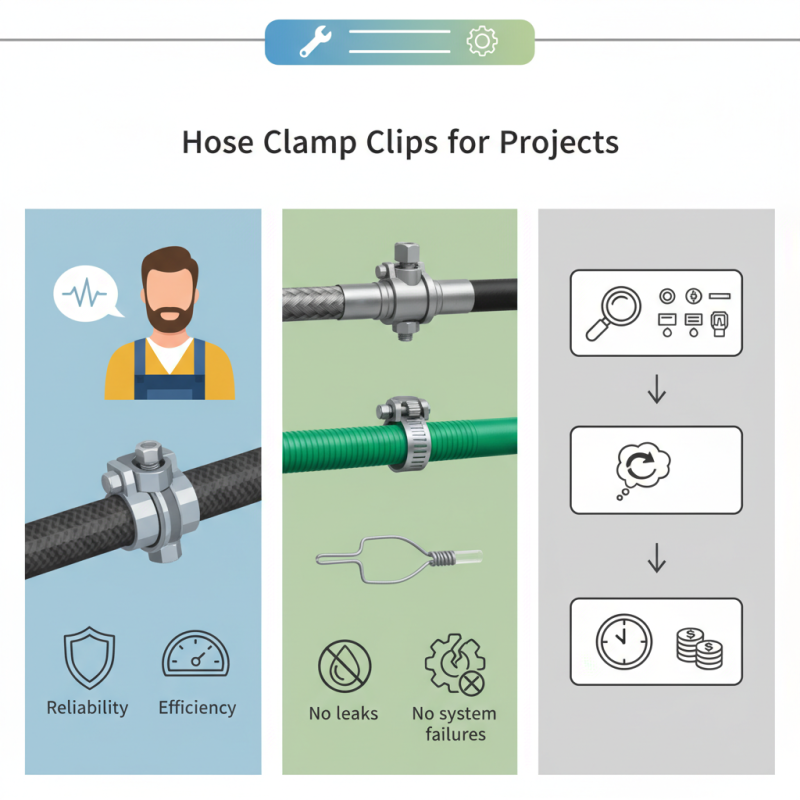
When embarking on your next project, considering the right Hose Clamp Clips is vital. Experts agree on their importance in many applications. Bob Johnson, a respected authority in fasteners, once stated, “Quality hose clamp clips ensure reliability and efficiency in any setup.” This highlights why proper selection matters.
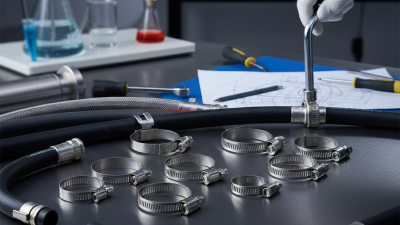
Hose Clamp Clips come in various types and sizes, each serving specific purposes. For example, heavy-duty clips are essential for high-pressure hoses. In contrast, lighter clips may suffice for simple applications. Picking the wrong type can lead to leaks or system failures. This is a frequent mistake that many DIY enthusiasts make.
Choosing Hose Clamp Clips involves understanding your specific needs. Factors like material, width, and closure mechanism play significant roles. Reflecting on previous experiences may guide you. Sometimes, what seemed like a minor detail turned into a major problem later. Rethinking your selections could save time and resources in the long run.
Essential Features to Look for in Hose Clamp Clips
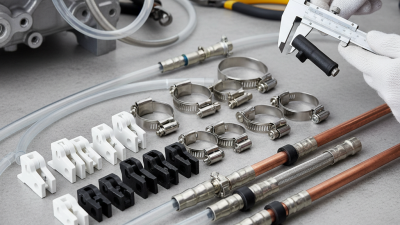
When choosing hose clamp clips for your projects, consider key features for optimal performance. First, material quality matters. Stainless steel offers durability and resistance to rust. Yet, it can be heavy. Plastic clamps are lightweight but may not withstand high pressure or extreme temperatures.
Size is crucial. Measure the hose’s diameter accurately. Loose clamps lead to leaks. Ensure a snug fit without overtightening. A good rule of thumb—aim for a 1/8 inch surplus for adjustment.
Tip: Always test the clamps’ grip on the hose before final installation. Experiment with tension to find the right balance. Sometimes, even a small shift can affect performance significantly. Regular checks during the project can save time and materials.
Don't overlook ease of installation. Some clips require tools, while others are user-friendly. Assess your project’s complexity. If time constraints exist, choose clamps that simplify the process. A well-chosen clamp can make a considerable difference in project efficiency and quality.
Top Materials Used in Hose Clamp Manufacturing
When considering hose clamp clips for various projects, the materials used in their manufacturing become crucial. Hose clamps can be made from stainless steel, plastic, and even rubber. Stainless steel dominates the market due to its durability and resistance to corrosion. According to a recent industry report, nearly 65% of hose clamps utilize some form of stainless steel in their construction. This material not only provides strength but also maintains structural integrity under varying temperatures.
Plastic hose clamps are another popular option, especially for lighter applications. They are typically made from nylon or polyethylene. These materials are lightweight and resistant to chemicals, making them suitable for specific environments. However, their performance can be less reliable under extreme temperatures. Industry data shows that plastic clamps make up about 25% of the market share. This indicates a significant reliance on these materials, yet many users find them lacking in longevity compared to metal counterparts.
Rubber clamps, while less common, serve niche applications due to their flexibility. They provide excellent sealing properties but may wear out faster than other materials. This reflects a broader trend in the industry where different applications require tailored solutions. As users demand more efficient and reliable options, a more rigorous analysis of material selection becomes essential. Even with advancements, challenges remain in balancing cost with performance.
Comparative Analysis of Different Hose Clamp Types
When working with hose clamps, understanding their types is crucial. Each type serves a unique purpose based on the materials and project requirements. The most common types are worm gear clamps, spring clamps, and squeeze clamps.
Worm gear clamps adjust tightly and are versatile, making them a favorite for various applications. They are user-friendly but may slip if not properly installed.
Spring clamps are designed for quick applications. Their simplicity allows for easy installation, but they may not hold up under high pressure.
Squeeze clamps provide a reliable grip but can be more difficult to manipulate in tight spaces. Each type presents its advantages and trade-offs. Selecting the right clamp often requires trial and error, especially when testing for durability and compatibility.
As users refine their choices, they may stumble upon unexpected challenges.
A clamp that works well in one project might fail in another due to changes in environmental conditions or material expansion.
This unpredictability emphasizes the need for careful consideration and engagement with different products.
Effective experimentation can lead to improved outcomes, highlighting the importance of adapting choices based on real-world experiences.
Applications of Hose Clamp Clips in Various Industries
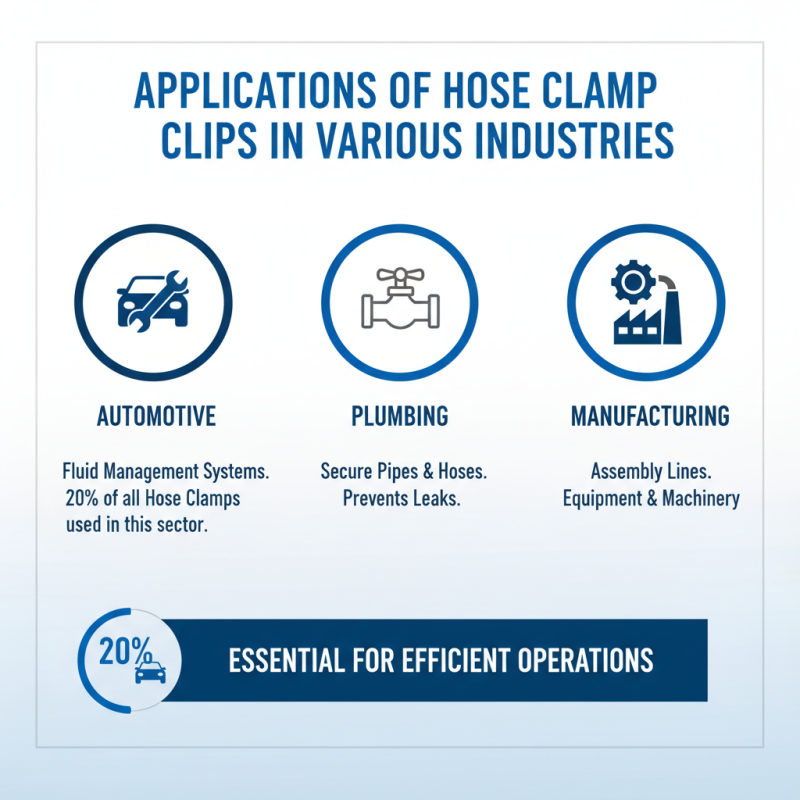
Hose clamp clips play vital roles across various industries, including automotive, plumbing, and manufacturing. Their ability to securely hold hoses and tubes makes them essential in ensuring efficient operations. For instance, a recent industry report highlights that the automotive sector uses around 20% of all hose clamps due to the increased need for fluid management systems in vehicles.
In plumbing, these clips are crucial for preventing leaks. They stabilize pipes and hoses in high-pressure systems. According to research, about 30% of plumbing failures are linked to inadequate hose fittings. This statistic emphasizes the importance of selecting the right clamp type for specific applications. Industrial equipment also relies on hose clamp clips to manage fluid transfer safely. A small oversight in choosing clamps can lead to costly downtimes.
Tips for selecting hose clamp clips: Always consider the material. Stainless steel offers high durability in corrosive environments. Ensure the size matches your hoses to prevent slippage. Regularly inspect clamps for wear and tear to maintain system integrity. Using the appropriate clip contributes significantly to overall efficiency and safety in fluid transfer applications.
Maintenance Tips for Long-lasting Hose Clamps
When selecting hose clamps, maintenance is crucial for their longevity and performance.
Regular inspections can reveal wear and tear that may compromise effectiveness. According to industry reports, up to 25%
of hose clamp failures occur due to improper maintenance. Inspect clamps for corrosion, rust, or deformation, as these issues often lead
to functionality problems.
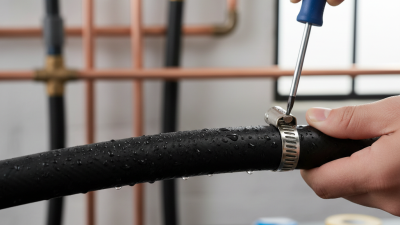
Proper installation is also vital. Ensure that the hose is adequately seated within the clamp.
A misaligned clamp can create leaks or even blow-offs under pressure. Research shows that over-tightening is a common mistake, weakening
the materials and reducing lifespan. A torque wrench can help achieve the right tightness.
Environmental factors matter too. Exposure to extreme temperatures or chemicals can impact the
durability of hose clamps. Data suggests that clamps made with stainless steel withstand harsh
conditions better than other materials. However, even the best clamps require periodic checks to ensure reliability.
Regular maintenance practices, including cleaning and relubricating, can greatly extend their use.