German Type Hose Clamp Buying Guide for Global Importers
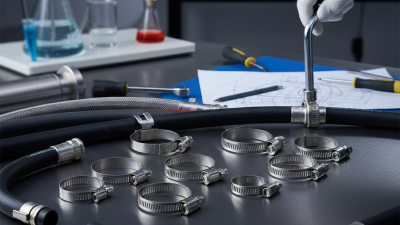
When considering the purchase of a German Type Hose Clamp, it's essential to understand its features and benefits. These clamps have earned a reputation for their durable construction and reliable performance. They're widely used in various industries, from automotive to plumbing. Selecting the right type can be quite challenging, especially for global importers.
The German Type Hose Clamp is known for its robust design. Made from high-quality materials, it offers excellent corrosion resistance. This durability ensures a long service life, even in harsh environments. Importers should focus on specific parameters such as size, material grade, and tension. Each factor plays a critical role in the overall effectiveness of the clamp.
However, it’s important to recognize that not all clamps are created equal. Variations in manufacturing quality can lead to significant issues. Paying attention to regulatory compliance is crucial to avoid potential export problems. Understanding the nuances of the German Type Hose Clamp can make all the difference for importers seeking reliability in their procurement process.
Overview of German Type Hose Clamps and Their Applications
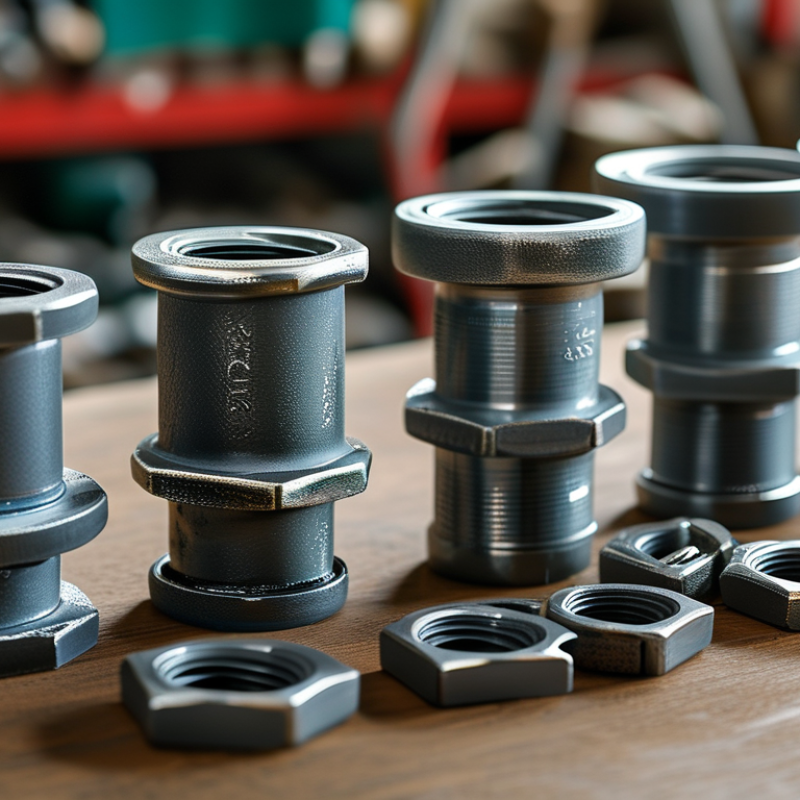
German Type Hose Clamps are crucial in various industries, including automotive, construction, and manufacturing. Made primarily of stainless steel, these clamps are designed for durability and resistance to corrosion. According to industry reports, their market is expected to grow significantly, with a projected annual increase of 5.5% through 2027. This growth indicates a rising demand for reliable hose fastening solutions.
These clamps excel in high-pressure applications. They provide a secure seal, preventing leaks in hydraulic systems, fuel lines, and water hoses. Their design allows for easy installation and adjustments, making them user-friendly. In fact, a study by a leading engineering firm notes that improper hose fittings can lead to system failures, highlighting the importance of choosing the right clamp. Yet, many users often overlook their quality, relying on cheaper alternatives that may lead to hazardous situations.
While there are numerous types available, understanding application-specific needs is vital. Consider the material and size of the hose. Clamps should fit snugly to function effectively. A report indicates that 30% of leak issues are linked to incorrect clamp selection. Therefore, careful consideration will not only enhance performance but also ensure safety in operations.
Key Factors to Consider When Buying German Type Hose Clamps
When considering German type hose clamps, there are several key factors to keep in mind. The material used in the clamps plays a critical role. Stainless steel is often preferred for its strength and resistance to corrosion. Depending on the application, you may also want to consider clamps made with rubber lining for added grip and protection.
Another important aspect is the size range available. Ensure you choose clamps that fit the specific diameter of your hoses. An improper fit can lead to leaks or clamp failure. The design of the clamp is crucial too. A well-engineered design can provide better performance and durability. Check for features like the ease of installation and adjustability.
Pricing should not be your only concern. However, it is wise to balance cost with quality. Investigate suppliers that offer a reliable product history. Customer reviews can provide insights, but be cautious; not all reviews are unbiased. Reflect on previous purchases and any issues encountered. This can help inform your future decisions.
Different Materials and Designs of German Type Hose Clamps
When considering German type hose clamps, material and design play crucial roles. Stainless steel is a common choice. It offers durability and resistance to corrosion. This makes it ideal for applications in harsh environments, such as automotive and industrial sectors.
Plastic clamps, while lighter, often serve specific purposes. They are useful in applications where weight is a concern. However, their tensile strength is usually lower compared to metal hoses. This trade-off can lead to potential failures in high-pressure situations.
Various designs exist, from worm gear to smooth-bore clamps. Each design offers unique benefits. Worm gear clamps provide a snug fit, ensuring a secure seal. Smooth-bore clamps reduce the risk of damage to soft hoses. Understanding these differences is essential for importers to make informed choices. Selecting the right material and design can prevent future issues.
German Type Hose Clamp Material Comparison
Supplier Verification and Quality Assurance for Global Importers
When purchasing German type hose clamps, supplier verification is crucial. A reliable supplier must demonstrate a proven track record. This includes providing references and demonstrating experience in manufacturing quality hose clamps. Pay attention to production practices, as they often indicate the overall quality. Look for suppliers who comply with industry standards, but remember that compliance alone doesn't guarantee excellence.
Quality assurance should be a continuous process. Ask about their testing procedures for hose clamps. Understanding the specifics of how each product is tested can provide valuable insight into the supplier's commitment to quality. Keep in mind that some suppliers may overstate their capabilities. Therefore, it is essential to verify claims with documentation.
Trust but verify; this adage applies well in supplier relationships. Regular audits can uncover inconsistencies in quality. These inspections are not just for show; they help ensure that products meet your needs. Some importers may overlook this step, which can lead to costly errors later. A proactive approach to supplier verification can save time and resources, leading to more successful importation.
Import Regulations and Shipping Considerations for Hose Clamps
When importing German hose clamps, understanding import regulations is crucial. Different countries enforce various standards. For instance, the European Union often requires compliance with RoHS (Restriction of Hazardous Substances) regulations. This can affect the materials used in manufacturing hose clamps. Ensuring compliance is essential to avoid delays at customs.
Additionally, shipping considerations are vital. The International Chamber of Commerce reports that around 30% of global shipments face delays due to improper documentation. Accurate invoices and packing lists can expedite the process. Importers should also be aware of duties and taxes. These costs can vary significantly based on the country of origin and destination.
Quality assurance is another important factor. Many global importers underestimate the impact of low-quality products. According to a survey by the Manufacturing Institute, 60% of businesses face production disruptions due to defective parts. This highlights the importance of sourcing reliable suppliers. Conducting thorough inspections before shipping can mitigate risks.