2026 German Type Hose Clamp Buyer Guide and FAQs
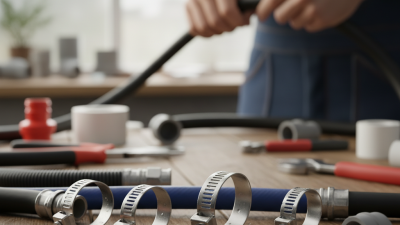
When it comes to securing hoses in various applications, the German Type Hose Clamp stands out for its durability and effectiveness. This guide aims to provide essential insights into selecting the right hose clamp for your needs. Adopting a German Type Hose Clamp can enhance the integrity of your connections, ensuring they withstand high pressure and temperature fluctuations.
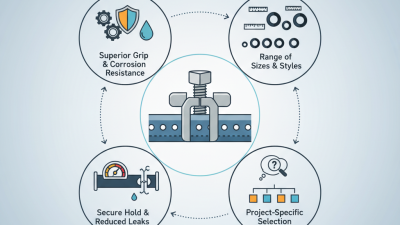
Understanding the key features of German Type Hose Clamps is crucial. These clamps are known for their robust design and reliable performance. They are versatile and suitable for a wide range of projects, from automotive to industrial uses. However, not all clamps are created equal. Some may fail to provide the necessary tension or corrosion resistance.
As you explore the options available, consider your specific requirements. Are you working in a high-humidity environment? Do you need clamps that can handle extreme temperatures? These factors can significantly influence your choice. The right German Type Hose Clamp should meet your demands while offering longevity and reliability. It's worth taking the time to research and compare products. In doing so, you not only ensure a successful application but also safeguard your investments.
Overview of German Type Hose Clamps and Their Applications
German type hose clamps are essential in many applications, from automotive to industrial uses. These clamps provide a secure and adjustable fit for hoses of varying diameters. They are designed to prevent leaks and ensure efficient fluid transfer. Proper selection and installation of hose clamps can significantly influence the performance of your systems.
When using German type hose clamps, consider the material. Stainless steel clamps are durable and resistant to corrosion. However, they may be more expensive than other materials. Think about the environment where these clamps will be used. High temperatures or exposure to chemicals may change your selection process. Installing clamps tightly without damaging the hose material is crucial.
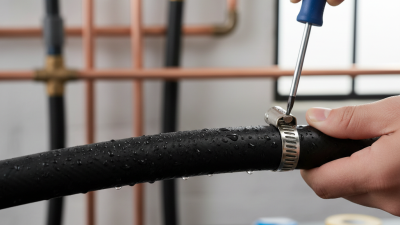
Tips: Always inspect the hose and clamp for wear before installation. Improper installation can lead to leaks or failures. If you’re unsure about the right size, opt for adjustable clamps. They offer versatility and can accommodate a range of hose sizes. Keep in mind that not all hose clamps are created equal; some may not withstand high pressure. It’s vital to choose the right type for your specific application.
Key Features to Consider When Buying German Type Hose Clamps
When purchasing German type hose clamps, it’s crucial to consider key features that impact performance and durability. Materials often dictate the clamp's resistance to corrosion.
Stainless steel is common due to its strength and rust resistance. According to industry reports, about 70% of failures in hose clamps are linked to material degradation over time.
Another essential feature is the clamp's design, which influences its gripping strength. The width and contour of the band can determine how evenly the pressure is applied across the hose. This matters because uneven pressure can lead to leaks. Most engineers recommend clamps with a band width of at least 12mm for optimal performance.
Tip: Always check the manufacturer's specifications for maximum pressure ratings and temperature limits.
Lastly, consider the ease of installation. Some hose clamps are designed for quick adjustments, which can save valuable time in projects. However, not all clamps offer this convenience. Reflect on your specific needs to find the best match. Balancing quality and usability can lead to better long-term solutions.
Types of German Type Hose Clamps and Their Differences
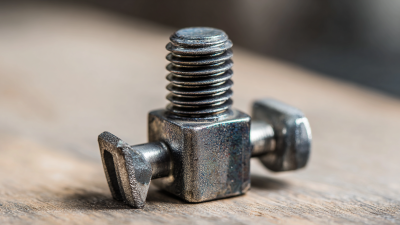
When exploring German type hose clamps, understanding their types is crucial. German type hose clamps primarily include worm gear clamps, spring clamps, and T-bolt clamps. Each has distinct features tailored for specific applications. Worm gear clamps are adjustable and provide strong holding power. Spring clamps, however, are better for applications requiring ease of installation and removal. T-bolt clamps excel in high-pressure situations, offering robustness and reliability.
Tips: When choosing, consider the application environment. Corrosion resistance is vital for outdoor uses. Also, pay attention to the size range. A poorly fitting clamp can lead to leaks and system failures.
Understanding the differences among these clamps is essential for effective usage. According to a report from MarketsandMarkets, the global hose clamp market is projected to grow significantly. Poor choices could lead to equipment damage or safety risks. Therefore, research thoroughly before purchasing. Look for certifications that add credibility to your selections.
Top Brands of German Type Hose Clamps in the Market
When looking for German type hose clamps, it's essential to consider the top brands in the market. These clamps are known for their durability and precision. A well-made hose clamp can withstand high levels of pressure and temperature. This reliability makes them ideal for automotive, marine, and plumbing applications.
One of the key features of these clamps is their design. They often have a screw mechanism for easy adjustments. This allows perfect fitting on hoses of various sizes. While many brands offer excellent products, not all are created equal. Some users have noted that cheaper options may lead to leaks over time. It's crucial to invest in quality.
Additionally, there are specific needs for different applications. For instance, some users require clamps for high-pressure hoses. Others may need something that can handle corrosive environments. Evaluating your requirements is vital. Don’t just follow trends; take time to research. Consider field-test results, and customer experiences can provide valuable insights.
Frequently Asked Questions About German Type Hose Clamps
When considering German Type Hose Clamps, it's essential to address common questions. These clamps are known for their durability and ease of use. Many users ask about their material and construction. Typically, they are made of stainless steel, which provides excellent corrosion resistance. This feature is crucial for applications in wet environments.
A frequent concern involves sizing. Buyers often wonder how to choose the correct size. Accurately measuring the diameter of the hose is vital. A snug fit helps maintain the required pressure and prevents leaks. It's worth noting that an overly tight hose clamp can damage the hose.
Tips: Always double-check the clamp's specifications before purchase. Use a caliper for precise measurements. If you're unsure, buying a few sizes might help you find the perfect fit. Remember that while these clamps are resilient, improper installation can lead to failures. Take your time during installation for the best results.
2026 German Type Hose Clamp Buyer Guide and FAQs
| Feature |
Description |
Typical Size Range |
Material Options |
| Adjustable |
Can accommodate different diameter hoses. |
16 mm - 40 mm |
Stainless Steel, Carbon Steel |
| Corrosion Resistance |
Ideal for humid and wet environments. |
20 mm - 60 mm |
Galvanized Steel, Aluminum |
| Ease of Installation |
Quick to install with basic tools. |
10 mm - 50 mm |
Plastic, Stainless Steel |
| Durability |
Built to withstand high pressure and temperatures. |
15 mm - 70 mm |
Stainless Steel, PVC coated Steel |