How to Choose the Right Hose Clamp for Your Needs?
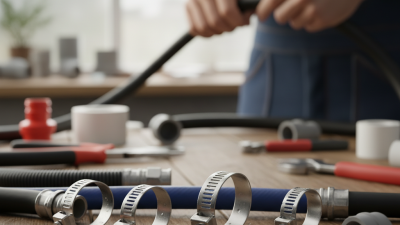
Hose clamps are essential components in various industries, from automotive to plumbing. Their primary function is to secure hoses in place, preventing leaks and ensuring the integrity of systems. According to a recent market report by Grand View Research, the global hose clamp market is expected to reach over $1.2 billion by 2028, highlighting their importance across numerous applications.
Choosing the right hose clamp can impact efficiency and safety. Using the wrong clamp may lead to leaks or even system failures. A study published in the Journal of Mechanical Engineering found that improper hose clamp selection accounted for nearly 15% of failures in hydraulic systems. These statistics underscore the necessity of informed choices when selecting hose clamps based on specific needs.
Various materials and designs are available, such as stainless steel and plastic. Each type offers unique benefits and potential drawbacks. Sometimes, users might overlook the specifications of their applications, leading to suboptimal performance. As demand grows, understanding how to choose the right hose clamp becomes increasingly vital for both DIY enthusiasts and professionals.
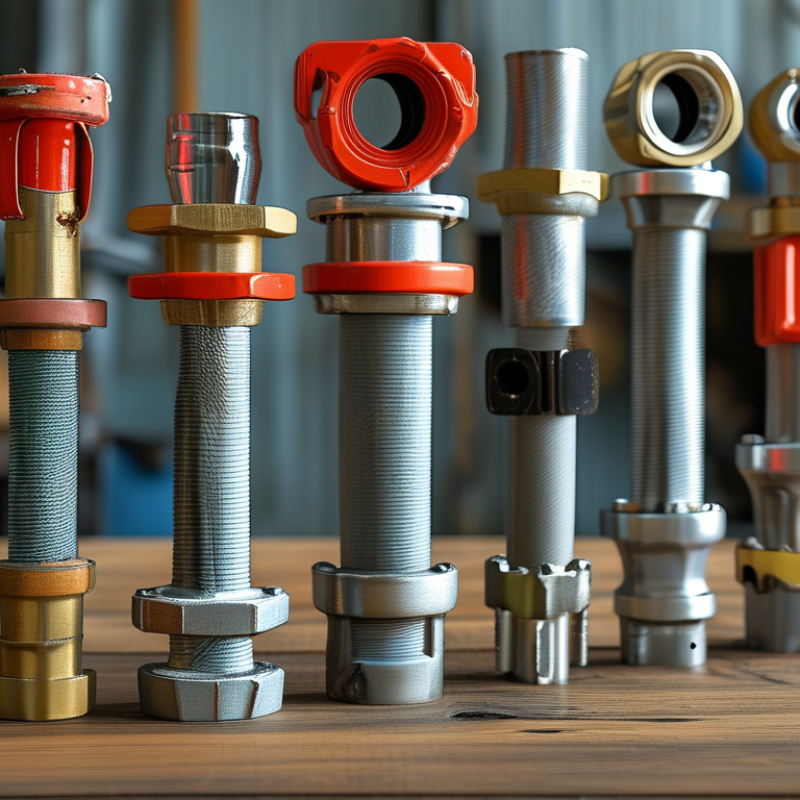
Understanding Different Types of Hose Clamps Available in the Market
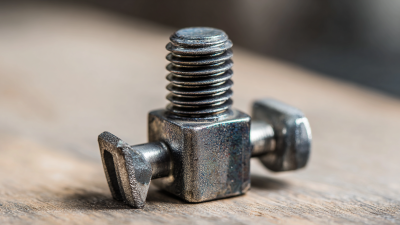
When selecting a hose clamp, understanding the types available is crucial. The most common types include worm gear clamps, spring clamps, and wire clamps. According to industry reports, worm gear clamps dominate the market, accounting for over 45% of sales. They are popular due to their ease of use and robustness. These clamps tighten around hoses using a threaded mechanism, ensuring a secure fit.
Spring clamps offer a different solution. They are designed for quick attachment and detachment, making them ideal for situations requiring frequent adjustments. With a simpler design, they are lightweight and often used in automotive applications. However, they may not provide the same level of security as worm gear clamps.
Wire clamps, on the other hand, serve specific applications. They are suitable for low-pressure hoses and are often seen in irrigation systems. Yet, they might not be the best choice for high-pressure environments.
Choosing the right clamp is about balancing needs and limitations. For high-pressure situations, worm gear clamps typically provide the best results. However, not all hoses require such strength. It's essential to understand your specific use case. A detailed analysis of your hose's material and pressure rating can lead to better performance. Each type has advantages and drawbacks. Decision-making should be informed by these insights.
Evaluating Material Options for Hose Clamps for Durability and Performance
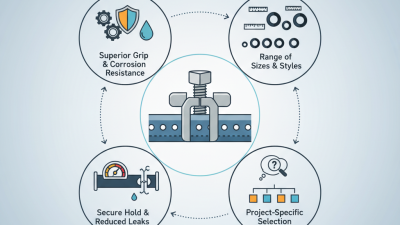
Choosing the right hose clamp involves careful consideration of materials. Each material offers unique benefits and drawbacks. Stainless steel is a popular choice for many applications due to its strength and resistance to corrosion. It performs well in harsh environments, making it a reliable option for outdoor use. However, its cost can be higher than other materials.
Plastic clamps can be lightweight and cost-effective. They work well for lighter applications, such as garden hoses. Yet, they might not hold up under high pressure or extreme temperatures. There’s a risk of failure if used improperly. Each application might require a different approach.
Rubber materials are sometimes used in combination with metal clamps. This can provide added flexibility and grip. Still, it’s essential to assess how these materials will perform together. Sometimes, a clamp might not fit perfectly, leading to leaks or wear over time. Bearing all these factors in mind will help ensure an informed decision.
How to Choose the Right Hose Clamp for Your Needs?
| Material |
Corrosion Resistance |
Temperature Range |
Strength |
Typical Applications |
| Stainless Steel |
Excellent |
-200°C to 800°C |
High |
Automotive, Marine |
| Mild Steel |
Moderate |
-20°C to 300°C |
Medium |
General Industrial |
| Plastic |
Good |
-40°C to 100°C |
Low |
Home Use, Garden |
| Aluminum |
Moderate |
-50°C to 300°C |
Medium |
HVAC, Ductwork |
| Copper |
High |
-200°C to 600°C |
Medium |
Plumbing, HVAC |
Determining the Correct Size for Your Hose and Clamp Compatibility
Choosing the right hose clamp involves careful consideration of size and compatibility. A common mistake is assuming that all clamps are interchangeable. The ideal clamp must fit snugly around the hose without excessive pressure. According to a 2021 industry report, using clamps that are too small can lead to leaks, while oversized clamps may cause hose damage.
To determine the correct size, measure the outer diameter of the hose. Professionals recommend using calipers for accuracy. Most hoses have specific dimensions; a 2020 survey found that 70% of hose failures were due to improper sizing. After noting the size, check the clamp’s specifications. It is essential to ensure they match. Compatibility is critical for durability and performance.
The material of the clamp also matters. Stainless steel offers corrosion resistance, while plastic can be lightweight. Different applications demand different materials. However, some users overlook this aspect, leading to premature wear. Understanding the environment where the hose will be used is vital. Will it face extreme temperatures or exposure to chemicals? Choosing appropriately can lengthen the lifespan of both the hose and clamp.
Assessing the Environment: Choosing Hose Clamps for Specific Conditions
When choosing hose clamps, the environment plays a crucial role. Factors such as temperature, humidity, and exposure to chemicals can significantly impact the effectiveness of the clamp. According to industry research, over 25% of hose clamp failures are linked to incorrect material selection for specific environments.
Corrosive environments require special attention. If a hose clamp will be exposed to chemicals, stainless steel or plastic clamps may be necessary. For example, saltwater applications necessitate clamps with high corrosion resistance. A study by the Hose Clamp Association found that using the wrong clamp can lead to leaks, costing companies significant downtime and repairs.
Temperature variations also affect material performance. Some clamps can withstand high temperatures, while others cannot. It’s essential to know the operating range of the clamp material. A report by the Institute of High-Temperature Research indicates that nearly 15% of failures occur due to thermal distortion. Always assess operational conditions to ensure reliability, as poor choices can lead to operational inefficiencies.
Installation Tips for Ensuring Optimal Performance of Hose Clamps
Installing hose clamps correctly is crucial for their performance. Begin by ensuring the hose is clean and free from debris. A clean surface promotes a better seal and reduces the chance of leaks. When placing the clamp, position it close to the end of the hose, yet not so far that it risks slipping off. This is often overlooked but significantly impacts its effectiveness.
Tightening the clamp is another area where caution is essential. Over-tightening can damage the hose and create leaks. Using a torque wrench can help achieve optimal tightness. Check the manufacturer's specifications if available. After installation, inspect the clamp periodically. Look for signs of wear or any changes in tightness. Catching issues early can prevent bigger problems down the line.
Additionally, using clamps made of the right material for your environment is vital. Some situations may require corrosion-resistant materials. Picking the wrong type could lead to premature failure. Reflecting on your installation and material choice is key to long-lasting results.