Why Hose Clamps Are Essential for Your DIY Projects and Repairs?
Hose clamps may seem like simple tools, but their importance cannot be underestimated. Whether you are fixing a leaky hose or securing various components, these small yet powerful devices play a crucial role. They provide stability and reliability, ensuring that DIY projects are successful and long-lasting.
Many people overlook the significance of hose clamps until something goes wrong. A loose connection can lead to leaks, causing damage and frustration. Understanding how to use a hose clamp correctly can save time and money. It empowers DIY enthusiasts to tackle repairs with confidence.
Moreover, the variety of hose clamps available allows for versatility in projects. From automotive to plumbing applications, each type meets specific needs. Assembling projects becomes easier with the right hose clamp at hand. However, improper use can lead to issues. Investing time in learning the best practices for hose clamp usage is invaluable. This knowledge enhances your projects’ outcomes and builds your expertise over time.
The Importance of Hose Clamps in Various DIY Projects
Hose clamps are often overlooked in DIY projects, but they play a crucial role in ensuring safety and functionality. They are designed to secure hoses and tubing, preventing leaks and pressure loss. This is especially important in plumbing, automotive, and garden applications, where a small failure can lead to significant damage.
When choosing hose clamps, consider the material. Stainless steel is durable but may corrode over time in certain environments. Plastic clamps are lighter and resistant to rust. However, they may not hold up well under high pressure. Knowing your project's specific needs will guide your choice.
Tips: Always measure the diameter of your hose before purchasing clamps. A snug fit is essential. Avoid over-tightening the clamps; this can damage the hose and cause leaks. Regularly inspect your clamps, especially in outdoor settings where wear and tear can occur more rapidly. Keep replacements on hand for quick fixes.
Types of Hose Clamps and Their Specific Applications
Hose clamps are vital components in various DIY projects and repairs. Understanding the different types of hose clamps and their specific applications can enhance your work efficiency.
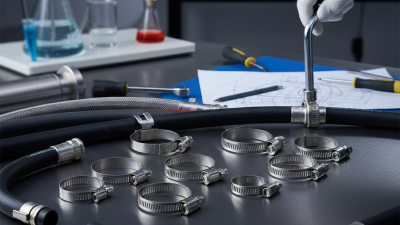
There are several types of hose clamps, each suited for certain tasks. For example, worm gear clamps are widely used in plumbing and automotive applications. They provide excellent grip and can handle different hose materials.
Spring clamps, on the other hand, are easier to install and adjust, making them great for quick fixes. These clamps are common in gardening and home improvement projects, where they can secure hoses in place without cumbersome tools.
Choosing the right clamp can be tricky. Not every hose clamp fits every situation. Consider the type of material and the purpose of your project. Over-tightening a clamp can damage your hose, leading to leaks or failure.
A visual inspection is essential; look for signs of wear, rust, or cracks before using.
Always keep in mind that not all hoses are the same. Some require specific types of clamps for optimal performance. When working with high-pressure hoses, make sure to select clamps rated for that use. This small detail can save you from a major headache down the line.
How to Choose the Right Hose Clamp for Your Needs
Choosing the right hose clamp for your project is crucial. The type and size of the clamp can impact the effectiveness of repairs. In 2022, industry reports indicated that improper hose clamp selection led to a 15% increase in failures during pressure tests. Selecting the correct clamp improves reliability and safety.
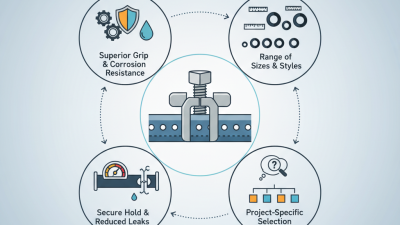
When considering hose clamps, focus on material and design. Stainless steel clamps resist corrosion, making them ideal for outdoor projects. Plastic clamps are lightweight and suitable for low-pressure applications. A recent survey highlighted that 80% of DIY enthusiasts prefer stainless steel for versatility. Size matters too; an improperly sized clamp can slip or crush hoses, leading to leaks.
Evaluate installation requirements before choosing a clamp. Some projects may require specialized tools for tightening. A staggering 40% of users have reported issues with inadequate tightening methods. Carefully assess your needs to prevent frustration. Always keep in mind the specific demands of your project as this will guide you to the best hose clamp solution.
Importance of Hose Clamps in DIY Projects
Step-by-Step Guide to Installing Hose Clamps Effectively
Installing hose clamps is a straightforward process, yet effective execution is crucial. Gather your tools: a screwdriver, scissors, and the hose you plan to secure. Before you begin, ensure the surface is clean and dry. This prevents future leaks that could lead to costly repairs.
Start by sliding the hose clamp onto the hose before fitting it over the connection. Position the clamp about half an inch from the end of the hose. Tighten the clamp carefully. Over-tightening can damage the hose, while under-tightening risks leaks. Use a screwdriver for precision. Check the tension after installation. It’s good to note that some adjustments may be needed over time as the materials settle.
While hose clamps are generally reliable, they can falter if used improperly. For instance, not matching the clamp size to the hose can lead to failures. It’s essential to learn from any mistakes. If a clamp slips or loosens, reevaluate your installation. Reflecting on these details can make your DIY projects more successful in the long run. Regular inspections can catch issues before they escalate.
Common Mistakes to Avoid When Using Hose Clamps in Repairs
When using hose clamps, it's vital to avoid common mistakes that can lead to issues down the line. One frequent error is overtightening the clamp. Excessive torque can damage the hose, causing leaks. It’s easy to think a tighter fit is better, but it can lead to more problems. Always check the manufacturer's recommendations to find the right tension.
Another mistake is using the wrong size clamp. A clamp too small may not hold securely, while an oversized one won’t grip properly. This can result in slippage and leaks. Measure the hose diameter accurately before purchasing clamps. Trust in precision here, as a small miscalculation can derail your project.
Finally, neglecting regular inspections is a misstep many make. Clamps can wear down over time due to exposure to elements or vibrations. Regular checks can help catch issues early, saving you from larger repairs. Be proactive in your maintenance to ensure reliability.