Top Tips for Choosing German Type Hose Clamps for Your Projects?
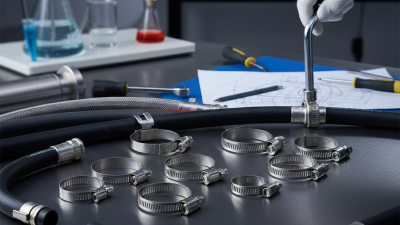
When selecting components for your projects, choosing the right tools is essential. The German Type Hose Clamp is a reliable choice for various applications. These clamps are known for their durability and effective sealing capabilities. However, not all clamps are created equal. Understanding the critical features that define a quality hose clamp is crucial.
Many users face challenges in making the best choice. Factors like material quality, size, and design can significantly impact performance. A poorly chosen clamp may lead to leaks and costly repairs. One should not underestimate the importance of proper fit. A precise measurement ensures that the clamp performs optimally.
While many options are available, selecting a German Type Hose Clamp can simplify your decision-making. These clamps often showcase superior engineering. They provide long-lasting solutions for both basic and complex projects. Remember, ensuring reliability in your choice is vital for a successful outcome. Pay attention to details, and your project will benefit greatly.
Understanding the Different Types of German Hose Clamps Available
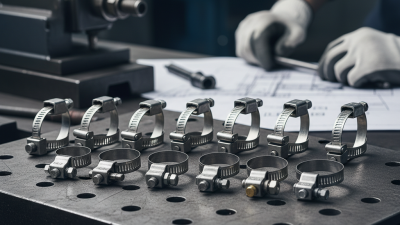
When selecting German type hose clamps, understanding the different options available is crucial. These clamps are defined by their application and material. There are typically three main types: the worm drive clamp, the spring clamp, and the T-bolt clamp. Each has unique strengths. For instance, worm drive clamps offer flexibility in size adjustment, making them ideal for various hose diameters. A report by the Hose Clamp Association indicates that 70% of industrial applications prefer worm drive clamps due to their reliability and ease of use.
Tip: Consider the application environment. For high-pressure settings, T-bolt clamps provide a secure fit. They are commonly used in automotive and aerospace sectors. Their ability to withstand vibrations enhances their reliability. Spring clamps, on the other hand, are noted for quick assembly and disassembly, which is beneficial in maintenance-heavy industries. However, they might not be suitable for high-torque applications.
Selecting the right clamp also requires attention to the material. Stainless steel is the default choice for corrosion resistance. Some projects may require specific coatings or finishes to enhance longevity in harsh environments. Reflecting on potential shortcomings, it’s essential to verify that your clamp meets operational pressure ratings. Always consult technical sheets to ensure compliance with your project's specifications.
Key Factors to Consider When Selecting Hose Clamps for Your Projects
When selecting German type hose clamps for your projects, consider crucial factors that impact performance. Firstly, the material of the clamp is vital. Stainless steel clamps offer durability and resist corrosion, making them suitable for various environments. A 2022 industry report notes that nearly 70% of professionals prefer stainless steel for its longevity. However, they may not always perform well under extreme temperatures. Evaluating the material ensures reliability in diverse conditions.
Another key factor is the clamp's design. A graduated design provides uniform distribution of pressure, preventing hose damage. The right size is equally important; an ill-fitting clamp can lead to leaks. A study found that 15% of clamp failures stem from improper sizing. Therefore, consulting sizing charts and specifications before purchase is essential.
Lastly, pay attention to the installation mechanism. Some clamps require special tools for adjustment, while others can be tightened manually. Convenience can save time, especially in large projects. A hands-on approach is valuable here. Assess your specific needs closely, as this will influence the clamp's applicability in your work.
Top Tips for Choosing German Type Hose Clamps for Your Projects
Material Options for German Hose Clamps: What to Choose and Why
When selecting German type hose clamps, the material you choose is crucial for performance and durability. Common options include stainless steel, carbon steel, and plastic. Stainless steel is favored for its resistance to corrosion. It works well in harsh environments, making it a reliable choice. Carbon steel offers strength but may require a protective coating to prevent rust.
Plastic clamps are lightweight and easy to install. They are ideal for low-pressure applications and are often used in home projects. However, their durability is not comparable to metal options. Each material has its own strengths and weaknesses, so understanding your specific needs is vital.
Tip: Always consider the temperature and pressure conditions in your application. This influences material selection significantly. Ensure the chosen clamp can handle the environment without failure. Another tip is to match the clamp size accurately to the hose diameter. A proper fit is essential for effective sealing. Neglecting this can lead to leaks or hose damage.
Sizing and Compatibility: Ensuring a Perfect Fit for Your Application
When selecting German type hose clamps, sizing and compatibility are crucial. A perfect fit prevents leaks and ensures optimal performance. Start by measuring the outer diameter of the hose. This measurement helps in choosing the right clamp size. If the clamp is too tight, it can damage the hose. If too loose, it can lead to slippage.
Consider the material of the hose as well. Different hoses, such as rubber, silicone, or plastic, have varying flexibility. A clamp that works well with one material might not suit another. Double-check the clamp's specifications before purchasing. It's essential to match the clamp with the hose's application. For high-pressure situations, a heavy-duty clamp is advisable.
Keep in mind the installation process. Some clamps require special tools or techniques, while others are straightforward. A poorly installed clamp can create problems. Always test the fit by applying gentle pressure. If it feels unstable, reconsider your choice. Remember, the right hose clamp not only supports your project but also enhances reliability. Choose wisely.
Installation Tips for Optimal Performance of Hose Clamps in Projects
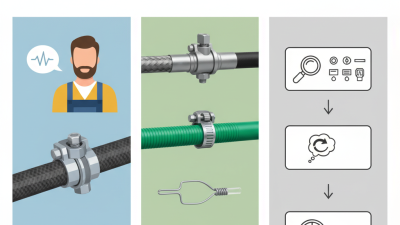
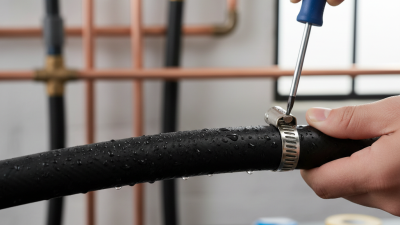
When installing German type hose clamps, attention to detail is crucial. Ensure the clamp is the right size for your hose. A loose fit can lead to leaks, while an overly tight clamp may damage the hose. Start by thoroughly cleaning the hose surface. This minimizes debris that can affect the clamp's grip.
Installation requires precision. Position the clamp evenly around the hose. Use a torque wrench to apply the right amount of pressure. Over-tightening can strip the threads and weaken the connection. Before finalizing the installation, check for any signs of slippage or movement. Regular inspections can reveal potential issues down the line.
Consider the environment where the hose clamp will be used. Extreme temperatures or exposure to harsh chemicals can affect performance. Pay attention to the material and style of the clamp. Not all clamps are suitable for every situation. Addressing these factors can significantly enhance reliability and performance over time.
Top Tips for Choosing German Type Hose Clamps for Your Projects
| Tip |
Details |
| Material Selection |
Choose high-quality materials like stainless steel for durability and corrosion resistance. |
| Size Compatibility |
Ensure the hose clamp is compatible with the diameter of the hoses you are using in your project. |
| Ease of Installation |
Select clamps that are easy to install and can be tightened with common tools. |
| Adjustment Mechanism |
Opt for hose clamps with a dependable adjustment mechanism to ensure a secure fit. |
| Pressure Rating |
Check the pressure rating of the clamps to ensure they can withstand the operating conditions of your project. |
| Application Specificity |
Consider clamps designed for specific applications, such as automotive, industrial, or plumbing. |
| Aesthetic and Design |
Select hose clamps that match the aesthetic requirements of your project, if applicable. |