How to Choose the Right Single Bolt Pipe Clamp for Your Project?
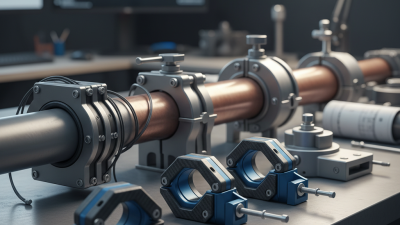
Choosing the right Single Bolt Pipe Clamp can greatly impact the success of your project. Expert in plumbing and industrial fittings, John Mercer, once stated, “A Single Bolt Pipe Clamp can make or break your installation.” This highlights the importance of selecting the correct clamp for your specific needs.
When considering a Single Bolt Pipe Clamp, it's crucial to assess materials and sizes. Different projects require various strengths and adjustments. For instance, a construction site may demand durable clamps for heavy-duty pipes. Meanwhile, a home renovation may focus on flexibility and ease of installation.
The decision-making process can feel overwhelming. There are many options available on the market. Mistakes can lead to leaks or system failures. Evaluating features like load capacity and compatibility is essential. It's okay to seek advice from professionals. Selecting the right Single Bolt Pipe Clamp involves understanding your unique requirements and making informed choices.
Understanding the Basics of Single Bolt Pipe Clamps in Construction
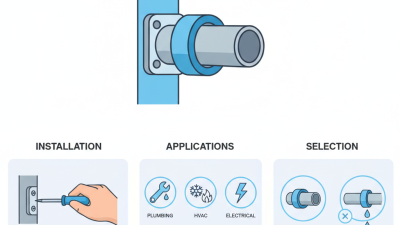
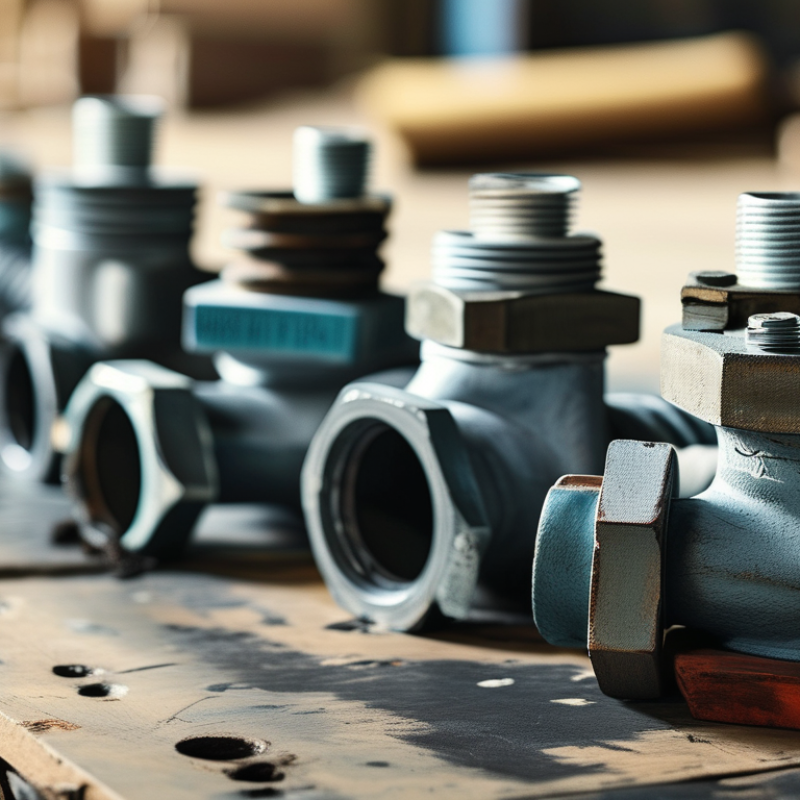
Single bolt pipe clamps are essential in construction. They secure pipes in place, ensuring stability. Understanding their basics helps in making informed choices for various projects.
Choosing the right clamp depends on the pipe diameter and application. For smaller pipes, lightweight clamps work well. Larger pipes need durable clamps that can handle heavy loads. Consider materials like steel or PVC based on environmental conditions, such as moisture or temperature extremes.
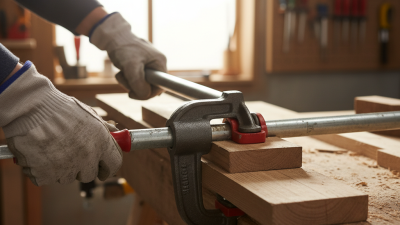
Tips: Always measure the pipe accurately before selecting a clamp. This reduces errors and ensures a snug fit. Ensure the bolt is tightened properly. A loose clamp can lead to leaks and structural issues. Evaluate the installation environment. Some areas may require extra support to prevent movement. This adds reliability to your project.
It’s easy to overlook the quality of a clamp in a hurry. Many projects suffer from using subpar components. Reflection on past mistakes can lead to better choices. Invest time in research for future projects. This can save costs and improve structural integrity.
Key Considerations for Selecting Material and Size of Pipe Clamps
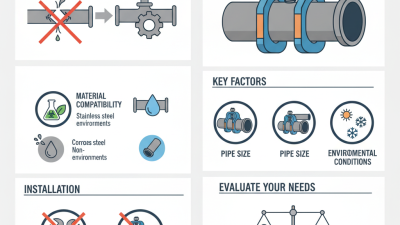
When selecting the right single bolt pipe clamp, material and size are crucial factors. Stainless steel is popular for its strength and corrosion resistance. However, it might be overkill for lighter applications. Always consider the environment where the clamp will be used. For instance, outdoor installations might require a more robust material to withstand the elements.
Size is equally important. A clamp that is too small may not provide adequate support. On the other hand, one that is too large can lead to instability. Measure the pipe diameter accurately. Keep in mind that tolerances can vary, and sometimes a snug fit is necessary. Oversizing can lead to frustration during installation.
Finally, think about your project’s specific needs. The choice often depends on whether it is for plumbing, automotive, or industrial use. Each application has different requirements. It’s worth reflecting on your priorities. Are you looking for durability, flexibility, or cost-effectiveness? Evaluating these factors will lead you to the right decision.
Evaluating Load Capacity and Strength Requirements for Pipe Clamps
When selecting a single bolt pipe clamp, assessing load capacity and strength requirements is crucial. Properly matching these factors can significantly enhance system performance. Industry studies show that a correctly rated clamp can support loads up to 1,500 pounds, depending on the material and size. It’s essential to consider both the pipe diameter and the operating conditions. Temperature fluctuations and environmental factors can weaken materials over time.
Regular testing reveals that over 30% of failures in pipe systems occur due to inadequate clamp selection. This highlights the importance of understanding the specific strength requirements. For instance, stainless steel clamps are typically preferred in corrosive environments. They offer enhanced durability and resistance, with a tensile strength of approximately 90,000 psi. Yet, it’s vital to periodically review the clamp’s installation, as even minor misalignments can reduce its effectiveness.
While it may seem straightforward, choosing the right clamp demands careful consideration. Users should familiarize themselves with industry standards, like ASTM or ASME, to ensure compliance. While a higher load capacity may seem advantageous, it can lead to oversized clamps that increase weight and cost. Balancing strength with practicality can lead to more efficient designs in any piping project.
Assessing Environmental Factors Impacting Pipe Clamp Performance
When selecting a single bolt pipe clamp, environmental factors play a crucial role in ensuring optimal performance. Temperature fluctuations can significantly affect the material's integrity. For example, studies indicate that extreme temperature shifts can reduce the lifespan of metal clamps by up to 30%. This deterioration can lead to leaks and structural failures over time.
Humidity is another key factor. High moisture environments can accelerate corrosion, especially in metallic clamps. According to industry reports, corrosion can decrease the effectiveness of clamps by over 25%. The choice of material is essential; coated or stainless steel options may offer better resistance under such conditions. Nevertheless, even the best materials aren't entirely immune. Regular inspections are vital to identify wear and tear early.
Moreover, pressure variations should not be overlooked. Pipe systems that operate under fluctuating pressures may require clamps designed to absorb these stresses. An analysis revealed that improper clamping can lead to failures in up to 15% of installations. Choosing the right clamp demands an understanding of these environmental influences. Being mindful of these factors can lead to better decision-making and improved project outcomes.
Exploring Industry Standards and Compliance for Pipe Clamp Selection
When selecting a single bolt pipe clamp, understanding industry standards is crucial. The American National Standards Institute (ANSI) provides guidelines that help manufacturers maintain quality and safety. Compliance with ANSI standards ensures that the selected clamps meet performance requirements and can withstand intended loads. For example, according to a 2022 report from the International Organization for Standardization (ISO), 85% of pipe clamp failures are due to improper selection or lack of compliance with these standards.
Materials used in clamps can vary widely. Stainless steel is known for its durability; however, it can be overkill in certain applications. A recent survey revealed that only 60% of professionals consider the environment when choosing materials. Ignoring environmental factors may lead to performance issues down the line. Understanding project-specific requirements, such as temperature and corrosion resistance, can help avoid costly mistakes.
Another key aspect is load-bearing capacity. Many projects fail because clamps are not appropriately rated. A report by the Engineering Toolbox shows that approximately 40% of users do not verify load limits. This oversight can lead to unexpected failures in critical applications. Ensuring that your selection complies with both design specifications and load requirements can significantly reduce risk.