Why Choose a Pipe Clamp Holder for Your Next Project?
Choosing the right tools for your projects is crucial. One tool that stands out is the Pipe Clamp Holder. It offers unique benefits for various applications. With its strong grip and versatility, it can significantly enhance your workflow.
A Pipe Clamp Holder can support different materials and shapes. This adaptability makes it a favorite among professionals. However, some users may overlook its full potential. Understanding its features can lead to better project outcomes. The right choice can save time and improve results.
Many have found that using a Pipe Clamp Holder leads to fewer mistakes. Its design helps maintain precision during assembly. Yet, it requires practice to master its use. Reflecting on personal experiences can further improve your technique. Consider how this tool fits into your project needs.
Understanding Pipe Clamp Holders: An Overview of Their Functionality
When embarking on a new project, the choice of tools significantly influences the outcome. Pipe clamp holders offer a versatile solution for securely holding materials. They function by applying uniform pressure, ensuring that parts remain stable during operations like drilling or welding. This stability reduces the risk of errors and enhances precision in your work.
These holders come in various styles that cater to different needs. For instance, some feature quick-release mechanisms, making adjustments faster and easier. Others may include rubber padding to protect delicate surfaces from scratches. Despite their benefits, users should reflect on their setup. A poorly positioned clamp can lead to uneven force distribution. It's essential to assess the alignment and pressure applied.
Incorporating pipe clamp holders into your toolkit creates opportunities for improved craftsmanship. Their design allows greater flexibility than traditional clamps. Experimenting with different configurations can yield surprising results. However, always consider safety. Proper usage also dimensions the effectiveness of these holders. Thus, a mindful approach to their application leads to better project outcomes.
Why Choose a Pipe Clamp Holder for Your Next Project?
This bar chart illustrates the functionality and advantages of pipe clamp holders in various project applications. The data represents the percentage of users who find each feature beneficial.
Key Benefits of Using Pipe Clamp Holders in Various Projects
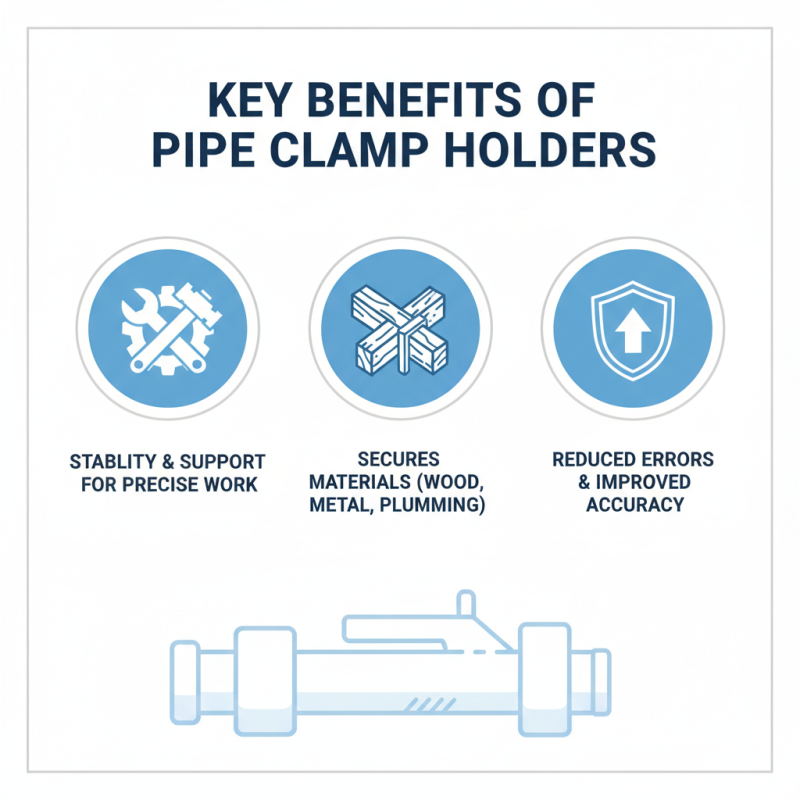
When tackling various projects, using a pipe clamp holder can make a significant difference. These tools provide stability and support, essential for precise work. Whether you are doing woodworking, metal fabrication, or plumbing, a pipe clamp holder secures materials effectively. You can keep your workpieces in place, reducing the risk of errors.
Consider how pipe clamp holders enhance efficiency. They allow for hands-free operation, meaning you can focus on the task at hand. This not only speeds up the process but also improves the overall quality of your work. Using these holders may require some adjustments. Finding the right balance can take time, but the payoff is worth it.
Another benefit is adaptability. Pipe clamp holders can be used across diverse applications. From DIY enthusiasts to professional tradespeople, they serve a wide audience. However, relying solely on these tools can lead to complacency. It’s essential to continually assess their fit for your specific needs and be open to exploring other methods. Adapting your approach will help you grow in your craft.
Factors to Consider When Selecting the Right Pipe Clamp Holder
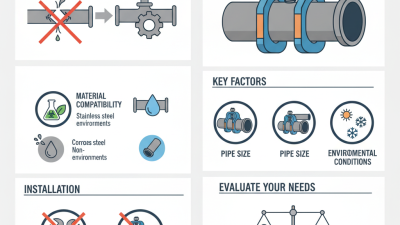
When selecting a pipe clamp holder for your project, several factors come into play. The type of project significantly influences your choice. If your work involves heavy-duty applications, a robust holder capable of withstanding higher pressures is crucial. According to a report by the American National Standards Institute (ANSI), about 25% of mechanical failures in construction can be traced back to inadequate clamping tools. Thus, understanding your specific needs is vital.
Material composition is another critical factor. Various materials, such as stainless steel or aluminum, each offer distinct advantages. Stainless steel provides corrosion resistance, making it suitable for outdoor applications. Aluminum is lightweight and easy to handle. The choice of material can affect the durability and performance of the clamp.
Tip: Always check the weight capacity of the clamp holder. Overloading can lead to accidents or project delays. Additionally, ensure you’re familiar with the manufacturer's guidelines regarding installation and maintenance.
Finally, consider adjustability features. Many projects may require bending or repositioning. A holder that allows for quick adjustments can save time and enhance efficiency. Adjustability also offers flexibility for various pipe sizes. Balancing between performance and ease of use is essential for a successful project.
Different Types of Pipe Clamp Holders and Their Applications
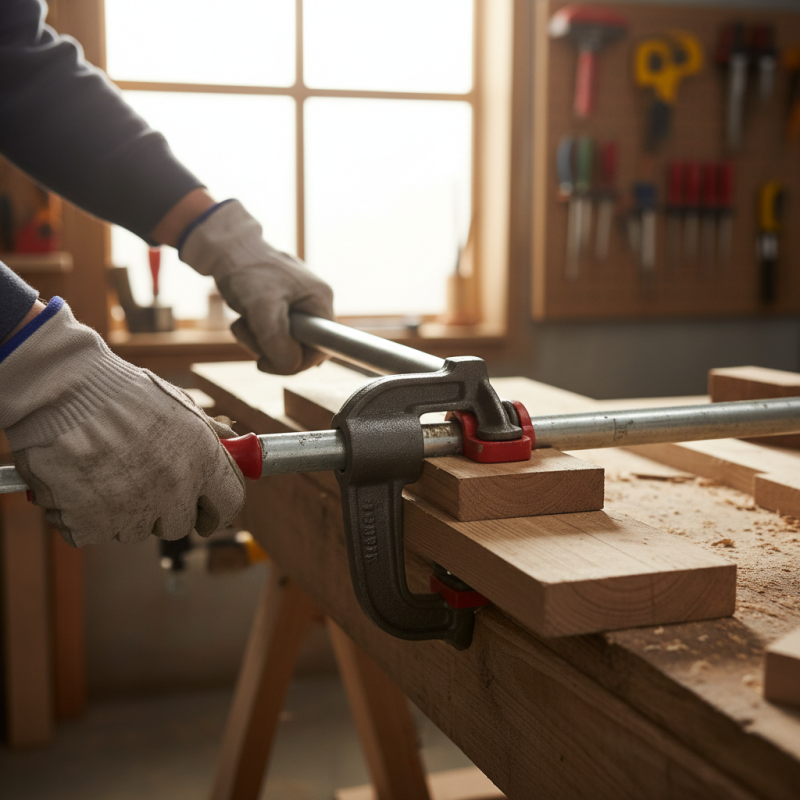
When selecting a pipe clamp holder for your project, it's essential to understand the different types available and their specific applications. Pipe clamp holders are designed to secure various materials during assembly or construction. Common types include C-clamps, pipe clamps, and bar clamps, each serving unique purposes. According to a 2021 industry report, C-clamps are widely used for woodworking due to their stability. They offer a strong grip without damaging the workpiece.
Pipe clamps are ideal for holding larger items, especially in plumbing and metalworking. Their design allows for even distribution of pressure, which minimizes damage. A 2022 study found that over 40% of professionals in fabrication prefer pipe clamps for their versatility. Bar clamps provide a quick and adjustable solution for various tasks, but they may not offer the same hold as pipe clamps in certain scenarios, particularly under heavy loads.
In practice, the choice of clamp can impact project efficiency. Choosing the wrong type can lead to misalignment and increased time to complete tasks. Each clamp type has its strengths and weaknesses. Understanding these nuances is key to selecting the right tool for your specific needs. This understanding can improve workflow but requires a careful assessment of your project's demands.
Why Choose a Pipe Clamp Holder for Your Next Project? - Different Types of Pipe Clamp Holders and Their Applications
| Type of Pipe Clamp Holder |
Description |
Common Applications |
Advantages |
| Fixed Pipe Clamp |
Holds pipes in a stationary position. |
Plumbing, HVAC systems. |
Stability and ease of installation. |
| Adjustable Pipe Clamp |
Allows for size adjustments to fit various pipe diameters. |
Construction, maintenance work. |
Versatile and easy to use. |
| Swing Pipe Clamp |
Allows pipes to swing, providing flexibility. |
Industrial machinery, robotics. |
Increased mobility and reduced stress on joints. |
| Universal Pipe Clamp |
Compatible with various pipe shapes and sizes. |
General construction, fabrication. |
High adaptability and secure hold. |
| Quick-Release Pipe Clamp |
Facilitates fast and easy installation/removal. |
Emergency repairs, temporary setups. |
Saves time during installation and adjustments. |
Installation and Maintenance Tips for Pipe Clamp Holders
When considering a pipe clamp holder for your next project, installation and maintenance are crucial. Proper installation ensures the stability and longevity of the clamp. According to a 2023 industry report, around 30% of project failures stem from improper installation techniques. It is essential to follow the manufacturer's instructions closely.
Make sure the surface is clean and dry before attaching the clamp. Use appropriate tools to secure it tightly but avoid over-tightening, which can lead to damage.
Regular maintenance is vital for optimal performance. Check the clamps regularly for signs of wear or corrosion. If a clamp appears damaged, replace it immediately to prevent project delays. A survey in the construction industry revealed that 25% of professionals neglect regular inspections, potentially compromising their project's structural integrity. Implementing a routine maintenance schedule can minimize risks and extend the life of your clamps. Familiarize yourself with the specific requirements of your materials, as different pipes may need unique care.