Top 10 Best British Hose Clamps for Global Sourcing Needs?
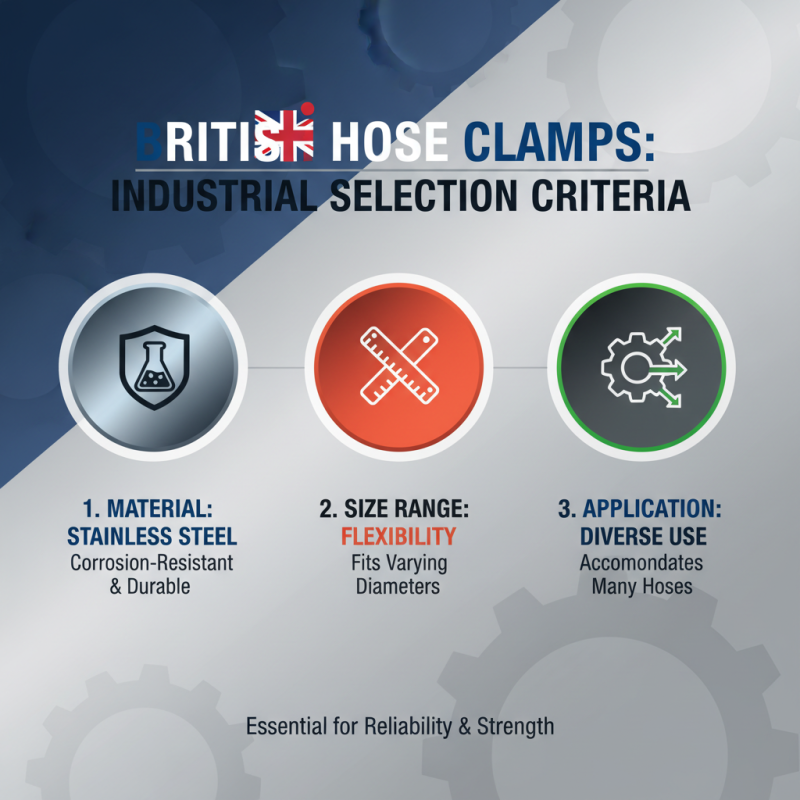
When it comes to securing hoses in various applications, British Hose Clamps stand out for their quality and reliability. The global hose clamp market is projected to reach $4 billion by 2026, driven by industrial growth and engineering needs. Among different types, British Hose Clamps are favored due to their precision-engineered design. According to a recent industry report, they offer superior performance in high-pressure environments, making them essential in sectors like automotive and manufacturing.
However, sourcing the best British Hose Clamps can be challenging. Different brands offer varying levels of quality and specifications. This inconsistency often leads to performance issues and safety concerns. For instance, improper clamp selection can result in leaks, system malfunctions, or even accidents. Hence, understanding the nuances of British Hose Clamps is crucial for effective global sourcing.
Choosing the right clamp requires not only knowledge but also practical insights from industry experts. Reports indicate that many businesses underestimate the importance of robust clamps, affecting operational efficiency. Therefore, identifying the top 10 best British Hose Clamps can empower businesses to make informed decisions. This will ensure the integrity and safety of their applications across the globe.
Overview of Hose Clamps and Their Importance in Global Sourcing
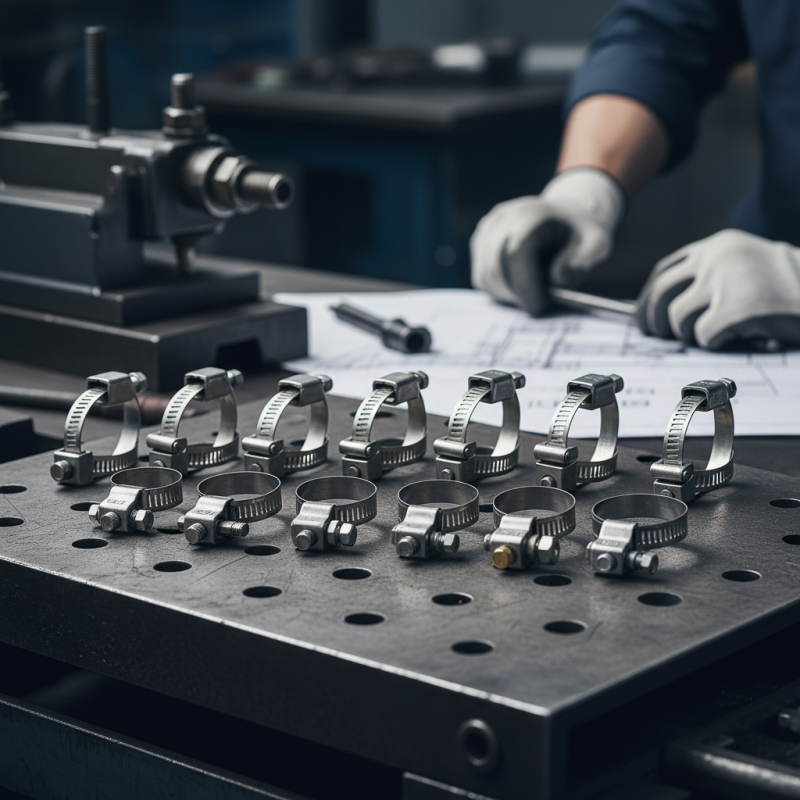
Hose clamps are essential components in various industries, assisting in the secure connection of hoses, pipes, and tubing. Their reliability ensures systems operate efficiently, reducing the risk of leaks and failures. According to market research from Mordor Intelligence, the global hose clamp market is expected to grow at a CAGR of 4.5% from 2021 to 2026. This growth reflects the increasing demand for robust and durable materials in manufacturing.
In global sourcing, understanding the types and standards of hose clamps is crucial. These clamps are made in various materials, including stainless steel, plastic, and rubber, each serving specific applications. The International Organization for Standardization (ISO) has established guidelines that enhance compatibility and performance. However, sourcing the right type can be challenging, considering the vast selection available. Misjudging specifications might lead to compatibility issues, causing downstream inefficiencies.
Moreover, the importance of quality cannot be overstated. Low-quality hose clamps can lead to catastrophic failures, resulting in costly downtime. Recent case studies highlight that improper installation and substandard materials account for significant repair costs in industrial settings. Manufacturers and suppliers must continuously evaluate their sourcing strategies, ensuring they balance cost-effectiveness with quality assurance to mitigate risks associated with inferior products.
Top 10 British Hose Clamps: Features and Specifications Comparison
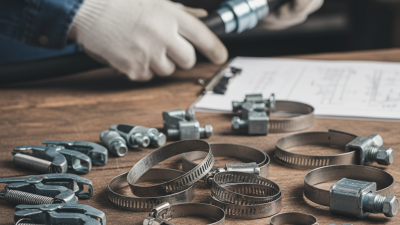
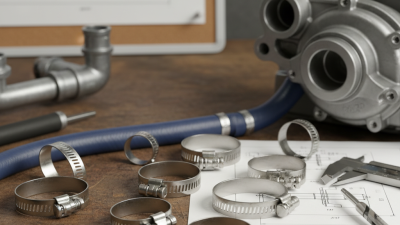
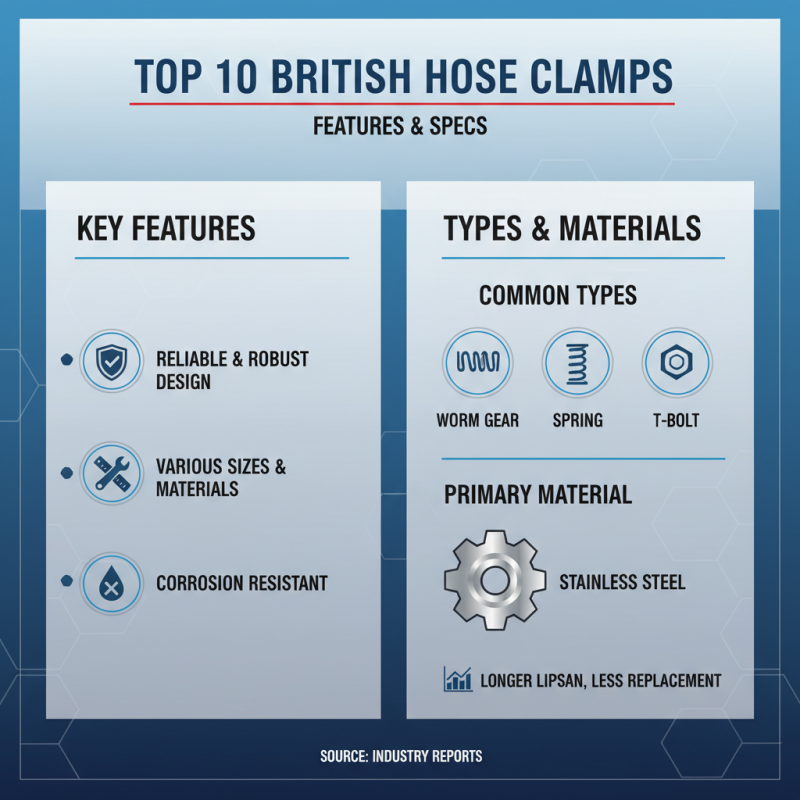
When sourcing hose clamps for various applications, understanding their specifications is essential. British hose clamps are known for their reliability and robust design. They come in various sizes and materials, catering to different needs. Most clamps are made from stainless steel, offering corrosion resistance and durability. The common options include worm gear, spring, and T-bolt clamps, each serving distinct purposes. According to industry reports, stainless steel clamps have a longer lifespan, reducing the frequency of replacements.
Tip: Always check the clamp's torque ratings. Proper torque ensures a secure fit, preventing leaks. Explore options with features like rounded edges to avoid damaging hoses. This is especially critical in high-pressure environments, where even minor leaks can lead to significant failures.
Another aspect to consider is the clamp's compatibility with different hose types. Some clamps are designed specifically for rubber hoses, while others are better suited for softer materials. Reports indicate that mismatched clamps can lead to hose failure. Assessing the specifications against your needs can save time and costs in maintenance.
Tip: Be vigilant about the manufacturing standards of the hose clamps. Quality varies widely, and low-cost options may not meet safety regulations. Regular audits of supplier credentials can help maintain quality in sourcing decisions. Always prioritize reliability over cost to ensure long-term performance.
Applications of British Hose Clamps in Various Industries
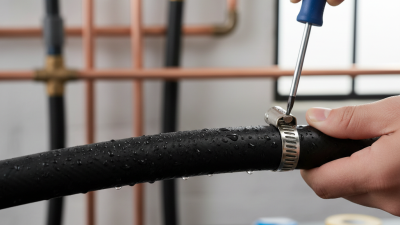
British hose clamps play a vital role across various industries. These clamps secure hoses and pipes in automotive, plumbing, and agriculture sectors. Their reliability and durability ensure that fluid transport remains efficient. In automotive applications, hose clamps maintain the integrity of fuel and coolant systems. They prevent leaks and ensure optimal performance of vehicles.
Tips for selecting the right hose clamp include assessing the application's specific needs. Consider materials that withstand environmental factors. Stainless steel clamps offer excellent corrosion resistance. In contrast, plastic clamps can be suitable for low-pressure applications. Always check the size to ensure a proper fit, as an ill-fitting clamp can lead to problems.
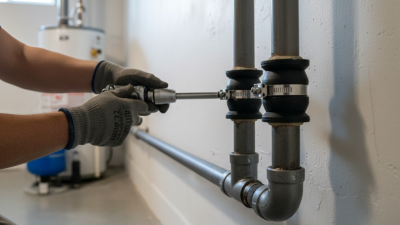
In plumbing, hose clamps provide crucial support. They secure connections in both residential and commercial plumbing systems. A faulty clamp can lead to leaks, causing water damage. Regular inspections are essential to identify wear or corrosion. While hose clamps are generally reliable, choosing the wrong type can lead to inefficiency and failure. Understanding the application helps in making informed decisions.
Top 10 Best British Hose Clamps for Global Sourcing Needs
| Application |
Material |
Size Range (mm) |
Temperature Range (°C) |
Pressure Rating (psi) |
| Automotive |
Stainless Steel |
10 - 50 |
-40 to 150 |
150 |
| Construction |
Zinc Plated Steel |
20 - 100 |
-20 to 120 |
200 |
| Marine |
Marine Grade Stainless Steel |
15 - 75 |
-30 to 180 |
100 |
| Food & Beverage |
Hygienic Stainless Steel |
25 - 80 |
-10 to 120 |
150 |
| Oil & Gas |
Carbon Steel |
30 - 90 |
-40 to 200 |
300 |
| HVAC |
Aluminum |
10 - 60 |
-10 to 100 |
100 |
| Electronics |
Plastic |
5 - 20 |
-20 to 80 |
50 |
| Agriculture |
Galvanized Steel |
10 - 40 |
-30 to 120 |
150 |
| Pharmaceutical |
316 Stainless Steel |
20 - 60 |
-20 to 140 |
200 |
| Chemical Processing |
Polypropylene |
15 - 50 |
-10 to 90 |
80 |
Supplier Recommendations for Sourcing British Hose Clamps Globally
When sourcing British hose clamps, selecting the right suppliers is crucial. Quality and reliability define the European market. According to industry reports, the global hose clamp market is projected to reach $3.9 billion by 2027. Factors driving this growth include increasing automotive production and rising demand from the plumbing sector.
Tips for sourcing: Evaluate suppliers based on their certifications and industry standards. Quality assurance should be a priority. Look for suppliers with a proven track record. Check online reviews and case studies. These insights can provide valuable data on supplier reliability.
Consistent communication with potential suppliers helps mitigate risks. Some suppliers may not meet expectations despite initial promises. Establish clear terms and assess production capabilities. This process can reveal gaps in quality control. Adapting sourcing strategies based on market trends can improve outcomes. The dynamic nature of global supply chains makes adjustments essential.
Building strong relationships with suppliers fosters trust. It encourages transparency in the sourcing process. Suppliers that demonstrate commitment to quality are invaluable. Balancing cost and quality can be challenging but necessary for success.