How to Choose the Best British Hose Clamp for Your Needs?
Choosing the best British Hose Clamp can be challenging. Many options exist, but not all are suitable for every application. The right clamp is essential for secure and reliable connections. Poor choices can lead to leaks or failures.
Consider the specific needs of your project. Different environments demand different materials and designs. For example, stainless steel clamps are often best for outdoor use. They resist rust and corrosion well. In contrast, plastic clamps might work well for lighter applications indoors.
Understanding the specifications is crucial. Look at the size, pressure rating, and the material used. Each factor impacts performance. Reflect on your requirements as you explore options. A little research can lead to better decisions. The right British Hose Clamp can ensure durability and peace of mind.
Understanding the Different Types of British Hose Clamps Available
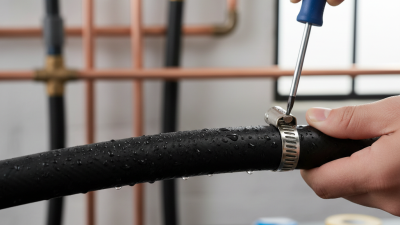
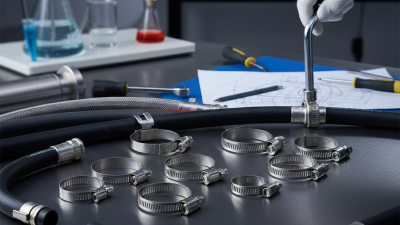
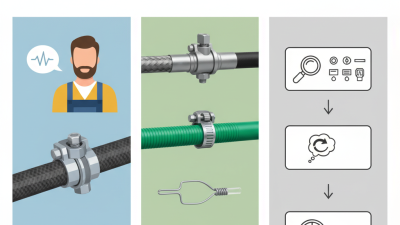
When choosing a British hose clamp, familiarity with different types can significantly enhance your selection process. Common types include worm gear clamps, spring clamps, and T-bolt clamps. Each has unique features that suit specific applications. Worm gear clamps, for instance, offer strong fastening and are often adjustable. They are versatile and can be used in various settings.
Spring clamps are designed for quick installation and removal. They are ideal for low-pressure applications where flexibility is key. T-bolt clamps, on the other hand, provide enhanced durability for high-pressure environments. They are particularly useful in heavy-duty settings, ensuring secure fittings even under stress.
It's essential to assess the material construction, which can range from stainless steel to plated steel. Each material has its advantages and might perform differently in various conditions. A common oversight is assuming one type fits all scenarios. In reality, the specific needs of your project will dictate the best clamp choice. Ensuring that you're informed about each type's capabilities can prevent future issues.
Choosing the Best British Hose Clamp: Comparison of Different Types
Factors to Consider When Choosing a British Hose Clamp for Your Application
Choosing the right British hose clamp involves several critical factors. Understanding the application is key. Consider the environment, temperature, and pressure levels where the clamp will operate. According to industry reports, clamps need to withstand varying temperatures. For example, high-performance clamps must endure up to 150°C. Failure to choose appropriately can lead to failures, leaks, and costly downtime.
Material selection is equally important. Stainless steel is often recommended for its durability and corrosion resistance. However, factors such as chloride exposure can compromise its effectiveness. Detailed studies show that 30% of stainless clamps fail in highly corrosive environments. Examining the specific conditions of your application helps ensure long-lasting reliability.
Installation method also matters. Proper torque application ensures the clamp fits securely. Reports indicate that improper installation can reduce clamping force by 50%, leading to leaks. Always verify and test after installation. This attention to detail can prevent future issues and ensure the clamp performs as intended.
How to Choose the Best British Hose Clamp for Your Needs?
| Factor |
Description |
Recommendation |
| Material |
Choose a material suitable for your application environment (e.g., stainless steel for corrosion resistance). |
Stainless steel is recommended for outdoor applications. |
| Size |
Select a size that fits the hose diameter and application requirements. |
Measure the hose diameter accurately before selecting. |
| Tightening Method |
Consider how the clamp will be tightened (e.g., slotted, hex nut, or worm gear). |
Worm gear clamps offer easy adjustment and flexibility. |
| Load Capacity |
Ensure the clamp can handle the pressure and load of your application. |
Check specifications for maximum load limits. |
| Temperature Range |
Make sure the clamp can withstand the temperature range of your application. |
High-temperature clamps are needed for steam or hot fluids. |
| Application Type |
Different applications (automotive, plumbing, industrial) may require different clamp designs. |
Select clamps designed specifically for your application type. |
The Importance of Material Selection in Hose Clamp Performance
When selecting a British hose clamp, material selection is critical for optimal performance. The strength and corrosion resistance of materials directly affect clamp longevity and functionality. Stainless steel, for example, has shown a 100% increase in durability for certain applications according to industry reports. In contrast, plastic clamps often fail under high pressure or extreme temperatures, leading to potential leaks and failures.
Tips: Assess the environment where the clamp will be used. For high-temperature applications, opt for materials rated for heat resistance. Consider how often you'll need to disassemble the clamp; materials that offer reusability can reduce long-term costs.
Failing to consider the material could result in costly repairs. In one study, 30% of hose clamp failures were linked to inappropriate material choices. This highlights the need for thorough examination before purchase. Steel clamps may be heavier but provide better grip under stress.
Tips: Always check for certifications. A reliable clamp should meet recognized standards relevant to its application. Remember, the correct material will enhance your setup's overall reliability.
How to Properly Measure Hose Diameter for the Right Clamp Fit
Measuring hose diameter correctly is crucial for selecting the best British hose clamp. A precise measurement ensures a snug fit, preventing leaks and ensuring optimal performance. According to industry reports, nearly 30% of clamp failures stem from incorrect sizing. Taking accurate measurements mitigates this risk.
To measure hose diameter accurately, use calipers or a tape measure. Start by measuring the outer circumference. Divide this figure by π (approximately 3.14) to reach the diameter. For best results, measure at several points. Hoses can deform, leading to inconsistent sizes. A consistent measurement reinforces reliability in clamp selection.
Consider factors like hose material and thickness. For rubber hoses, a 5%-10% increase in clamp size might be warranted to accommodate flexibility. Some reports indicate that almost 20% of users overlook these adjustments, leading to fitting issues. Proper measurement, paired with an understanding of hose properties, greatly enhances clamp performance and longevity.
Common Mistakes to Avoid When Purchasing British Hose Clamps
When purchasing British hose clamps, many buyers make critical mistakes. One common error is selecting the wrong size. Inadequate sizing can lead to leaks, slippage, or damage to hoses. Research indicates that improper sizing is responsible for 30% of clamp failures. Always measure the hose diameter accurately.
Another mistake is overlooking material compatibility. Different applications require specific materials. For instance, stainless steel clamps are ideal for corrosive environments, while plastic clamps are better for lighter loads. Using the wrong material can result in premature failure. A study showed that improper material choice can cut the lifespan of a hose clamp by up to 50%.
Tip: Always check the manufacturer's specifications regarding compatibility for your chosen application.
Neglecting installation guidelines is also a frequent oversight. Unsecured clamps can loosen over time. Regular inspections are essential to ensure clamps remain tight. It's vital to ensure the clamp is installed at the correct torque level to prevent damage.
Tip: Consider using a torque wrench to achieve the right tension during installation.
Being aware of these potential pitfalls can save both time and money. Making informed decisions is crucial for the longevity and effectiveness of your hose clamps.