No Hub Fittings are small components with major consequences. They join cast-iron soil pipes, manage drainage flow, and help prevent costly leaks behind walls and ceilings. Global buyers therefore need more than a supplier list. They need evidence.
Grand View Research’s plumbing fixtures market analysis points to continued global expansion through 2030. Dodge Construction Network’s 2024 Construction Outlook also highlights sustained infrastructure and nonresidential construction activity. These trends support demand for dependable drainage components, including No Hub Fittings. However, market growth does not guarantee product quality. That distinction matters.
Manufacturing-quality expert W. Edwards Deming offered a useful warning: “Quality comes not from inspection, but from the improvement of the production process.” His principle applies directly to fittings. A polished product can still hide weak rubber compounds, inconsistent dimensions, or poor packaging. Buyers should examine ASTM C1277 compliance, CISPI 301 references, coupling performance, material traceability, and factory quality systems. Regional requirements may differ.
This guide compares ten leading No Hub Fittings manufacturers for global buyers. It considers product range, standards, testing practices, production capacity, export experience, and technical support. Supplier reputation also matters. So does delivery consistency.
No ranking is perfect.
Some manufacturers publish limited technical data. Others rely heavily on distributor feedback. That gap deserves attention. Procurement teams should verify certificates, request current test reports, and inspect samples before large orders. The strongest choice is not always the cheapest one. It is the manufacturer that performs reliably when the pipe is concealed, the building is occupied, and access becomes expensive.
No-hub drainage systems join cast-iron pipe and fittings without enlarged bells. A typical joint uses an elastomeric gasket, a metal shield, and tightening bands. The gasket seals the connection; the shield helps support it. Small details matter, including band placement and even tightening.
ASTM A888 covers hubless cast-iron soil pipe and fittings in nominal sizes from 1½ to 15 inches. That range gives designers options, from compact branches to larger drainage runs. Nominal size is not a direct measurement of every outside diameter, though. Buyers should check the applicable standard edition, product dimensions, and project specifications before ordering. A catalog size alone is not enough.
For global purchasing, confirm that each fitting matches the intended pipe size and connection method. Couplings may be governed by separate requirements, so verify their specifications independently. Ask for dimensional records and material documentation, then inspect sample castings for smooth joint surfaces and visible defects. Keep installation conditions in mind, too: access for a wrench can be tight behind a wall. Even careful planning can miss that.
ASTM C1277 sets performance requirements for shielded couplings used to join hubless cast-iron soil pipe and fittings. For buyers, a product description alone is not proof of compliance. Request test documentation that identifies the coupling model, size range, and applicable standard edition. Then check that the supplied parts match the documented assembly.
A product description alone is not proof of compliance.
Compare practical details, too. Look at the stainless-steel shield and clamp arrangement, gasket material, stated pipe compatibility, and installation instructions. Clear torque guidance helps installers avoid guesswork with a wrench in a cramped service space. Small details matter. A coupling that meets a standard may still be unsuitable for a particular pipe combination or site condition.
Small details matter.
Reliable manufacturers should make technical records easy to review and answer questions about testing and traceability. Check whether reports come from a qualified testing process, and confirm that product markings and packaging agree with the documents. A comparison table can miss things; I have seen specifications look similar while installation details differ. That is worth checking twice. ASTM C1277 is a useful baseline, not a substitute for verifying project requirements and local plumbing provisions.
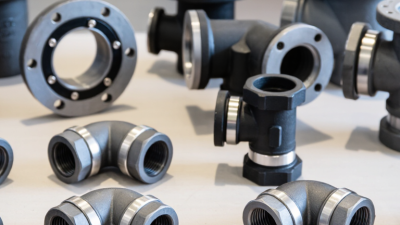
No-hub fittings connect cast-iron drainage pipe without a hub, using shielded couplings that tighten around the joint. Common products include bends, tees, wyes, reducers, and cleanouts. Buyers comparing manufacturers should check dimensions, material traceability, gasket details, and whether fittings match the project’s pipe and coupling specifications. Small differences matter. A coupling that looks right may still fail a fit check.
The market is tied to building activity, though construction spending is not a direct measure of fitting demand. The U.S. Census Bureau reported total U.S. construction spending of about $1.98 trillion in 2023, across public and private work. For product verification, buyers can review applicable standards such as ASTM A888 for hubless cast-iron soil pipe and fittings, and CISPI 301; coupling requirements may involve ASTM C1277 or C1540, depending on the application. Request current test reports and certification scope, not just a logo on a brochure. Check that documents identify the exact product line and size range. Certification names can be confusing, and that deserves a closer look. Local code acceptance and installation requirements still need confirmation.
The chart compares published nominal size ranges used in widely referenced no-hub and cast-iron drainage standards. Inch-based standards are shown in inches, while EN 877 is shown in DN millimetres; the ranges are therefore intended as market-reference indicators rather than a direct performance ranking. Buyers should verify the applicable edition, product scope, pressure requirements, and local approval rules before specification.
Reference basis: ASTM A888, ASTM C1277, CISPI 301, and EN 877 published scope and size designations.
Top 10 No Hub Fittings Manufacturers for Global Buyers?
A useful supplier comparison starts with evidence, not a polished catalog. Check the stated material grade against a mill test certificate or equivalent traceable documentation. For cast-iron fittings, confirm the grade and coating requirements match the project specification. A familiar label is not enough. Ask how batches are identified and whether records follow each shipment.
Dimensional tolerances matter during installation. Request drawings showing key dimensions, including hub depth, fitting angle, and connection diameter. Compare these with the applicable project standard, then check sample inspection reports for actual measurements. Testing claims should name the method, acceptance criteria, and sampling frequency. Pressure or leakage results without those details are hard to evaluate. Warranty terms also deserve close reading: confirm the coverage period, exclusions, claim process, and required proof of purchase. Small print can change the practical value.
Tips: Ask shortlisted suppliers for one anonymized inspection report, a material certificate, and written warranty terms. Keep the documents together. That simple step makes comparisons clearer. Still, paperwork cannot replace checking delivered goods; occasional variation happens, and buyers should plan for incoming inspection. A supplier that answers technical questions plainly may be more dependable than one offering broad promises.
Evidence-first comparison template: Supplier identities and supplier-specific claims are intentionally omitted. The entries below are anonymous evaluation slots, not verified manufacturer rankings. No supplier-specific material grade, tolerance, test result, or warranty is asserted; request the listed documents and verify that they apply to the exact product, factory, and destination market.
| Anonymous supplier slot | Product scope to confirm | Material grade evidence to request | Dimensional tolerance evidence to request | Testing and inspection evidence to request | Warranty evidence to request | Relevant standards to check | Evidence status |
|---|---|---|---|---|---|---|---|
| Supplier 01 | Cast-iron no-hub soil pipe fittings; confirm sizes, pattern range, and market. | Mill or foundry certificate identifying the cast-iron specification, grade/class where applicable, and heat or batch traceability. | Current drawing and inspection report showing measured dimensions against the declared product standard. | Product-specific inspection and test reports; confirm sample identification, date, method, and acceptance criteria. | Signed warranty stating duration, covered defects, exclusions, claim process, and responsible legal entity. | ASTM A888 or CISPI 301, where applicable to the product and market. | Not verified — request documents. |
| Supplier 02 | Cast-iron no-hub fittings; confirm whether couplings are included or supplied separately. | Material specification and batch-linked certificate; confirm the certificate covers fittings, not only pipe or coupling components. | Dimensioned product drawings plus a recent dimensional inspection report for the offered sizes. | Factory quality-control plan and reports for the actual fitting range; clarify any third-party testing. | Written terms covering product replacement or remedy, freight responsibility, and claim deadlines. | ASTM A888 or CISPI 301 for applicable fittings; check the exact edition and scope. | Not verified — request documents. |
| Supplier 03 | No-hub fittings for drainage applications; confirm configuration, nominal sizes, and intended service. | Declared grade or material designation supported by a certificate of analysis or inspection certificate. | Standard-specific tolerances and recorded measurements for critical dimensions, including connection ends. | Traceable inspection records and any required performance-test reports for the destination code or project specification. | Warranty document naming the covered product family and stating whether installation conditions affect coverage. | ASTM A888 / CISPI 301 may apply to hubless cast-iron soil pipe and fittings; verify product scope. | Not verified — request documents. |
| Supplier 04 | Cast-iron no-hub fittings; confirm whether the offer includes bends, branches, reducers, and cleanouts. | Foundry certificate with material designation, production lot, and traceability to shipped goods. | Controlled drawings and inspection results; ask how measurement equipment is calibrated and records retained. | Inspection and test plan, acceptance criteria, and lot-specific reports for the quoted products. | Warranty terms in the purchase contract, including exclusions for corrosion, misuse, and non-compliant installation. | Check ASTM A888 or CISPI 301 where applicable; do not assume one standard covers every fitting or accessory. | Not verified — request documents. |
| Supplier 05 | No-hub fittings and optional joining components; identify each component and manufacturer in the offer. | Separate material and compliance records for cast-iron fittings, elastomeric gaskets, and stainless-steel bands, as applicable. | Dimensional reports for fittings; for couplings, request the applicable product specification and component details. | For couplings, check reports against the applicable coupling specification; verify test setup and product identification. | Clarify whether the warranty covers fittings only or also separately sourced coupling assemblies and gaskets. | ASTM C1277 and CISPI 310 address shielded couplings for hubless cast-iron soil pipe and fittings; applicability depends on the coupling. | Not verified — request documents. |
| Supplier 06 | Cast-iron no-hub fittings for export; confirm packaging, marking, and destination-market requirements. | Material certificate with batch traceability and a clear link between the certificate, product marking, and shipping documents. | Inspection report using stated units and acceptance limits; confirm the drawing revision matches the supplied goods. | Test reports from a competent laboratory where required; confirm the tested model and size range match the order. | Obtain the complete warranty in the sales contract and confirm the claims contact and governing terms. | ASTM A888 or CISPI 301 may be relevant in North American applications; confirm local plumbing-code requirements. | Not verified — request documents. |
| Supplier 07 | Fittings offered to a named national or project specification; record the exact specification in the purchase order. | Certificate identifying the claimed material specification and the issuing facility; check consistency with product markings. | Approved drawings and a first-article or lot-inspection report for the sizes and patterns being purchased. | Compliance evidence tied to the stated specification; distinguish routine factory checks from independent certification. | Written warranty with a defined start date, remedy, exclusions, and any required installation or storage conditions. | Use the standard specified by the project or local authority; ASTM A888 and CISPI 301 are not universal global requirements. | Not verified — request documents. |
| Supplier 08 | Cast-iron drainage fittings; confirm whether the product is hubless and compatible with the specified joining system. | Material identification and traceability records for the precise fitting series, not a generic company certificate. | Product drawings and measured reports for connection geometry and other project-critical dimensions. | Test evidence for the specified assembly and application; confirm whether tests cover fittings, couplings, or both. | Warranty coverage and exclusions stated separately for fitting bodies and any supplied joining components. | ASTM C564 covers rubber gaskets for cast-iron soil pipe and fittings; use only when that component and application are relevant. | Not verified — request documents. |
| Supplier 09 | Fittings for a defined project or distributor program; confirm catalog range and approved substitutions. | Batch-level material records plus a written declaration of the specification used for each product family. | Sampling frequency, inspection method, and tolerance limits documented against the applicable standard or approved drawing. | Nonconformance and corrective-action records may support review; request product-specific test and inspection evidence as well. | Confirm whether warranty claims require prior approval, site inspection, or return of the product. | Check the current adopted edition of the applicable product standard and any local code or project addenda. | Not verified — request documents. |
| Supplier 10 | Any proposed no-hub fitting range; verify exact product designation, size, pattern, and country of manufacture. | Material certificate, traceability method, and written confirmation that supplied batches conform to the approved specification. | Approved dimensional drawings and shipment- or lot-specific inspection records with clear pass/fail criteria. | Test reports with laboratory or factory identity, test date, method, sample details, and results. | Executed warranty with product scope, duration, remedy, exclusions, and enforceable seller details. | Select standards by product and jurisdiction; verify current editions directly with the relevant standards body or project authority. | Not verified — request documents. |

Global buyers comparing no hub fittings manufacturers should look beyond catalog dimensions. Ask which standards each fitting and coupling is tested against, such as ASTM A888 or applicable regional requirements. Request current test reports and material traceability, not just a compliance statement. Check that clamp bands, gaskets, and pipe dimensions match the intended system. Small mismatches can cause delays on site.
Lead times need a practical check. Ask for production and shipping estimates separately, then confirm whether quoted stock is finished goods or raw castings. A sample schedule for a mixed order can reveal bottlenecks. Get the minimum order quantity by size and finish in writing. It may differ from the headline MOQ. One detail is easy to miss: packaging. Confirm how fittings are protected against moisture, impact, and movement during container transit.
Export coverage means more than a list of destinations. Verify experience with the destination’s documentation, labeling, and customs requirements, and ask who prepares each document. Request references for comparable shipments where available. Buyers should also clarify how damaged goods or quality claims are handled across borders. A clear answer matters. Some supplier information may be incomplete, so record assumptions and confirm them before issuing a purchase order.