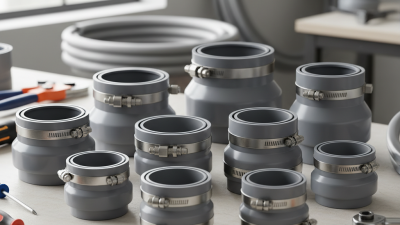
A No Hub Coupling is a compact connector used to join hubless cast iron soil pipe and fittings. It relies on an elastomeric gasket, stainless steel shield, and tightening bands. The gasket seals the joint. The shield supports alignment and resists external movement. It does not create a threaded connection.
That distinction matters in commercial plumbing. Pipes often run above ceilings, inside service shafts, or beneath concrete floors. A properly installed coupling can provide a clean joint where space is limited. ASTM C1277 and CISPI 310 define important performance and installation requirements for shielded couplings. These standards address sealing, load resistance, and connection reliability. Manufacturer instructions still control the actual installation.
Infrastructure demand makes dependable joints more important. The U.S. Environmental Protection Agency’s 2023 Drinking Water Needs Survey estimated $625 billion in drinking water infrastructure needs over 20 years. The American Society of Civil Engineers gave U.S. infrastructure an overall C grade in its 2021 report. These figures do not measure No Hub Coupling sales directly. They show the scale of repair and replacement work surrounding plumbing systems.
A practical installation begins with clean pipe ends, correct insertion depth, and even band tightening. A torque wrench is often necessary. Uneven tightening can distort the gasket. That small mistake may become a hidden leak.
No Hub Coupling is not a universal answer. It may be unsuitable where movement, pressure, or local code requirements exceed its rated application. Engineers and installers should verify pipe compatibility, coupling classification, torque values, and inspection requirements. Field experience helps, but documented standards deserve the final word.
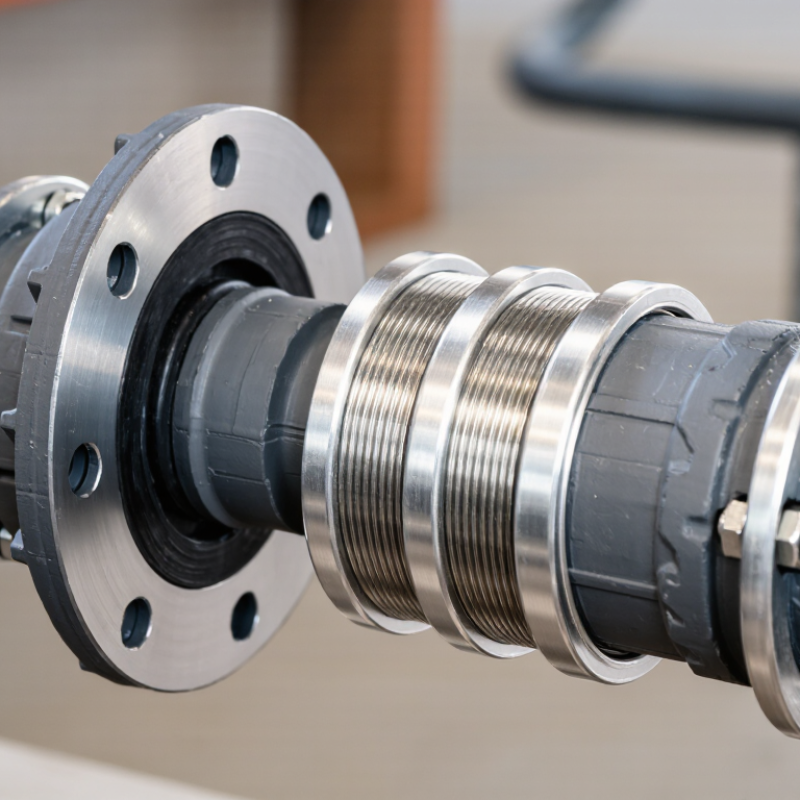
A no hub coupling is a mechanical connector for joining hubless drainage pipe and fittings. It has a flexible elastomeric sleeve, a stainless-steel shield, and tightening clamps. The sleeve seals the joint, while the shield spreads pressure around the pipe. There is no bell-shaped hub and no solvent or lead-based jointing material.
Its basic purpose is simple: create a watertight, stable connection in limited spaces. Installers slide the sleeve over one pipe, insert the second pipe, and center the shield across the joint. The clamps are then tightened evenly with a calibrated torque wrench. ASTM C1277 and CISPI 310 address shielded couplings for hubless cast iron soil pipe, including nominal sizes from 1½ to 15 inches. These standards focus on sealing performance, assembly strength, and resistance to separation.
Field conditions still matter. A coupling cannot correct a cracked pipe, damaged gasket, or badly misaligned joint. The pipe ends should be clean and square. Even a small offset can create uneven compression. Over-tightening is another common mistake; more force does not always mean a better seal. Technical guidance from the Cast Iron Soil Pipe Institute emphasizes following the specified installation torque for reliable performance. That detail is easy to ignore. It should not be. A careful installer also checks the joint after nearby pipes are supported, because movement can change the seal.
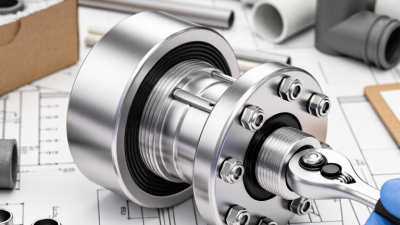
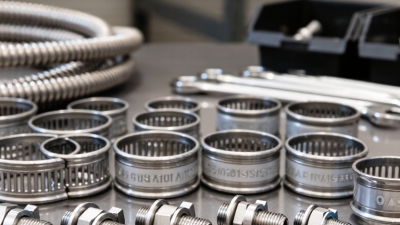
A no hub coupling joins two cast iron soil pipe sections without flanged hubs. Its construction has three working layers: a precision-molded gasket, a stainless-steel shield, and tightening clamps. The gasket usually uses elastomeric rubber, such as neoprene or EPDM. It sits inside the sleeve and creates the water seal. The shield spreads pressure around the joint. The clamps apply compression evenly.
Material selection affects performance. Stainless steel resists corrosion in damp service spaces, while EPDM tolerates heat, moisture, and many common drainage conditions. However, chemical resistance is not universal. Aggressive solvents can damage some elastomers. That detail is often overlooked.
ASTM C1277 and CISPI 310 installation guidance commonly specify shielded couplings for hubless cast iron systems. Their requirements emphasize gasket fit, shield coverage, and controlled clamp tightening. Some heavy-duty assemblies use four or more clamps, while smaller couplings may use two. Exact requirements depend on diameter and service conditions. The 2023 ASPE Plumbing Engineering Design Handbook also stresses correct pipe alignment before tightening. A torque wrench matters here. Hand-tightened clamps can leave uneven compression and hidden leaks.
Field experience shows another weakness: installers may reuse distorted gaskets or mix incompatible materials. That saves minutes, but it reduces reliability. A coupling is simple, not careless. Its performance depends on clean pipe ends, full gasket contact, and verified torque.
A no hub coupling joins two plain-end pipes without threads, welding, or a hub. Its rubber gasket fits around both pipe ends. A metal shield and clamp assembly then surround the gasket. As the clamps tighten, the shield compresses the gasket evenly. This pressure forms a watertight seal and helps stabilize the joint. The connection works through compression, not adhesive or heat.
In practical installation, pipe alignment matters as much as clamp pressure. I check that both ends are clean, square, and inserted to the required depth. Dirt, burrs, or uneven insertion can create a weak sealing path. The clamps should be tightened gradually and evenly, using the specified torque. Excessive force may damage the gasket or distort the shield. Too little force can allow seepage or movement. I have seen installers focus on tightening, while overlooking pipe support. That is an easy mistake. A coupling can seal correctly but still shift when unsupported pipes expand, settle, or vibrate.
Tips: Clean every contact surface. Keep the pipe ends aligned. Check the gasket for twists. Tighten in stages, not all at once. Use a torque wrench when required. After installation, inspect the joint and test the line under normal conditions. A second inspection is worthwhile. Small errors are often easier to find before the system is closed or covered.
What Is a No Hub Coupling and How Does It Work?
A no hub coupling connects two hubless drainage pipes with a rubber gasket and a metal shield. The gasket seals the joint, while the shield maintains even pressure around the pipe. It is common in sanitary drainage, waste, vent, and stormwater systems. These couplings suit gravity-flow plumbing, not pressurized water lines. They are useful when replacing a damaged pipe section or joining pipes with matching outside diameters. In crowded service areas, their compact profile can save valuable space. However, pipe material, diameter, and local plumbing requirements must match the selected coupling.
Installation conditions matter more than many people expect. Pipe ends should be cut square, clean, and free from burrs, rust, or sharp edges. The gasket must sit evenly between both pipe ends. Then, position the shield centrally and tighten each screw gradually in sequence. A torque-controlled tool helps achieve the required compression. Poor alignment may cause stress, movement, or leakage. I still recheck the joint after nearby pipes are supported; a perfect seal can fail if the assembly shifts later.
Tips: Support long pipe runs before tightening the coupling. Check that the pipe surfaces are dry and undamaged. Never force mismatched diameters together. Leave enough access for inspection and future repair. Follow the coupling instructions and applicable local codes, because installation details can vary. A quick visual check is not enough; verify alignment, shield position, and fastener tightness before closing the wall or ceiling.
What Is a No Hub Coupling and How Does It Work?
A no hub coupling connects two hubless drainage pipes with a rubber gasket, stainless-steel shield, and tightening bands. The gasket seals the joint. The shield keeps pressure evenly distributed around the pipe. On site, correct alignment matters more than speed. A slight gap can become a leak path.
Benefits, Limitations, and Maintenance Considerations
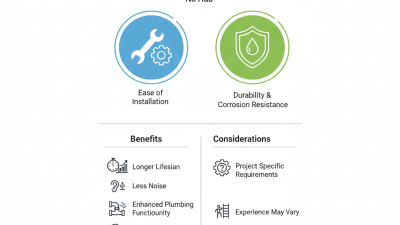
These couplings install quickly and require less space than traditional bell-and-spigot joints. They also help reduce cutting, heating, and complex fitting work. ASTM C1277 and CISPI 310 provide key requirements for shielded couplings used with hubless cast iron soil pipe and fittings. Following those requirements improves consistency, but it does not replace careful workmanship.
Limitations remain. A no hub coupling is generally intended for drainage, waste, and vent systems, not pressurized water service. Pipe ends must be clean, round, supported, and compatible with the coupling. Over-tightening may damage the gasket or distort the pipe. Under-tightening may cause seepage. The specified torque should be checked with a calibrated torque wrench.
Maintenance is simple, but not optional. Inspect exposed joints for staining, movement, corrosion, or odor. The U.S. Environmental Protection Agency WaterSense program reports that household leaks can waste nearly 10,000 gallons of water annually. That figure is not specific to no hub couplings, but it shows why small leaks deserve attention. I have seen joints appear dry during inspection, then drip after temperature changes. That is the uncomfortable reminder: visual checks alone can be incomplete. Recheck repaired joints after system testing and during scheduled maintenance.
A no-hub coupling joins two hubless drainage pipes with an elastomeric gasket, a stainless-steel shield, and tightening clamps. The gasket provides the seal, while the shield and clamps help maintain uniform compression and alignment.
The chart shows common nominal hubless cast-iron pipe sizes and their corresponding outside diameters. Actual coupling selection must be based on the measured pipe outside diameter and the applicable plumbing standard.