Leave Your Message

10 Best No Hub Plumbing Couplings for Global Buyers?

Choosing the right No Hub Plumbing coupling requires more than comparing prices and product photos. Global buyers must examine rubber quality, shield thickness, clamp design, size accuracy, and corrosion resistance. A coupling may look strong online but fail during installation if its dimensions are slightly wrong. Small differences matter.

This guide introduces 10 Best No Hub Plumbing Couplings for Global Buyers? It focuses on practical selection points used by experienced plumbers, distributors, and project engineers. Each option should be reviewed through manufacturer datasheets, installation instructions, pressure information, and available quality documentation. Buyers should also confirm compatibility with local pipe materials, building codes, and wastewater systems. Standards can vary between regions.

Field experience often reveals details that catalogs omit. A rigid shield can improve alignment, while poorly positioned clamps may create uneven sealing pressure. Flexible rubber helps absorb minor movement, but it cannot correct badly misaligned pipes. That limitation matters.

No single coupling fits every project. The best choice depends on pipe diameter, application conditions, temperature, access space, and expected service life. Buyers should request samples when possible. Measure twice.

The recommendations aim to support careful purchasing, not replace professional judgment. Product availability, certifications, and specifications can change by market. For reliable decisions, compare verified technical records with actual installation needs. A lower price is not always lower risk.

10 Best No Hub Plumbing Couplings for Global Buyers?

No Hub Plumbing Couplings: Purpose, Design, and Main Applications

No Hub Plumbing Couplings: Purpose, Design, and Main Applications

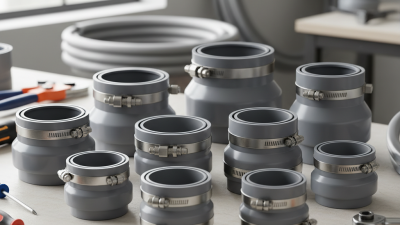
No hub plumbing couplings connect cast iron, plastic, or other compatible drainage pipes. They use a flexible elastomeric gasket and an external shield. This design avoids threading, welding, and open flames. Installation becomes faster in tight service spaces.

The gasket forms the water seal. The shield supports the joint and limits pipe movement. Many models use stainless steel bands with adjustable torque settings. Correct tightening matters. Too little pressure may cause leakage. Too much pressure can damage the gasket or pipe surface. A calibrated torque wrench gives more reliable results than hand judgment.

In commercial drainage systems, these couplings join horizontal branch lines, vertical stacks, and repair sections. They also suit renovations where existing pipes cannot move easily. I have seen installers clean pipe ends carefully, yet overlook uneven cuts. That small fault can weaken the seal. Surface corrosion, misaligned pipes, and incompatible materials create similar risks.

Global buyers should check diameter ranges, temperature limits, pressure ratings, and installation standards. Product documentation should identify gasket material and shield construction. Local regulations may require specific coupling types for buried or fire-rated applications. Do not assume one model fits every drainage condition. Even a well-made coupling can fail when the pipe is unsupported. Simple support brackets often protect the joint better than repeated retightening. Failure analysis is not glamorous. It is useful.

10 Best No Hub Plumbing Couplings for Global Buyers

No-hub couplings join hubless cast-iron soil pipe and fittings. Selecting the correct coupling depends primarily on the nominal pipe size and the pipe’s actual outside diameter.

The chart shows common hubless cast-iron soil pipe sizes and their approximate outside diameters, based on dimensional ranges used in ASTM A888/A74 practice. Couplings should be matched to the actual pipe outside diameter and the applicable local plumbing code.

Key Standards and Materials Used in No Hub Coupling Manufacturing

10 Best No Hub Plumbing Couplings for Global Buyers?

No hub coupling quality starts with standards, not appearance. In North America, ASTM C1277 and CISPI 310 guide shielded couplings for hubless cast iron soil pipe systems. ASTM C1540 covers shielded couplings for hubless nonpressure pipe. European projects may require EN 877 compatibility, especially for cast iron drainage assemblies. Buyers should verify the exact edition and certification scope. A familiar standard marking can still be incomplete.

Material selection controls service life. Most coupling shields use corrosion-resistant stainless steel, commonly 300-series grades. The gasket usually uses elastomers such as EPDM, nitrile, or neoprene. EPDM suits water and drainage exposure. Nitrile performs better around oils, but temperature and chemical limits remain important.

Bolt torque matters too. Excessive tightening can deform the gasket. Loose tightening can permit leakage and pipe movement.

Infrastructure demand makes traceability more practical than optional. The U.S. Environmental Protection Agency’s 2023 Drinking Water Infrastructure Needs Survey estimated $625 billion in drinking water investment needs over 20 years. That figure does not directly measure no hub couplings, but it shows the scale of replacement work. Global buyers should request material certificates, gasket test results, dimensional records, and batch traceability. Factory inspection experience suggests one weakness: documents may describe the metal accurately, yet omit gasket compound details. That omission deserves challenge before shipment. Temperature, pipe outside diameter, corrosion exposure, and local installation codes should be checked together.

How to Evaluate Coupling Size, Compatibility, Durability, and Sealing

Choosing among the 10 best no-hub plumbing couplings starts with accurate sizing. Nominal pipe size can mislead global buyers, so measure the actual outside diameter with a caliper. A 100 mm pipe may not match a four-inch pipe perfectly. Check whether the coupling follows ASTM C1277, CISPI 310, EN 877, or the project’s local standard. These standards address dimensions, shield performance, and joining requirements. Compatibility also depends on pipe material, drainage temperature, chemical exposure, and pressure conditions. A drainage coupling should not be treated as a pressure fitting. That mistake remains common.

Durability depends on more than stainless-steel appearance.

Review shield thickness, clamp construction, elastomer type, and corrosion resistance. EPDM suits many drainage applications, but oils and aggressive chemicals may require another compound. Sealing begins with clean, square pipe ends and correct insertion depth. Follow the specified torque; overtightening can distort the gasket, while loose clamps invite movement.

The U.S. EPA WaterSense program reports that household leaks can waste nearly 1 trillion gallons of water annually, showing why small sealing failures deserve serious attention.

ASTM C1277 and CISPI 310 provide useful verification points, but local inspection rules still matter. I would also request test records, batch traceability, and temperature data from the supplier. Product sheets sometimes omit those details. That omission deserves a second look.

Ten Leading No Hub Plumbing Couplings for International Buyers

No hub plumbing couplings are practical connection components for drainage and waste systems. They join hubless cast iron or similar pipes without welding, threading, or solvent bonding. For international buyers, the best choice depends on pipe diameter, wall thickness, pressure conditions, and local installation rules.

Ten leading no hub plumbing couplings should offer a strong stainless steel shield, reliable clamps, and a resilient elastomeric gasket. The gasket must fit evenly around clean pipe ends. Uneven insertion can cause leakage. Clamp spacing also matters. A qualified installer should use a calibrated torque wrench, because hand tightening often produces inconsistent results. Buyers should verify temperature ratings, corrosion resistance, and compatibility with wastewater environments. Product documentation should clearly state testing methods and applicable standards. Requirements differ between regions.

Tips: Measure the outside diameter before ordering. Check whether the coupling is approved for underground or above-ground use. Inspect the gasket for cuts, hardening, or deformation. Keep pipe ends aligned during assembly. Do not assume one coupling fits every hubless pipe. That assumption can be expensive. In my experience, rushed installations create more failures than defective components. A small trial assembly can reveal alignment problems before full installation. Also, retain batch details and inspection records for future maintenance. Reliability is not only a product feature; it depends on correct selection, careful fitting, and honest verification.

Installation, Maintenance, Sourcing, and Global Purchasing Considerations

Selecting the 10 best no hub plumbing couplings requires more than comparing prices. The coupling must match the pipe material, outside diameter, pressure range, and drainage application. A stainless-steel shield improves alignment and resists movement. The elastomer gasket should remain flexible across the expected temperature range. Check technical drawings, not only product photos.

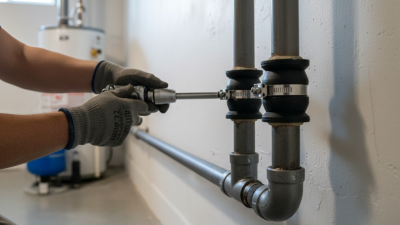
Installation quality affects service life. Clean and square-cut both pipe ends before fitting the gasket and shield. Push each pipe fully into the sleeve. Keep the joint straight. Tighten clamps with a calibrated torque wrench when the specification requires it. Do not guess. Uneven tightening can create leaks or distort the pipe. I have seen careful installations fail because nearby pipes lacked proper support. Add hangers where movement or vibration may load the coupling.

Maintenance teams should inspect joints after pressure testing and during scheduled drainage checks. Look for moisture, clamp displacement, corrosion, and unusual pipe movement. For global purchasing, request samples, inspection reports, material details, and traceable batch records. Confirm regional standards and certification requirements before placing a large order. Compare minimum order quantities, packaging strength, lead time, warranty terms, and replacement availability. A low unit price may become expensive after customs delays or damaged cartons. Ask suppliers to confirm dimensions in writing. Small measurement differences can stop installation. Keep it simple. Still, no checklist catches every field mistake. An independent pre-shipment inspection can reveal packaging or labeling problems before loading.

10 Best No Hub Plumbing Couplings for Global Buyers? - Installation, Maintenance, Sourcing, and Global Purchasing Considerations
No. Recommended Coupling Type Typical Nominal Pipe Sizes Body, Shield, and Clamp Construction Gasket Material and Service Range Compatible Applications Installation Guidance Maintenance Considerations Sourcing and Purchasing Checks Typical Best Use Buyer Score
1 Standard Shielded No Hub Coupling 1½–4 in. / DN40–DN100 Elastomeric sleeve with a stainless-steel shield and four or six tightening bands; stainless hardware is preferred for corrosion resistance. Usually neoprene or equivalent elastomer; commonly suitable for ordinary sanitary drainage temperatures up to approximately 180°F / 82°C, subject to the gasket specification. Cast-iron, ductile-iron, copper, steel, and compatible plastic DWV pipe transitions. Cut pipe square, deburr ends, clean the sealing surfaces, center the sleeve, and tighten evenly with a calibrated torque wrench. Follow the supplied torque value; many standard designs specify about 60 in-lb. Inspect after commissioning and during scheduled drainage-system checks for movement, corrosion, or gasket extrusion. Confirm pipe outside diameters, applicable plumbing approvals, band count, stainless grade, gasket compound, packaging, and installation instructions. General indoor sanitary and commercial DWV repairs. 9.5/10
2 Heavy-Duty Shielded Coupling 4–15 in. / DN100–DN375 Longer elastomeric sleeve with a full-width shield and multiple high-strength stainless bands, typically six or more on larger sizes. Neoprene, EPDM, or other specified elastomer; temperature and chemical limits must be verified against the selected compound. Large-diameter building drains, commercial waste lines, and pipe joints exposed to greater alignment or vibration demands. Support large pipes independently, align ends carefully, position all bands over the shield, and tighten in stages using the manufacturer’s stated sequence and torque. Check support spacing, shield distortion, band tension, and joint displacement, especially where traffic, pumps, or thermal movement are present. Verify actual outside-diameter range, shield width, band quantity, load requirements, freight dimensions, and local approval requirements. Large commercial or industrial gravity drainage installations. 9.4/10
3 Transition Coupling for Dissimilar Pipe Materials 1½–6 in. / DN40–DN150 Shielded sleeve engineered for two different outside diameters or material surfaces; stainless bands provide circumferential restraint. Material is selected according to the service medium, temperature, and pipe combination; EPDM and neoprene are common options. Connections between cast iron, copper, steel, and approved plastic drainage pipe. Measure both pipe outside diameters before ordering. Do not force a standard-size sleeve onto an out-of-range pipe or use lubricants not approved for the gasket. Recheck joints where different materials have different expansion, stiffness, or surface conditions. Request dimensional drawings, minimum and maximum outside diameters, material compatibility data, and country-specific compliance documents. Renovation projects and mixed-material plumbing networks. 9.3/10
4 Seismic- and Vibration-Resistant Coupling 2–12 in. / DN50–DN300 Reinforced shield and multiple bands designed to improve joint stability; the coupling itself does not replace required pipe bracing or supports. Specified elastomer based on temperature and chemical exposure; verify movement and vibration limits in the technical data. Mechanical rooms, high-rise drainage stacks, transport facilities, and areas with equipment vibration. Install with correct pipe restraints and support spacing. Tighten bands uniformly and avoid angular misalignment beyond the stated allowance. Inspect after seismic events, equipment start-up, or unusual vibration; look for band loosening and pipe movement. Ask for tested movement limits, vibration data, corrosion-resistant hardware, and documentation accepted by the project authority. Vibration-prone and higher-risk building services. 9.1/10
5 Corrosion-Resistant Stainless Coupling 1½–8 in. / DN40–DN200 Stainless-steel shield and bands; the exact stainless grade should be identified because corrosion performance varies by environment. EPDM, neoprene, or other elastomer selected for moisture, chemicals, and temperature exposure. Coastal buildings, humid plant rooms, food-service drainage exteriors, and locations where surface corrosion is a concern. Prevent contamination of sealing surfaces, use compatible tools, and avoid mixing unmarked hardware grades in corrosive locations. Rinse corrosive deposits where appropriate and inspect for pitting, crevice corrosion, and damaged band threads. Confirm stainless grade, salt-spray or corrosion data if required, gasket compound, traceability, and export packing. Wet, coastal, or chemically exposed installations. 9.0/10
6 Low-Profile Shielded Coupling 1½–4 in. / DN40–DN100 Compact shield and low-clearance band arrangement for restricted spaces; still requires full access for tightening. Common drainage-grade elastomers; verify temperature, chemical, and long-term compression limits. Wall cavities, bathroom renovations, ceiling voids, and confined service chases. Confirm wrench clearance before installation. Align the pipe ends fully because limited space can make correction difficult after tightening. Provide an inspection opening where possible; restricted access can increase the cost of future repairs. Compare installed height, band-head access, minimum pipe gap, outside-diameter range, and carton dimensions. Space-constrained repair and remodeling work. 8.8/10
7 High-Temperature Drainage Coupling 1½–6 in. / DN40–DN150 Shielded construction with a gasket compound selected for elevated intermittent drainage temperatures. EPDM or another high-temperature-rated elastomer; the exact continuous and intermittent temperature limits must be confirmed. Commercial kitchens, laundries, process drainage, and hot-water discharge lines where permitted by code. Check thermal movement, pipe support, and chemical compatibility. Do not infer temperature suitability from the shield material alone. Inspect for hardening, cracking, swelling, or loss of compression after prolonged hot service. Obtain temperature test data, gasket identification, chemical-resistance information, and the relevant drainage-system approval. Hot but non-pressurized drainage systems. 8.7/10
8 Underground or External Drainage Coupling 2–8 in. / DN50–DN200 Robust shield and corrosion-resistant bands selected for damp or buried environments; external protection may still be required. Gasket must be suitable for soil moisture, wastewater constituents, and the pipe materials being joined. Non-pressure underground sanitary drainage and external building connections where local codes permit. Use proper bedding and pipe support; protect the coupling from sharp backfill and avoid using it as a substitute for a code-approved underground joint. Future access may be limited, so verify alignment, torque, and leak testing before backfilling. Confirm burial suitability, external corrosion protection, soil compatibility, test requirements, and local authority acceptance. External and buried gravity drainage connections. 8.6/10
9 Coupling with Shielded Repair Sleeve 1½–6 in. / DN40–DN150 Longer sleeve and shield provide additional coverage over a cut-out or short replacement section; joint geometry must be checked carefully. Standard drainage elastomer or a service-specific compound, depending on wastewater and temperature conditions. Emergency repairs, localized corrosion replacement, and maintenance sections in non-pressurized pipework. Remove damaged material cleanly, maintain the specified pipe gap, fully seat the replacement section, and tighten all bands evenly. Record the repair location and inspect it during the next maintenance cycle; repair sleeves should remain accessible where practical. Check sleeve length, allowable pipe gap, outside-diameter range, replacement-pipe compatibility, and availability of spare gaskets. Fast planned or emergency drainage repairs. 8.5/10
10 Custom-Dimension No Hub Coupling Special sizes or non-standard outside diameters Configuration may include a tailored sleeve, shield width, band arrangement, or gasket profile based on an approved engineering drawing. Selected from the required temperature, chemical, aging, and pipe-material conditions; full material declarations should be requested. Historic pipe dimensions, international pipe standards, unusual transitions, and infrastructure retrofit projects. Submit accurate outside-diameter measurements, joint gap, service conditions, drawings, and quantity requirements before production. Keep dimensional records and replacement specifications because future procurement may require the same custom profile. Request samples, inspection reports, material certificates, production lead time, minimum order quantity, tooling charges, and after-sales support. Specialized international retrofit projects. 8.3/10
Global purchasing note: No hub couplings are generally intended for non-pressurized drainage and DWV systems. Confirm the applicable local plumbing code, pipe outside-diameter standard, coupling approval, gasket compatibility, temperature limits, corrosion requirements, and whether the installation is above ground or underground. The stated sizes and service ranges are typical purchasing references rather than a substitute for the supplier’s current technical data sheet. Pressure applications require a specifically approved pressure-rated joint system.