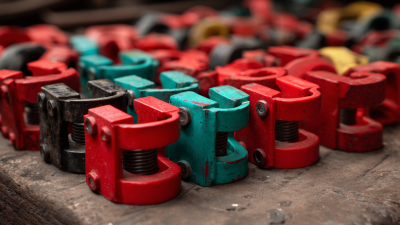
Top 5 Tips for Choosing No Hub Coupling PVC Pipe
When it comes to plumbing, choosing the right materials is crucial, especially with No Hub Coupling PVC. Frank Turner, a leading expert in the PVC industry, once stated, “The right coupling makes all the difference in long-term performance.” This insight underscores the importance of making informed decisions in your plumbing projects.
Selecting No Hub Coupling PVC involves more than just picking the fitting. It requires an understanding of the product's durability, compatibility, and installation process. Many overlook these aspects and end up with faulty connections that lead to leaks. This often results in expensive repairs and damages.
In this guide, we will explore the top five tips for choosing No Hub Coupling PVC. From assessing the pipe's resistance to corrosion to ensuring the right size, each tip aims to enhance your plumbing efficiency. These insights draw from industry best practices and real-world experiences. Remember, a well-chosen coupling can streamline your project and provide peace of mind.
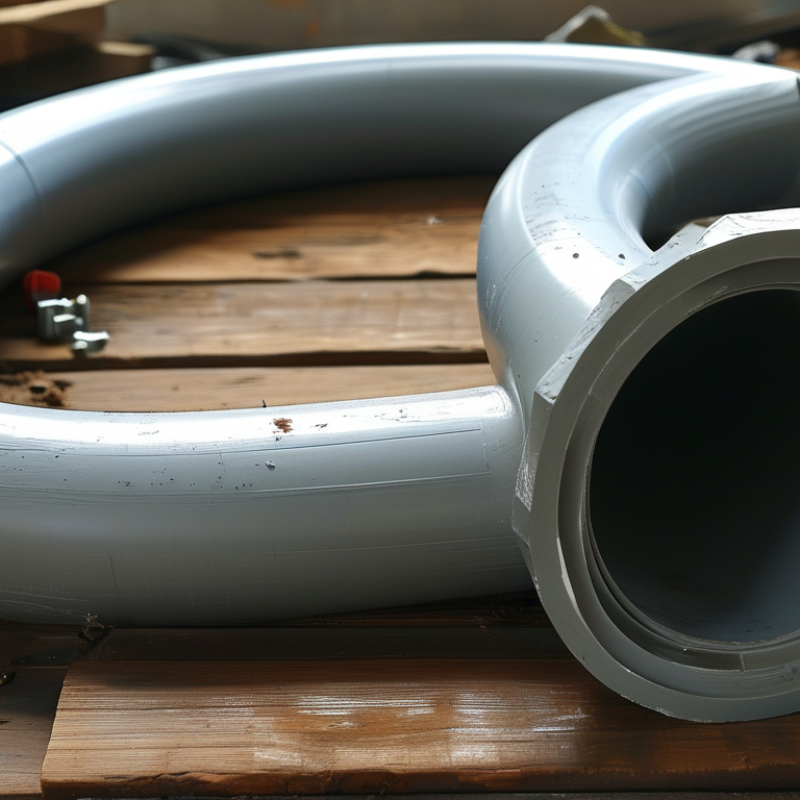
Understanding No Hub Coupling PVC Pipes and Their Applications
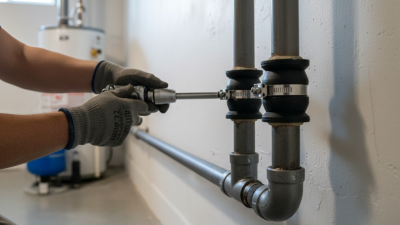
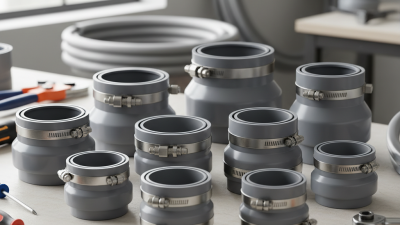
No hub coupling PVC pipes offer unique advantages in plumbing and construction projects.
Their ability to connect pipes without requiring additional fittings simplifies installation
and minimizes leak points. Understanding their applications is crucial for ensuring
effective and lasting solutions.
Many professionals prefer no hub coupling
due to their flexibility and resilience. According to the Plastic Pipe and Fittings Association,
over 60% of plumbing systems utilize PVC due to its corrosion resistance. Recognizing how to
select suitable options boosts project reliability and efficiency.
When choosing no hub coupling PVC pipes, consider the following tips. First,
assess the pipe diameter.
The right size prevents flow issues and reduces maintenance needs. Pay attention to
the pipe's wall thickness.
Thicker walls enhance durability against pressure changes. Finally, evaluate your
project's specific demands. Not all applications require the same specifications,
and awareness here can prevent costly mistakes. A tailored approach not only
ensures performance but also aligns with industry standards.
Evaluating Material Quality and Durability for Long-lasting Performance
When selecting a no hub coupling PVC pipe, evaluating the material quality and durability is vital. The performance of your plumbing system heavily relies on the pipes used. Low-quality materials can lead to leaks, breaks, and costly repairs. A thorough examination of the product specifications can help avoid such issues. Look for PVC pipes that adhere to ASTM standards for durability and reliability.
Tip 1: Check the pipe's thickness. A thicker pipe can enhance durability. This is crucial in high-pressure applications. Inspect the pressure rating to ensure it meets your project's needs.
Tip 2: Review the manufacturer's certifications. Reliable manufacturers have their products tested for quality. Certifications can indicate adherence to safety and performance standards. This adds an extra layer of assurance.
Even high-quality PVC pipes should be considered for their installation environment. Subtle changes in temperature or soil conditions can affect their performance. It’s important to consider these factors during installation and maintenance. Regular inspections can uncover issues early. Reflecting on the performance of previously used pipes can lead to better decision-making for future projects.
Sizing and Fitting Considerations for Effective Installation
When considering no hub coupling PVC pipes, sizing and fitting are crucial for effective installation. Accurate measurements help ensure the pipes fit securely, helping to prevent leaks. Industry reports suggest that improper sizing accounts for 20% of installation failures. Selecting the right diameter is key. A pipe that is too large may lead to inadequate flow, while one that is too small increases pressure and stress on the system.
Fittings also play a significant role. They must match the pipe's diameter and the intended application. For instance, a poorly matched fitting can create weak points. According to a recent study, 30% of plumbing issues stem from fitting mismatches. It's essential for installers to verify compatibility between pipes and fittings before installation begins.
Another aspect to consider is the environment in which the pipes will be used. Factors like temperature changes and chemical exposure can affect performance. Research shows that PVC pipes have a lifespan of 50 years under optimal conditions, but compromising factors can reduce that significantly. Reflecting on these details is necessary to avoid future complications during the plumbing lifecycle.
Comparing Brands: Key Features and Customer Reviews
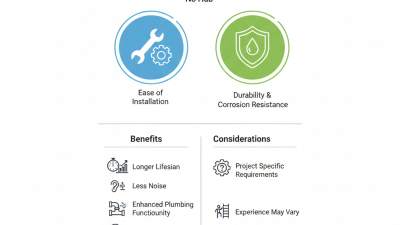
When selecting no hub coupling PVC pipe, considering brand features can pave the way for better choices. Many brands offer varying benefits, from durability to ease of installation. Robust materials can enhance the longevity of your plumbing system. It's important to research and compare these aspects to make an informed decision.
Customer reviews often highlight real-world experiences, providing insights that technical specifications might miss.
Beyond brand reputation, explore specific features that matter. Look for flexibility in application, as some pipes handle different environments better than others. Weight and installation methods also impact your choice. Some users express frustration with heavy or complicated products. Understanding these challenges can guide you toward more user-friendly options.
Customer experiences reveal that sometimes, the cheapest option doesn't guarantee satisfaction. Evaluating reviews can uncover the nuances that make a product truly reliable.
Identifying Cost Factors and Budget-Friendly Options
When selecting no hub coupling PVC pipe, understanding cost factors is crucial. Prices vary based on pipe diameter, thickness, and quality. A larger diameter will typically cost more. The thickness can influence both strength and price. Consider these aspects when budgeting for your project.
Quality should not be sacrificed for savings. Sometimes, cheaper options may lead to problems later. For instance, lower-quality pipes can crack or leak. It's wise to seek a balance between cost and durability.
Research local suppliers for competitive pricing. Sometimes, buying in bulk can reduce costs significantly. Always compare quotes before making a decision. Investing time in this process can save money and future headaches. Adjust your budget accordingly, and prioritize reliable materials. This can lead to long-term savings.
Cost Factors for Choosing No Hub Coupling PVC Pipe