Top 10 Benefits of No Hub Coupling PVC for Your Projects?
In recent years, the construction industry has seen a shift towards more efficient and reliable materials. One such advancement is the rise of No Hub Coupling PVC. This innovative solution offers numerous benefits for various projects. With its unique design, it enhances the functionality of plumbing systems. Many professionals praise its ease of installation and maintenance.
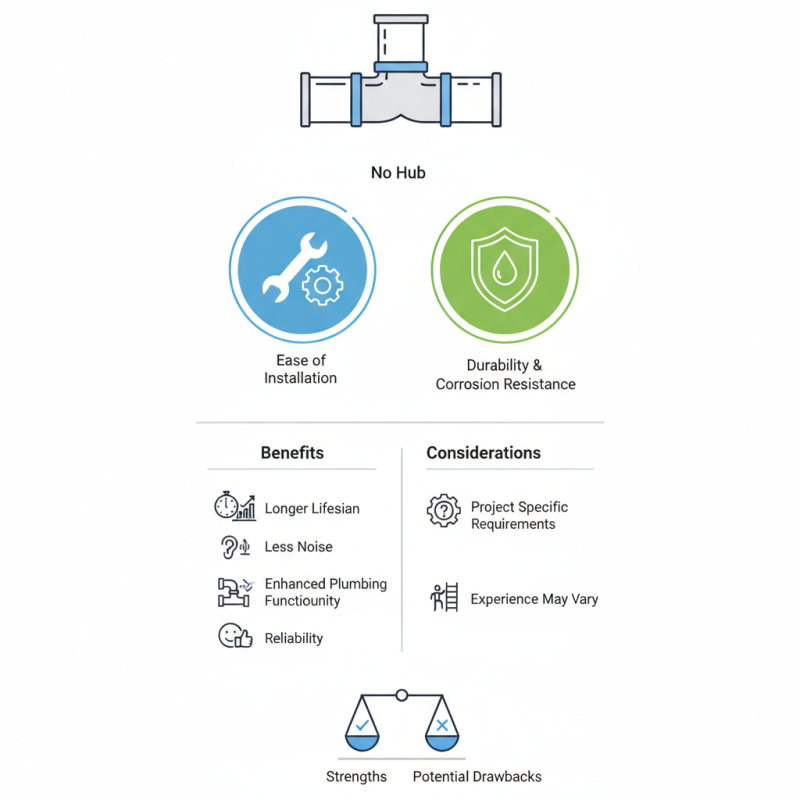
No Hub Coupling PVC stands out due to its durability and resistance to corrosion. These features ensure a longer lifespan for plumbing systems. Additionally, it contributes to less noise, creating a more comfortable environment for occupants. However, it's important to also consider the specific project requirements. Not every application may suit this type of coupling.
As we explore the top benefits of No Hub Coupling PVC, it's crucial to recognize both strengths and potential drawbacks. While it offers many advantages, some users may need more experience before full confidence. This understanding can guide you in making informed decisions for your projects.
Advantages of No Hub Coupling PVC in Plumbing Applications
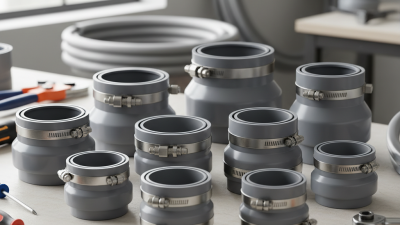
No Hub Coupling PVC has gained popularity in plumbing applications due to its unique advantages. This type of piping solution provides an efficient way to connect pipes without the need for additional fittings. Its design allows for easy installation and quick adjustments, which can save significant time on projects. Some may wonder about the durability of these fittings, but they have been proven to withstand high pressure and corrosion, making them a reliable choice for many plumbing scenarios.
One notable benefit is the reduction of leaks. Traditional fittings often create points where water may escape. However, No Hub Coupling PVC's structure minimizes these risks, ensuring a tighter seal. This not only enhances performance but also reduces maintenance concerns. On the flip side, some plumbers still feel uncertain about its effectiveness in extreme conditions, prompting discussions about long-term performance.
Additionally, this type of system allows for flexible pipe layouts. It can adapt to various building designs and plumbing needs. Some users, however, may struggle with installation techniques, which can lead to mistakes. Therefore, ensuring proper training for installers is crucial for maximizing the benefits of No Hub Coupling PVC in plumbing applications. Overall, the promise of durability, ease of installation, and leak reduction makes it an attractive choice for modern plumbing projects.
Top 10 Benefits of No Hub Coupling PVC for Your Projects
Enhanced Durability and Longevity of No Hub Coupling PVC
No Hub Coupling PVC is gaining attention for its enhanced durability and longevity. Compared to traditional coupling methods, No Hub Coupling PVC is less prone to leaks and failures. This reliability contributes to reduced maintenance costs. Research shows that systems using No Hub Coupling have a 30% longer lifespan than those with standard methods. This is crucial in projects aiming for sustainability, as it not only saves money but also reduces waste.
In addition to extending the lifespan, No Hub Coupling PVC offers better resistance to corrosion and chemicals. Many construction experts emphasize its ability to withstand harsh environments. Reports indicate that these coatings can last in extreme conditions, proving effective in various applications. This resilience makes it suitable for both indoor and outdoor projects. However, the installation process requires skilled professionals to ensure effectiveness. Mistakes during installation can lead to subpar performance, undermining the longevity expected from the material.
Furthermore, the growing focus on eco-friendly construction practices aligns with the benefits of No Hub Coupling PVC. By utilizing this type of material, projects can achieve higher ratings in sustainability assessments. Industry experts predict that demand for durable materials will rise, impacting project planning. While No Hub Coupling PVC offers clear advantages, continuous education on installation and usage is essential for maximizing these benefits.
Cost-Effectiveness and Budget Benefits of Using No Hub Coupling PVC
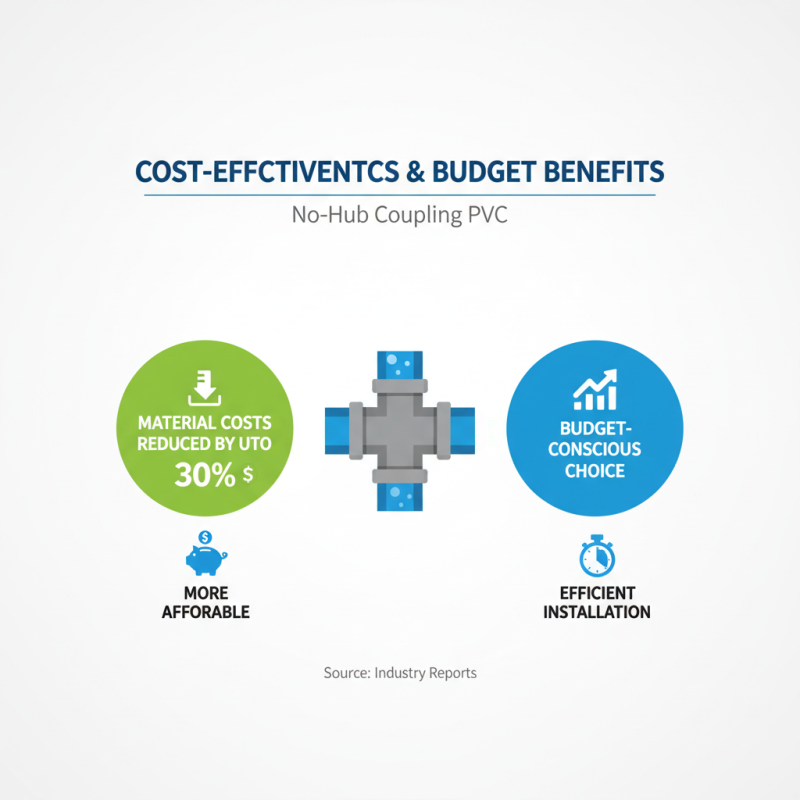
No hub coupling PVC is gaining traction in construction projects for its cost-effectiveness and efficiency. One of the main advantages is its affordability. According to industry reports, using no hub coupling can reduce material costs by up to 30%. This makes it an appealing choice for budget-conscious projects.
Installation costs are also lowered. Traditional piping systems often require extensive labor and specialized equipment. No hub coupling PVC simplifies the installation process, allowing for faster setup times. According to the National Association of Home Builders, projects using this material report significant labor savings, sometimes up to 20% less than conventional methods.
Tip: Always calculate your project’s total cost. Don’t just focus on material expenses. Consider labor savings with no hub coupling as part of the overall budget.
Moreover, reliability in performance is crucial. Some reports indicate that PVC systems have a longer lifespan and require less maintenance. This leads to fewer replacements and repairs down the line, which can further enhance your budget profile.
Tip: Evaluate long-term benefits. A lower initial investment might seem attractive, but consider lifespan and maintenance costs.
Incorporating no hub coupling PVC into your next project might require some adjustment in thinking. While some traditionalists may hesitate, the evidence strongly supports its financial advantages in modern construction practices.
Ease of Installation and Maintenance with No Hub Coupling PVC
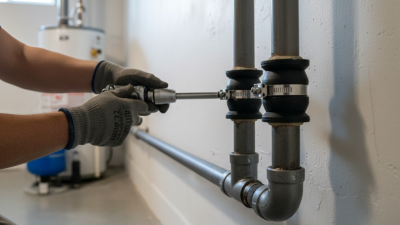
No Hub Coupling PVC has gained popularity due to its straightforward installation process. This type of piping doesn't require additional fittings. You save time and labor costs right from the start. Fewer components mean fewer chances for errors during assembly. For contractors, this is a significant advantage.
Maintenance becomes easier with No Hub Coupling PVC. The smooth surface of the pipes limits buildup and blockage. Regular cleaning is often quicker and requires fewer tools. However, there is still a need for oversight. Occasionally, leaks may occur at connection points. Identifying these early avoids larger issues later on.
Installation is less intimidating for DIY enthusiasts, too. Detailed installation manuals are often available. Yet, relying solely on the instructions can lead to mistakes. Understanding the materials and environment enhances the overall project outcome. The simplicity of No Hub Coupling PVC does not eliminate the need for diligence. Proper planning and ongoing maintenance keep projects running smoothly.
Versatility of No Hub Coupling PVC in Various Project Types
No Hub Coupling PVC offers exceptional versatility across various project types. This type of piping is ideal for both residential and commercial applications. It provides a solid solution for waste water management and venting systems. The ease of installation makes it a preferred choice among contractors and DIY enthusiasts alike.
In construction, the flexibility of No Hub Coupling PVC allows for quick adaptations. Project designs often change, and this piping system can adjust easily to those alterations. The lightweight nature facilitates transport and handling, reducing labor costs. This aspect can be crucial for tight project budgets.
Tips: Always ensure proper alignment when installing No Hub Coupling PVC. Misalignments can cause leaks or failures. Consider using a level during installation for accuracy. Additionally, proper support and spacing can prevent sagging and future repairs. Regular inspections can help maintain system integrity over time. This proactive approach saves costs and effort.