Top 5 Loop Hanger Designs You Need for Your Projects?
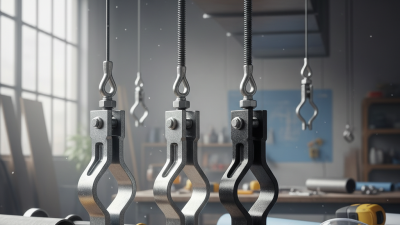
When it comes to creating efficient and innovative projects, Loop Hangers are essential tools. These versatile components serve various purposes in construction and crafting. Choosing the right Loop Hanger design can significantly enhance both functionality and aesthetics.
In this article, we will explore the top five Loop Hanger designs. Each design has unique features that cater to different project needs. Whether you're installing shelves, hanging plants, or organizing cables, the right Loop Hanger makes a difference. However, it is critical to consider the materials and application for optimal results.
While these designs are popular, they come with their own challenges. For instance, some Loop Hangers may not suit heavy loads. Careful selection ensures both safety and durability. Understanding these aspects elevates your project outcome. Let's dive into the world of Loop Hangers and discover the best options for your next endeavor.

Essential Features of Loop Hanger Designs for Various Applications
Loop hangers are essential components in many construction and maintenance projects. They provide secure support for various applications, such as piping and wiring. Choosing the right design is crucial for efficiency and safety. According to the American Society of Civil Engineers, improper supports can lead to failures, costing projects time and resources.
One key feature to consider in loop hanger designs is material strength. Steel hangers are favored for their durability and resistance to corrosion. A study by the International Journal of Structural Engineering highlights that steel hangers can withstand dynamic loads, making them ideal for industrial environments. However, the installation process must be precise. Misalignments can compromise load distribution, leading to potential hazards.
Flexibility is another important aspect. Adjustable loop hangers allow for variations in pipe sizes and installation angles. This adaptability is often overlooked in project plans. Engineers must account for expansion and contraction in pipes due to temperature changes. Research from the Construction Industry Institute indicates that oversight in these areas can increase project costs by up to 15%. Designers should also reflect on feedback from maintenance teams about the practicality of different hanger styles.
Comparative Analysis of Different Loop Hanger Materials
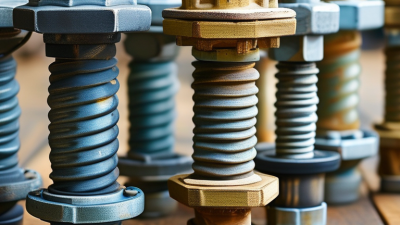
When selecting loop hangers for various projects, materials play a crucial role. Common options include steel, plastic, and nylon. Each material has distinct properties that can influence their performance in different environments. Steel hangers are strong and durable, ideal for heavy loads. However, they may corrode if not treated properly. On the other hand, plastic loop hangers are lightweight and resistant to rust. They are suitable for indoor projects but may not support heavy items.
Nylon loop hangers offer a balance between strength and flexibility. They resist abrasion and are less likely to crack under stress. However, the environmental conditions can affect their longevity. It's essential to consider the specific requirements of your project, such as load weight and environmental factors.
**Tips:** Always test your materials before final use. A small test can reveal weakness. Ensure that your loop hangers are adequately rated for the intended load. Remember, in DIY projects, it’s important to reflect on your choices. Sometimes the cheapest option is not the best long-term solution. Consider the environment and potential wear to ensure durability in your applications.
Top 5 Loop Hanger Designs You Need for Your Projects
| Design |
Material |
Load Capacity (lbs) |
Surface Finish |
Price Range ($) |
| Standard Loop Hanger |
Galvanized Steel |
50 |
Zinc Coated |
5-10 |
| Heavy-Duty Loop Hanger |
Stainless Steel |
100 |
Polished |
10-15 |
| Adjustable Loop Hanger |
Aluminum |
70 |
Anodized |
8-12 |
| Plastic Loop Hanger |
Polypropylene |
30 |
UV Resistant |
3-5 |
| Double Loop Hanger |
Carbon Steel |
120 |
Black Powder Coated |
12-20 |
Step-by-Step Guide to Installing Loop Hangers
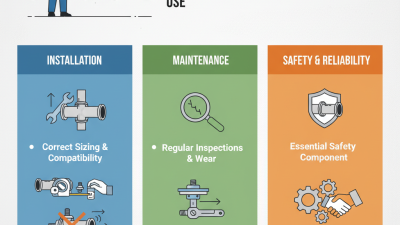
Installing loop hangers can be straightforward with the right approach. Start by selecting the ideal location for your hangers. Ensure the area is clean and free of debris. Mark the spots where the hangers will go, noting that precision is crucial. Measure carefully to avoid misalignment, which can lead to frustration later.
Prepare the surface before installation. Use a drill to create pilot holes, making it easier to insert the hangers. This reduces the chance of splitting wood. When attaching the hangers, a level is your best friend. It helps guarantee that everything hangs evenly. If your hangers are not level, it may lead to structural issues down the road.
Always double-check your work as you progress. Make adjustments as needed to maintain alignment. Remember, it's okay to make mistakes during the installation process. If you find something is not right, pause and reassess. Taking the time now can save you effort and resources later. Ensuring each step is executed properly builds a solid foundation for your projects.
Innovative Loop Hanger Designs for Enhanced Durability
When it comes to loop hanger designs, innovation is key. Enhanced durability is essential in various projects. These designs use advanced materials and techniques for optimal performance. Many professionals appreciate how these hangers withstand heavy loads and resist environmental stressors. The right loop hanger can make a significant difference in project longevity.
Consider the materials used in these designs. Some loop hangers are crafted from high-strength alloys and reinforced polymers. They combine lightweight properties with impressive strength. This balance allows for easier handling without sacrificing stability. Many users find that even with the latest designs, occasional wear and tear occurs. Regular inspections should not be overlooked.
Innovative features also play a role. Some hangers include adjustable settings for custom applications. Others offer built-in anti-corrosion protections. While these designs show promise, not all options will meet every requirement. Exploring different designs can lead to better outcomes. Evaluate your project’s needs thoroughly before selecting a loop hanger.
Top 5 Loop Hanger Designs for Enhanced Durability
Common Mistakes to Avoid When Choosing Loop Hangers
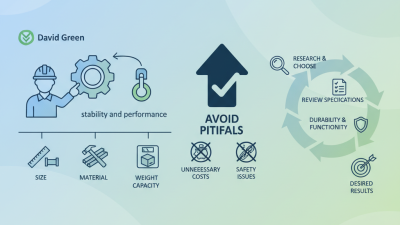
Choosing the right loop hangers for your projects can be tricky. Many make common mistakes that lead to poor results. One of the biggest errors is overlooking weight limits. Each loop hanger has a specific capacity. Exceeding this limit can cause failures. Always check specifications before purchasing.
Another frequent mistake is ignoring the material. Different materials offer various levels of durability. Using a hanger that isn’t suited for outdoor use could lead to rusting and breakage. It’s crucial to match the hanger material to the project’s conditions. This attention to detail is vital for ensuring longevity.
Installation can also pose challenges. Many people rush this step, resulting in improperly secured hangers. This oversight leads to sagging or falling objects. Patience during installation results in a much more secure and reliable outcome. Don't skip measuring distances; this can save headaches later. Small adjustments can make a big difference in the final results.