How to Choose the Right T Bolt Pipe Clamp for Your Project?
Choosing the right T Bolt Pipe Clamp is crucial for the success of your project. These clamps are widely used in various applications, from plumbing to automotive repairs. The right selection ensures stability and supports your pipe systems effectively.
When exploring T Bolt Pipe Clamps, consider factors such as size, material, and load capacity. Each aspect plays a significant role in performance and durability. For instance, stainless steel clamps offer better corrosion resistance, ideal for outdoor projects.
There are common mistakes to avoid. Many overlook the importance of fitting size, which can lead to leaks or pipe damage. It’s essential to measure accurately. Additionally, not all clamps cater to high-pressure applications. Understanding your project's requirements can guide you to a suitable choice. Investing time in understanding T Bolt Pipe Clamps will pay off significantly in the long run.
Understanding the Functionality of T Bolt Pipe Clamps
T bolt pipe clamps serve a crucial role in various projects. Their primary function is to provide strong, secure connections for pipes. These clamps are especially effective when working with large-diameter pipes. They distribute clamping forces evenly, reducing the risk of leaks and ensuring stability.
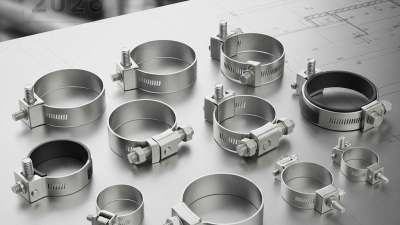
Understanding their functionality can help in selecting the right clamp. The design features a T-shaped bolt, allowing for easy adjustments. This makes installation simpler and more efficient. However, improper sizing can lead to issues. A clamp that’s too tight can damage the pipe, while one that’s too loose risks failure. It's essential to measure pipe diameter accurately before purchasing.
Material choice also affects performance. Stainless steel clamps resist corrosion, while plastic clamps may be lightweight but less durable. Each project may require different materials based on environmental factors. Selecting the proper clamp involves careful consideration of all these factors. This can lead to improved results in pipe management, ensuring safety and efficiency.
How to Choose the Right T Bolt Pipe Clamp for Your Project?
This chart illustrates key characteristics to consider when selecting T Bolt Pipe Clamps, including the size, strength, and material type. Ensuring the right specifications can greatly impact the effectiveness and durability of your project.
Identifying the Appropriate Size for Your Project Requirements
Choosing the right T bolt pipe clamp involves careful consideration of size and fit. Measure the diameter of the pipe you need to clamp. If the clamp is too loose, it won't secure the pipe effectively. A clamp that is too tight can damage the pipe or create stress points.
Next, consider the pipe material. Different materials may require specific clamp sizes due to thickness. For instance, thicker metal pipes need larger clamps. An accurate size ensures even pressure distribution. Sometimes, misjudging the size can push you to redo the work later.
Be mindful of the project’s environment. High temperatures or humidity can influence your clamp choice. A robust clamp may be needed for outdoor settings. Reflect on past projects—did size mistakes lead to leaks? Learning from these experiences can guide future decisions. Always keep specifications at hand, as this promotes reliable outcomes.
Materials and Durability Considerations for T Bolt Pipe Clamps
When selecting T-bolt pipe clamps, material choice significantly impacts durability. Common materials include stainless steel, carbon steel, and plastic. Stainless steel offers excellent corrosion resistance, making it ideal for outdoor applications or environments with moisture. In contrast, carbon steel might be more suitable for indoor projects where exposure to elements is limited. However, carbon steel can rust, which is a key concern.
Another critical aspect to consider is the clamp's coating. Zinc-coated clamps provide some corrosion resistance but are not as robust as stainless steel. Failing to choose the right coating can lead to premature failure. Additionally, the temperature range of the project plays a role. Some materials can warp or break under extreme temperatures. If you're working with heated pipes, ensure your clamp can withstand the thermal stress.
It's essential to assess the clamp's load-bearing capacity and size as well. An appropriate fit will reduce the risk of leaks or structural failures. Regular maintenance checks can extend the lifespan of your clamps. However, if clamps show signs of wear, replacing them sooner could prevent larger issues later. These details matter and should not be overlooked during your selection process.
Evaluating Load Capacity and Pressure Ratings for Optimal Use
When selecting a T Bolt pipe clamp, evaluating
load capacity and pressure ratings is crucial. These factors determine how well the clamp will perform under specific conditions. A clamp's load capacity tells you the maximum weight it can hold without failure. Always check this rating against your project's requirements. If the clamp cannot handle the load, it may lead to dangerous failures.
Pressure ratings are equally important. They indicate how much pressure the clamp can withstand. Underestimating pressure can result in leaks or system failures. For high-pressure applications, choose clamps designed for heavy-duty use. Always refer to the manufacturer's specifications for accurate details. However, remember that specifications may not always reflect real-world conditions. Environmental factors like temperature and corrosion can impact performance, making it essential to conduct thorough testing.
Oversizing a clamp may seem like a safe choice, but it can introduce issues like increased costs or installation difficulties. It's critical to strike a balance between safety and practicality. Sometimes, the ideal solution requires a compromise. Make sure to consult industry experts or technical guidelines to enhance reliability in your decisions. Aligning your clamp choice with specific project demands will ultimately lead to better outcomes.
Assessing Compatibility with Other System Components and Accessories
Choosing the right T bolt pipe clamp requires careful consideration of its compatibility with other system components and accessories. Many projects fail due to mismatched parts. A recent industry report indicates that 30% of installation issues arise from incompatible fittings. This statistic highlights the importance of assessing compatibility before making a purchase.
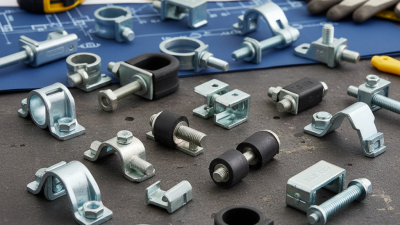
When selecting a pipe clamp, pay attention to materials used in both the clamp and pipes. For example, stainless steel clamps might react differently with PVC pipes compared to other materials. A detailed compatibility check can save time and resources during installation. Furthermore, ensure the clamp can accommodate various accessories such as vibration dampers or brackets, as this can improve overall system performance.
Professional guidelines suggest testing components together before final installation. This practice helps identify any potential issues early on. Ignoring compatibility can lead to leaks or structural failures. About 25% of maintenance problems in piping systems stem from such oversights. Investing time in compatibility checks brings long-term benefits and reliability to your projects.