What is a Single Bolt Pipe Clamp and How is it Used?
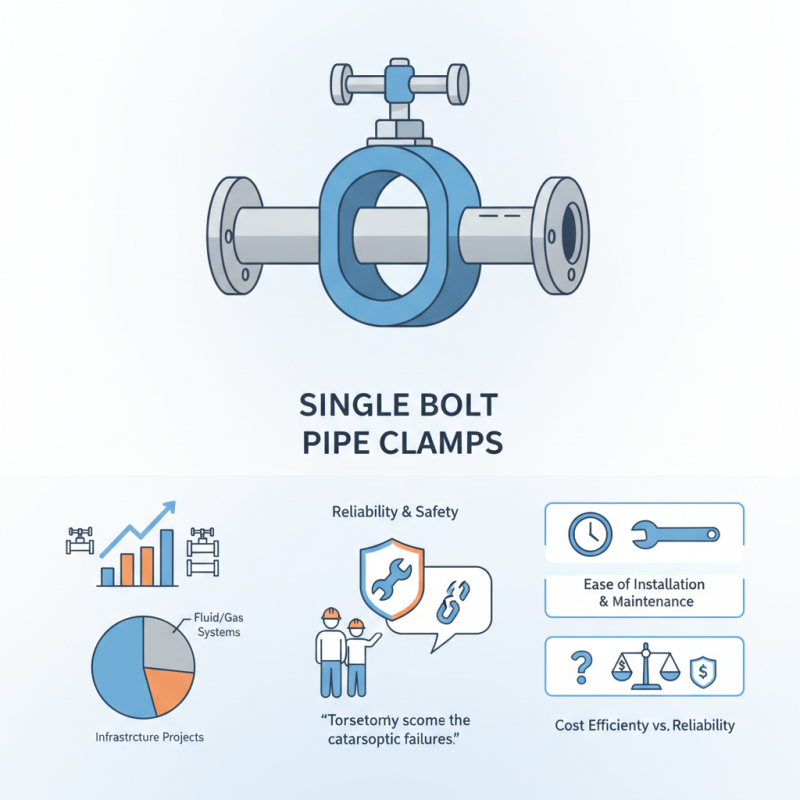
Single Bolt Pipe Clamps are crucial components in various industries, ensuring secure and efficient piping connections. According to a recent report by the Global Industrial Forecast, the demand for these clamps is expected to grow by 5.2% annually through 2028. This increase is driven by the rise in infrastructure projects and the need for reliable fluid and gas transfer systems.
Industry expert John M. Trent, a leading mechanical engineer, emphasizes their importance, stating, "Without Single Bolt Pipe Clamps, many systems could face catastrophic failures due to leaks." This highlights the responsibility engineers have in selecting appropriate clamping solutions. Single Bolt Pipe Clamps offer advantages like ease of installation and maintenance, yet they require careful evaluation for application-specific needs.
While Single Bolt Pipe Clamps are often seen as simple tools, their selection and application can be complex. An improperly chosen clamp can lead to inefficiencies or safety hazards. It’s vital to approach their use with both expertise and caution. Balancing cost efficiency with reliability remains a challenge for many professionals. This ongoing conversation within the industry reflects the need for continuous improvement and learning.
Definition and Purpose of a Single Bolt Pipe Clamp
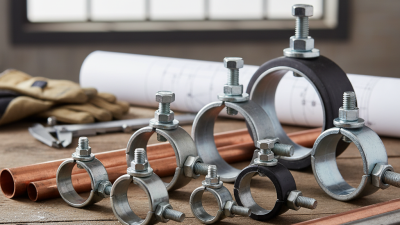
A single bolt pipe clamp is a mechanical device designed to secure pipes in place. It consists of a single bolt that fastens the clamp tightly around the pipe. This design allows for quick installation and adjustments. The primary purpose of this clamp is to maintain proper alignment and prevent movement. It is widely used in plumbing, HVAC, and industrial applications.
Tips: When using a single bolt pipe clamp, ensure the pipe size matches the clamp’s specifications. A mismatched size can lead to leaks. It's important to torque the bolt to the manufacturer's recommended specifications. Over-tightening can damage the clamp or pipe.
In practice, the single bolt pipe clamp proves effective, yet it has limitations. Installing it can be tricky in confined spaces. In some cases, accessing the bolt for adjustments may be challenging. Consider alternatives when working in tight quarters. Regular checks on the integrity of the clamp are necessary to avoid potential failures.
Components of a Single Bolt Pipe Clamp
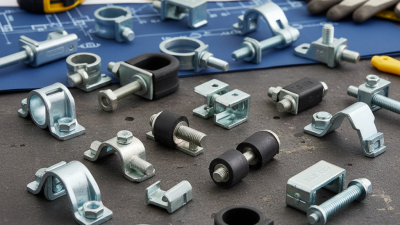
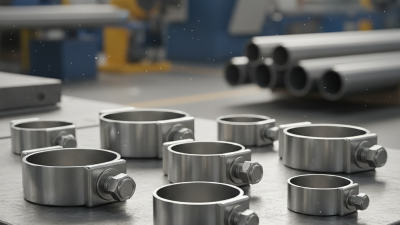
A single bolt pipe clamp is a simple yet effective tool for securing pipes. The clamp consists of several essential components that work together. The main parts include a clamp body, a bolt, and a nut. The clamp body is designed to encircle the pipe, providing support and stability. Its shape often resembles a C or U, enabling a snug fit around various pipe diameters. The bolt runs through a hole in the clamp body and secures it tightly against the pipe.
The bolt and nut combination is crucial for adjusting the clamp's grip. When you turn the nut, it tightens the bolt, compressing the clamp around the pipe. This design allows for quick installation and adjustment. The materials used for clamps can vary, but most are made from steel or durable plastic. These materials ensure the clamp can withstand pressure and various environmental conditions.
It's worth noting that while single bolt clamps are user-friendly, improper installation can lead to leaks or damage. Ensuring the right size for the pipe is vital. A clamp that’s too tight can crush the pipe, while a loose clamp may not secure it properly. Always take time to measure and adjust correctly to avoid future issues.
Installation Process for Single Bolt Pipe Clamps
Single bolt pipe clamps are essential in various piping systems. Their installation process is straightforward but requires attention to detail. Start by selecting the right clamp size for your pipe diameter. According to recent industry reports, incorrect sizing can lead to leaks and system failures in up to 30% of installations. It is vital to ensure a snug fit without overtightening.
Begin the installation by positioning the clamp around the pipe at the desired location. Use a wrench to tighten the bolt until secure. Aim for a torque specification that aligns with the manufacturer's recommendations. Over-tightening can damage the pipe or the clamp. Conversely, inadequate tightening may lead to sagging or misalignment. Always double-check your work after installation.
**Tips:** Always inspect the clamp and surrounding area for corrosion or damage before installation. Ensuring the cleanliness of the surface where the clamp attaches can also improve grip and stability. Regular maintenance checks can prevent unexpected breakdowns, ultimately saving time and costs in the long run. Remember, careful installation is key to achieving a reliable piping system.
Usage Frequency of Single Bolt Pipe Clamps by Application
Common Applications of Single Bolt Pipe Clamps
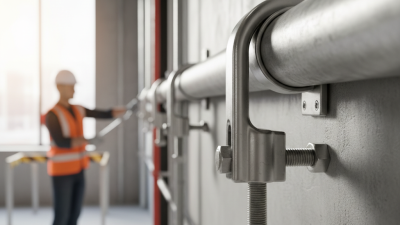
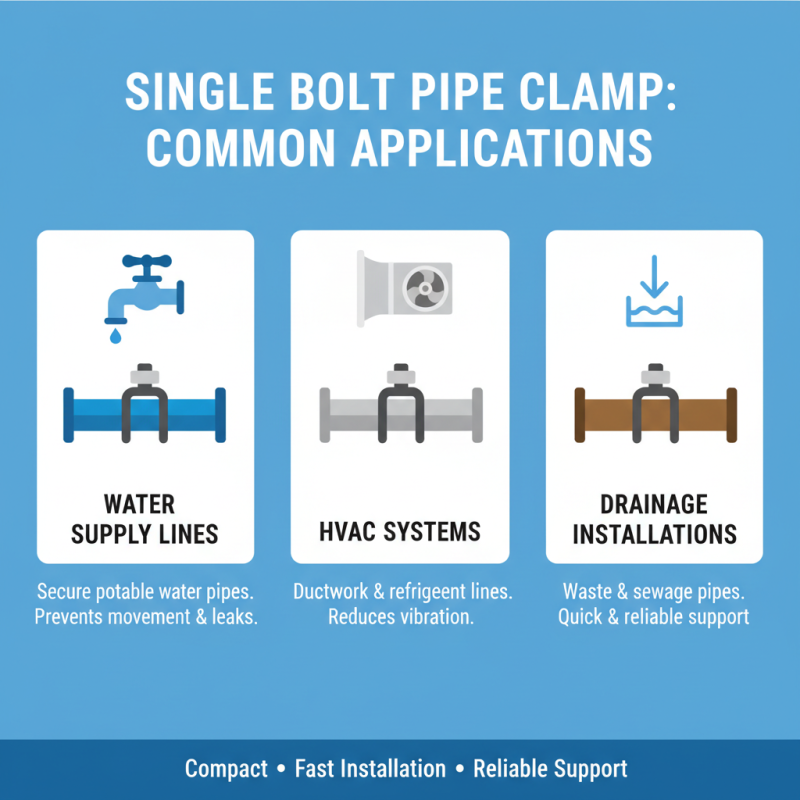
Single bolt pipe clamps are essential tools in various plumbing and industrial applications. They offer a reliable way to secure pipes, ensuring minimal movement and leakage. These clamps are typically used in scenarios where space is tight or when quick installation is required. You can find them in water supply lines, HVAC systems, and drainage installations.
In HVAC systems, single bolt pipe clamps are frequently employed to support ductwork. Properly mounted clamps reduce vibrations, enhancing system efficiency. In plumbing, they hold pipes firmly in place, preventing leaks. This simple, yet effective component is also crucial in construction projects. Builders use them to secure pipes during installation, ensuring safety and functionality. The versatility of single bolt pipe clamps makes them invaluable in many settings.
However, improper use can lead to problems. Clamps that are too tight can damage pipes, while those that are loose may not provide adequate support. It's important to regularly check their condition. Single bolt pipe clamps offer a straightforward solution but require careful application and maintenance.
Benefits of Using Single Bolt Pipe Clamps in Various Industries
Single bolt pipe clamps are essential components in various industries. These clamps provide a secure method for holding pipes and tubing in place. Industries such as construction, automotive, and manufacturing utilize these clamps extensively due to their reliability and efficiency. According to a report by the American Society of Mechanical Engineers, improper pipe support can lead to significant operational failures, highlighting the importance of effective solutions like single bolt pipe clamps.
Using single bolt clamps offers numerous benefits. They are easy to install and require minimal tools, saving time during assembly. The simplicity of their design reduces installation errors, which can compromise safety. Additionally, they accommodate a variety of pipe sizes. A report from the National Association of Manufacturers indicates that proper pipe support can increase the lifespan of piping systems by up to 25%. However, the clamp's effectiveness can diminish if installed incorrectly. Regular inspections are necessary to avoid potential leaks or failures.
Another advantage is their cost-effectiveness. Single bolt pipe clamps are generally less expensive than multi-bolt options. This affordability makes them an attractive choice for large-scale projects. Nevertheless, companies must remain vigilant about the quality of materials. Low-grade clamps can result in catastrophic failures. A study by the International Journal of Engineering Research found that the choice of materials influences the durability of pipe clamps greatly. Adopting higher-quality single bolt clamps could mitigate risks and enhance overall operational efficiency.
What is a Single Bolt Pipe Clamp and How is it Used? - Benefits of Using Single Bolt Pipe Clamps in Various Industries
| Industry |
Application |
Benefits of Using Single Bolt Pipe Clamps |
| Construction |
Supporting pipes and ductwork in buildings |
Easy installation and adjustment, reduces material cost |
| Oil & Gas |
Securing pipes for transportation of fluids |
Durable and able to withstand high pressures |
| HVAC |
Mounting and securing duct systems |
Noise reduction and vibration isolation |
| Water Treatment |
Holding water pipes in treatment plants |
Corrosion resistance and reliability |
| Manufacturing |
Supporting process piping |
Reduced installation time and labor costs |