Top Quality Single Bolt Pipe Clamp for Global Buyers?
In the ever-evolving world of plumbing and construction, the "Single Bolt Pipe Clamp" stands out as a crucial component. Experts like John Smith, a renowned engineer with over twenty years of experience, emphasize its importance: "A reliable pipe clamp can make or break a project's integrity." The Single Bolt Pipe Clamp not only provides a secure connection but also ensures system longevity.
These clamps come in various materials, suitable for diverse applications. Their design often allows for quick installation and adjustment, making them a favorite among contractors. However, one must also be cautious. Not all single bolt clamps meet the highest safety standards, which can lead to issues down the line. The right choice requires understanding specific requirements and project needs.
Further complicating the selection process is the vast array of options on the market. Buyers may find themselves overwhelmed by choices that vary in quality and price. Thus, navigating this landscape requires both expertise and diligence. Ultimately, the focus should be on quality and reliability to ensure successful outcomes in any plumbing endeavor.
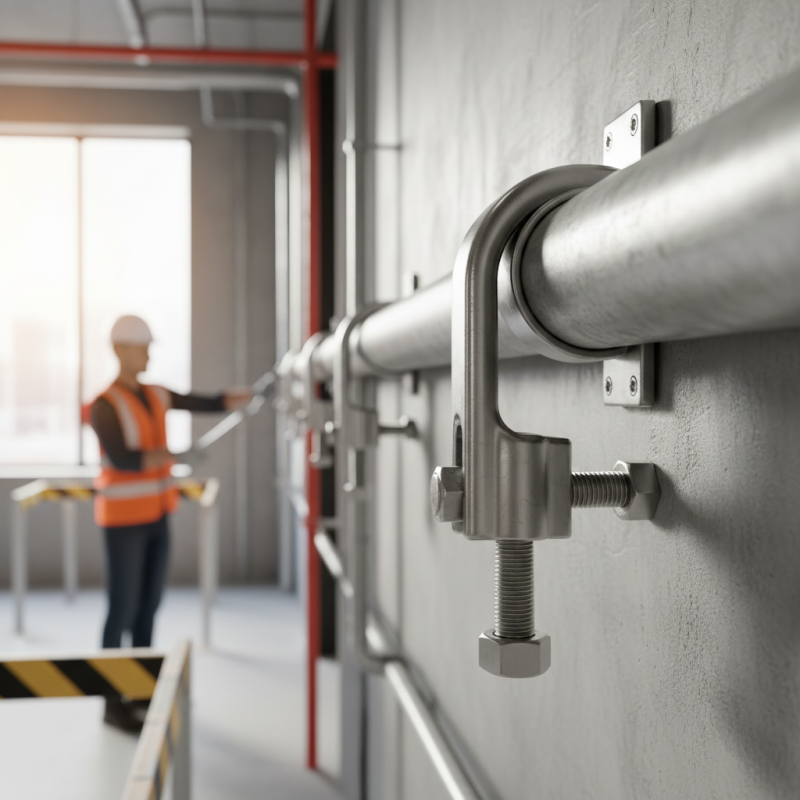
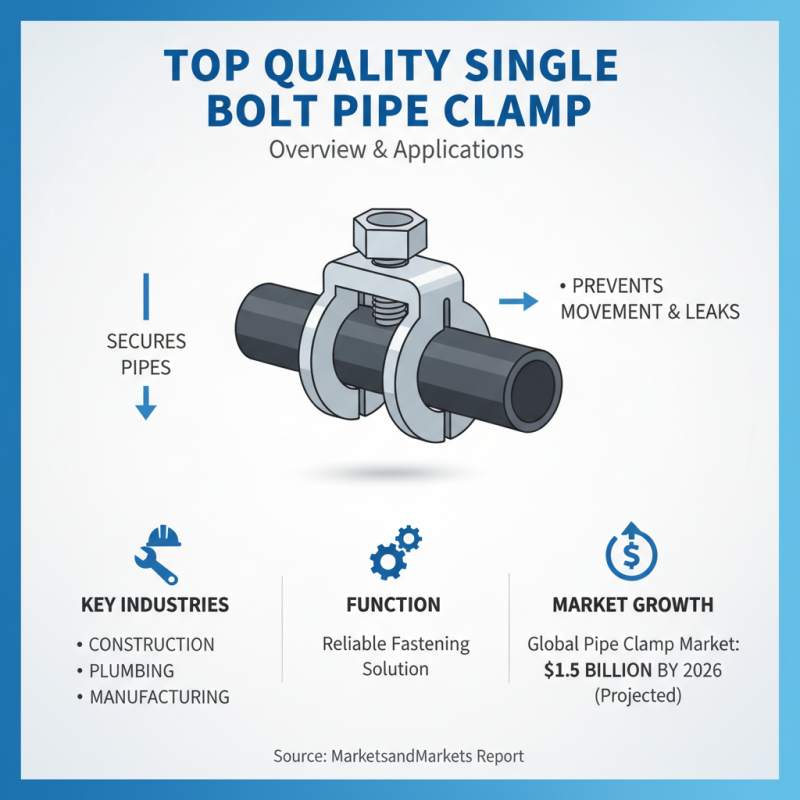
Top Quality Single Bolt Pipe Clamp: Overview and Applications
Single bolt pipe clamps are crucial in various industries, including construction, plumbing, and manufacturing. These clamps secure pipes in place, preventing movement and potential leaks. According to a report by MarketsandMarkets, the global pipe clamp market is projected to reach $1.5 billion by 2026, highlighting the growing demand for reliable fastening solutions.
In practical applications, these clamps are used to connect pipes in HVAC systems, plumbing installations, and oil and gas industries. A study from Technavio indicates that the construction sector will drive significant growth, with a projected CAGR of 5% through 2024. However, despite the apparent reliability of single bolt clamps, challenges remain in ensuring optimal installation practices. Misalignment during installation can lead to stress and eventual failure.
Moreover, maintenance is often overlooked. Regular inspections can prevent issues like corrosion, which affects the integrity of the clamp. Industry reports suggest that inadequate maintenance is a common pitfall, leading to unnecessary replacements and costs. Therefore, understanding the application specifics and adhering to best practices is essential for effective usage.
Material Specifications for High-Performance Pipe Clamps
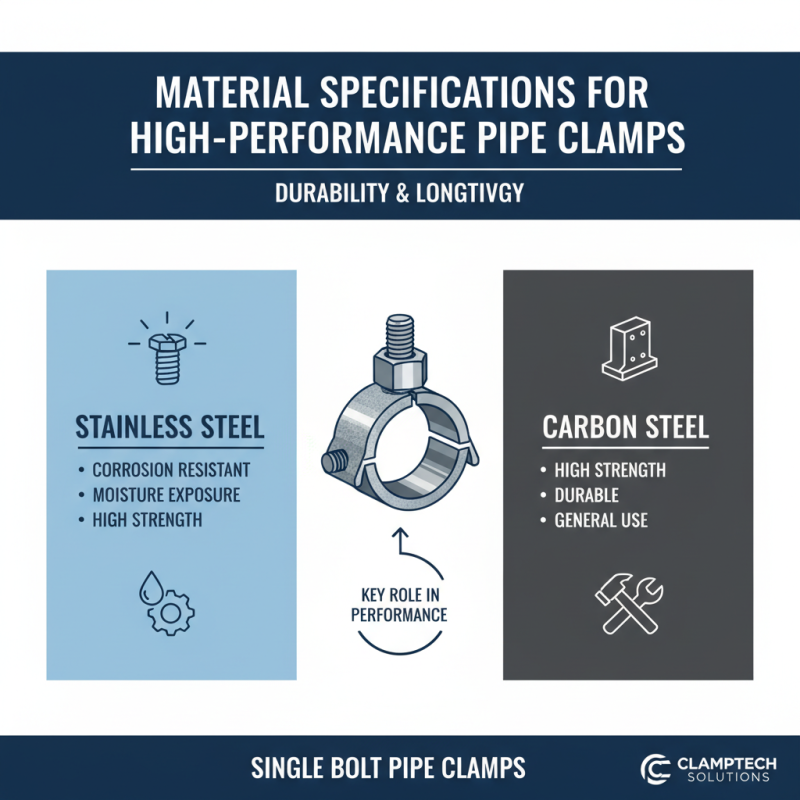
When selecting a single bolt pipe clamp, material specifications play a crucial role in performance. High-quality clamps are often made from durable materials like stainless steel or carbon steel. These materials offer excellent corrosion resistance and strength. Stainless steel, in particular, is favored in environments exposed to moisture. The choice of materials directly affects the clamp's longevity and functionality.
High-performance pipe clamps must also consider design and manufacturing standards. Good design ensures an effective grip without damaging the pipe. Many clamps feature rubber linings for added protection. This small detail can prevent rust and wear over time, which is often overlooked by buyers. Some might underestimate how essential a proper fit is for operational efficiency.
While many clamps seem adequate at first glance, subtle differences matter. It’s important to review and compare specifications carefully. A clamp that fits poorly might lead to leaks or structural issues. Seeking out trusted suppliers can ensure that the right material is consistently used. However, reliance on suppliers must be balanced with personal research and understanding. This approach prevents potential regret over a decision made in haste.
Market Trends: Demand for Single Bolt Pipe Clamps Worldwide
Single bolt pipe clamps are gaining traction in the global market. These clamps offer a simple yet effective solution for securing pipes. As industries expand, the demand for reliable pipe fittings rises. In construction, oil & gas, and manufacturing, these clamps provide necessary stability.
Market trends indicate a shift toward durable materials and innovative designs. Buyers seek clamps that can withstand various environmental conditions. Stainless steel and high-strength plastics are becoming more popular. Yet, there remains a challenge in ensuring product quality across different suppliers. Buyers must be vigilant about sourcing practices and material certifications.
Global buyers often face inconsistencies in product quality. Some clamps perform well under specific conditions, while others do not. This variability can lead to operational risks. Industry experts emphasize the importance of thorough testing and quality assurance measures. Reliable suppliers often showcase certifications, providing assurance to buyers. Investing time in vetting suppliers can protect against costly errors.
Key Manufacturers and Their Innovations in Pipe Clamps
The global market for pipe clamps is evolving rapidly, driven by the need for better industrial solutions. According to a recent report by MarketsandMarkets, the pipe clamp market is projected to grow from USD 1.5 billion in 2022 to USD 2.0 billion by 2027, at a CAGR of 5.1%. Innovations in single bolt pipe clamps are essential for meeting industry demands. The design improvements focus on efficiency and durability, catering to various sectors like construction and manufacturing.
Key manufacturers are introducing unique features in their single bolt pipe clamps. Enhanced materials are being utilized to resist corrosion and withstand extreme temperatures. For instance, the use of stainless steel and high-density polymers improves strength. Some companies are experimenting with ergonomic designs for easier installation. In addition, customizable options allow for more tailored solutions for unique applications.
Despite these advancements, there still exist areas for improvement in the sector. Many manufacturers face challenges in maintaining cost-effectiveness while enhancing product quality. Some innovations may not yet be fully tested for long-term reliability. This reflects a need for continuous feedback from users to ensure the best practices are adopted. Investing in R&D should be a priority for those who aspire to lead in this competitive market.
Top Quality Single Bolt Pipe Clamp Sales by Region in 2023
This chart displays the sales volume of single bolt pipe clamps across different regions in 2023. The data illustrates the increasing demand for high-quality pipe clamps in the construction and manufacturing industries.
Comparative Analysis of Single Bolt vs. Multi-Bolt Clamps
Single bolt pipe clamps and multi-bolt clamps serve crucial roles in various piping applications.
Single bolt clamps are simpler and quicker to install. They usually require less hardware, making them a popular choice for quick fixes.
However, they may not provide the same level of security and load distribution as their multi-bolt counterparts.
Multi-bolt clamps often offer enhanced stability. Their design allows for better torque distribution across the joint, which is essential for high-pressure systems. Users often report fewer leaks with multi-bolt options. However, they can be more complex to install and may demand additional time and effort.
When considering which clamp to use, it’s vital to evaluate specific needs. Are you working in a high-pressure system or a lightweight application?
Think about factors like installation ease versus reliability. Each choice comes with trade-offs, and thoughtful consideration can lead to improved outcomes in your piping projects.