How to Choose the Best Pipe Clamp Holder for Your Needs?
When selecting a Pipe Clamp Holder, understanding your specific needs is essential. The global pipe support market is projected to reach $4.1 billion by 2026, reflecting a significant demand. Choosing the right tools can enhance productivity and safety in construction and manufacturing.
Pipe Clamp Holders offer critical support for various applications, from plumbing to automotive. Their reliability directly affects project outcomes. In fact, a recent report highlighted that improper securing leads to 20% of all mechanical failures. Therefore, selecting a suitable holder is not only about preference but ensuring safety and efficiency.
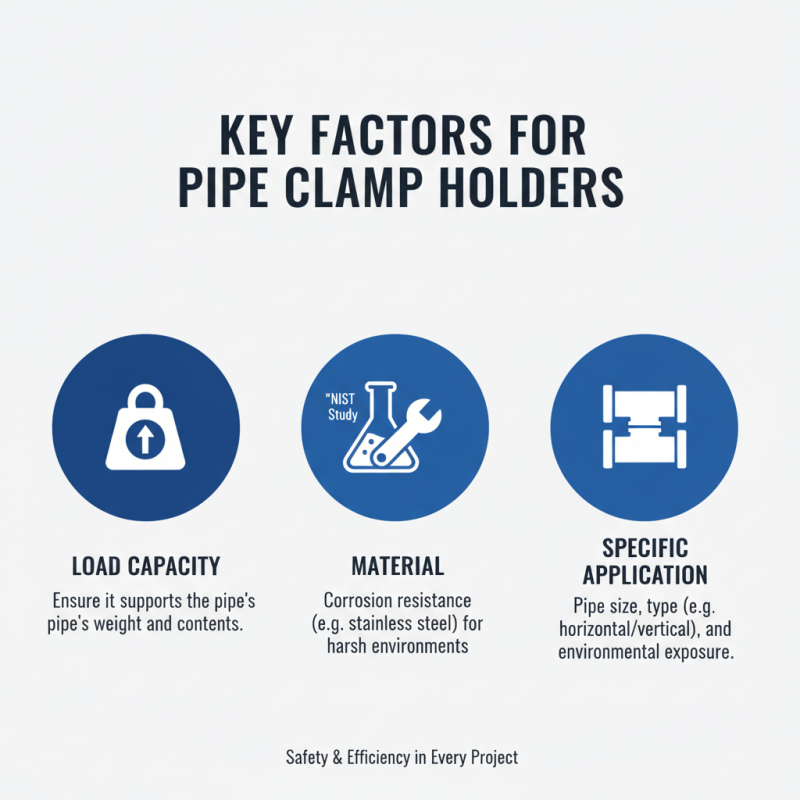
Consider factors such as material durability, load capacity, and ease of use. Make sure the Pipe Clamp Holder fits your requirements. Engage with user reviews and expert recommendations to guide your purchase. Sometimes, trial and error may reveal the best choice. Balancing personal experience with industry insights is valuable in this decision-making process.
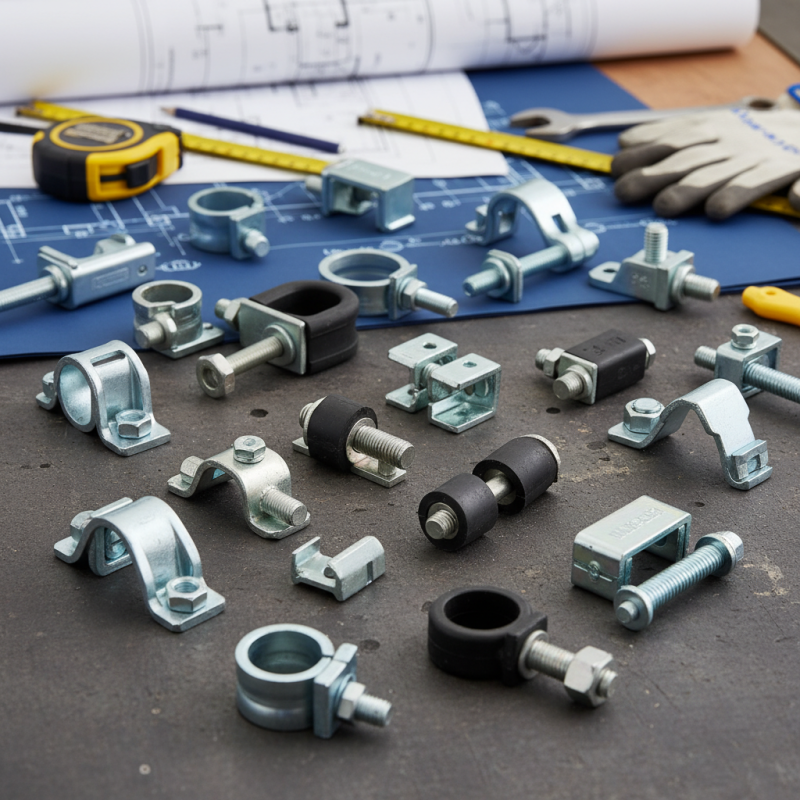
Understanding the Different Types of Pipe Clamp Holders Available
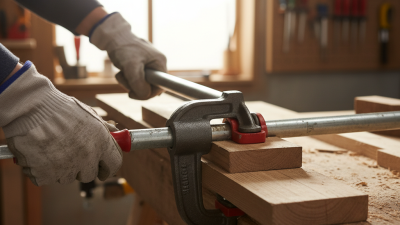
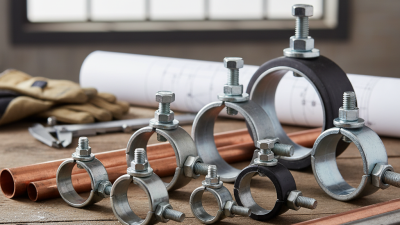
When choosing a pipe clamp holder, it’s essential to know the different types available. There are basic designs like C-clamps and toggle clamps. C-clamps are versatile and suitable for most projects. They offer good grip and stability for various pipe sizes.
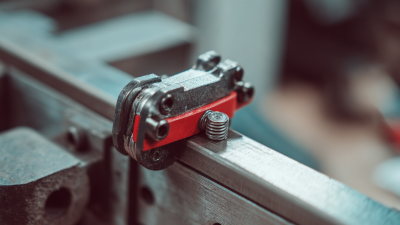
Toggle clamps, on the other hand, are quick to adjust. They are beneficial when you need to clamp and release frequently.
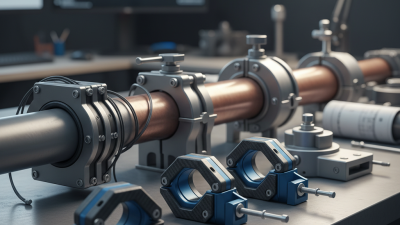
Another option is the band clamp. They fit around the pipe and distribute pressure evenly. These are ideal for larger piping or irregular shapes. Some users appreciate the stability they provide. However, they may take longer to set up.
Lastly, consider adjustable clamps. They can fit different sizes and shapes, appealing to those with multiple needs. But with so many options, it can get a bit overwhelming. It's important to assess your specific requirements carefully. This reflection will guide you toward the most suitable choice. Balancing versatility with stability may not be easy, but it can lead to better outcomes in your projects.
Material and Design Specifications for Optimal Performance
When selecting a pipe clamp holder, material and design matter. The right choice can enhance performance significantly. Look for durable materials like stainless steel or aluminum. These materials resist corrosion and offer long-lasting use. Additional features such as rubber padding can prevent surface damage and ensure a secure grip.
Tip: Always check the weight capacity before buying. A clamp that can’t hold the load can lead to disastrous results.
Design is equally crucial. Ergonomic shapes enhance usability and comfort. Consider the size of the pipes you’ll be working with. Adjustable clamps offer flexibility for different pipe diameters. Be aware of the tension adjustment mechanism. Complicated systems can become a hassle during projects.
Tip: Test the clamp adjustments to find the right fit. A poorly fitting clamp may not hold your work safely.
Analyzing the Load Capacity and Durability of Pipe Clamps
When choosing a pipe clamp holder, analyzing load capacity and durability is essential. Load capacity refers to the maximum weight a clamp can hold without compromise. It's vital to assess the materials you will be using and their weight. For instance, if you're working with heavier pipes, opt for clamps made from high-grade steel or reinforced materials. These choices enhance reliability under substantial loads.
Durability also plays a critical role in your selection. Consider the environmental conditions where the clamp will be used. High humidity or exposure to chemicals can degrade lower-quality materials. Rust-resistant finishes add longevity but may not be sufficient for extreme conditions. It’s worth evaluating the wear and tear observed in various settings. That way, you will understand the real-world performance of your chosen clamps.
The importance of adequate load testing cannot be overstated. Many users overlook this step. Relying solely on advertised specifications can lead to risky installations. Observations from others in similar applications might provide insight into a clamp’s real capabilities. Collecting feedback from various users, including potential downsides, can refine your choice. This cautious approach enhances both safety and efficiency in your projects.
Load Capacity and Durability of Pipe Clamps
Cost-Benefit Analysis of Various Pipe Clamp Holder Options
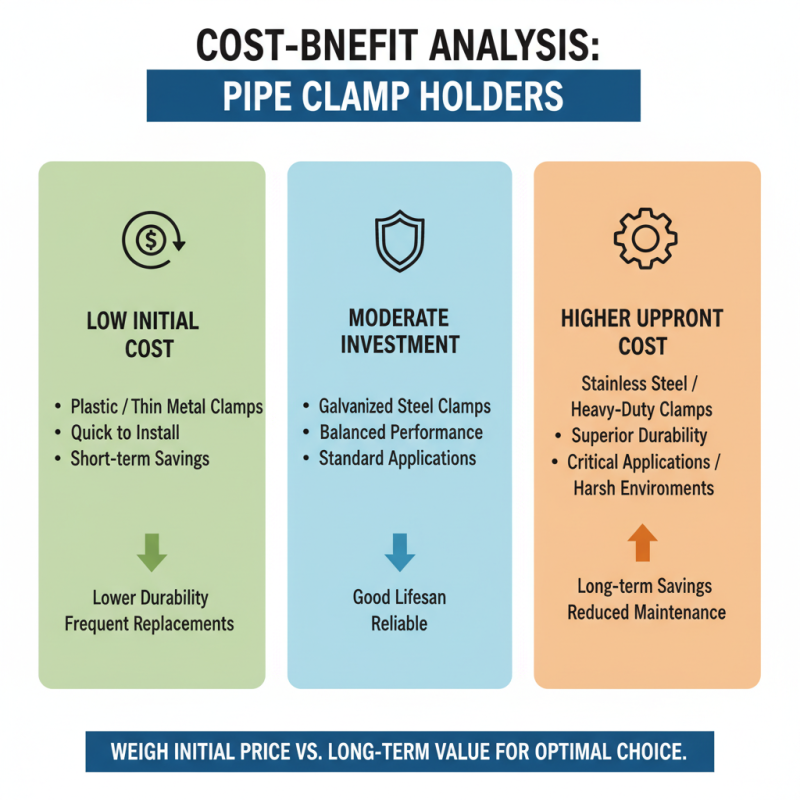
When considering pipe clamp holders, a cost-benefit analysis is essential. Different types vary in price and functionality. Some options may seem cheaper at first glance but lack durability. It's vital to weigh initial costs against long-term investment. A robust, reliable clamp may save money on replacements over time.
Tips: Look for materials that offer strength and resistance to corrosion. Steel and aluminum are common choices. Assess how often you’ll use the holder. For regular use, investing in a premium holder makes sense. Consider the size range of pipes you will be working with to ensure compatibility.
Not all pipe clamps are suitable for every task. Some may require adjustment for specific applications. Research options thoroughly. Read reviews and seek advice from experienced users. Often, more expensive options bring added features, such as easy adjustments or clamps designed for high pressure. Take time to compare your choices before making a decision.