How to Choose the Right Pipe Support Brackets?
Choosing the right Pipe Support Brackets is not a minor purchasing decision. It affects alignment, vibration control, thermal movement, maintenance access, and long-term safety. A bracket that looks strong may still fail when temperature changes, fluid weight, or pipe movement are ignored. The real question is practical: what will this pipe experience after installation?
Dr. Walter H. Houghton, a senior piping systems engineer, offers a useful principle: “Support the pipe where its movement, weight, and temperature demand it—not where installation feels convenient.” This idea should guide every selection. Engineers should examine pipe diameter, operating temperature, material, insulation thickness, load direction, spacing, and attachment conditions. A carbon-steel bracket may suit a dry utility line, but it could be unsuitable near corrosive chemicals or high-temperature equipment. Small details matter. A sharp contact edge can damage insulation. Poor clearance can restrict expansion. An undersized anchor can transfer unwanted stress into connected equipment.
Field experience also reveals an uncomfortable truth: drawings are not always perfect. Site conditions change. Welds shift slightly. Access becomes limited. That is why reliable selection combines calculations with inspection and professional judgment. Review manufacturer load tables, applicable engineering standards, and the actual installation environment before approval. Do not choose only by price or appearance. The cheapest bracket can create expensive vibration, cracking, or repeated maintenance later.
This guide explains how to compare Pipe Support Brackets by load capacity, movement control, materials, installation method, and service conditions. It also highlights common selection mistakes, because even experienced teams occasionally overlook the details that matter most.
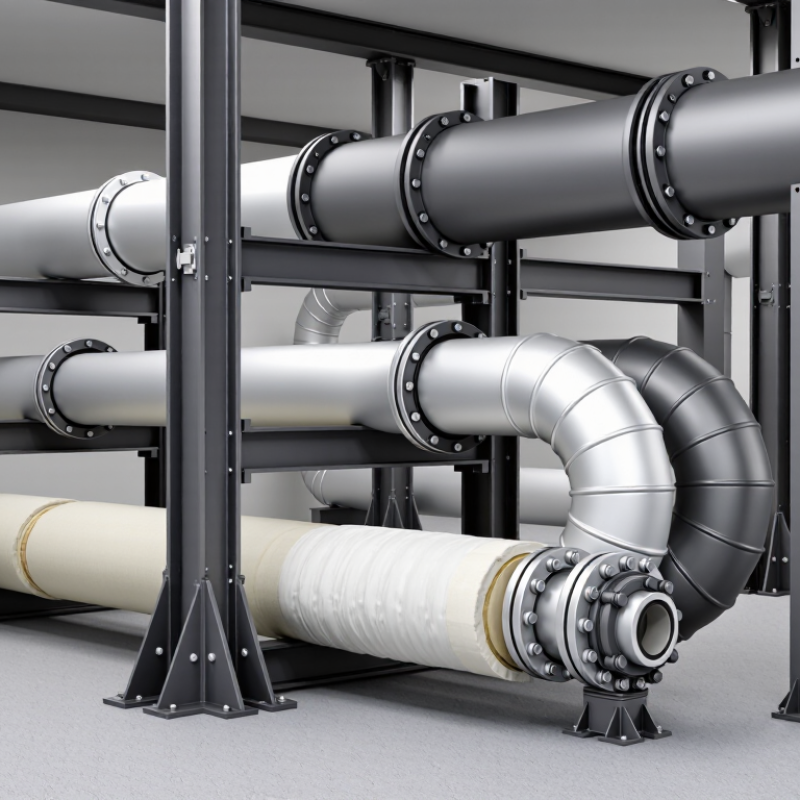
Pipe Support Brackets: Purpose, Types, and Essential Functions
How to Choose the Right Pipe Support Brackets?
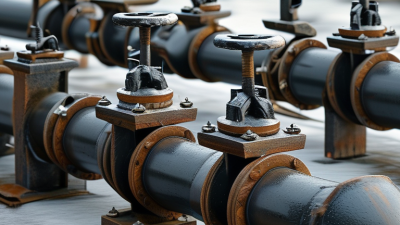
Pipe support brackets carry more than pipe weight. They control alignment, reduce vibration, and protect connected equipment from unwanted stress. In practice, support selection begins with load, pipe diameter, temperature, insulation thickness, and movement. A small water line may need a pipe clamp or U-bolt. Larger systems often require clevis hangers, roller supports, or reinforced strut brackets. Hot pipes need room to expand. Fixed supports restrain movement, while sliding supports guide it. Choosing the wrong type can create noise, sagging, or cracked joints.
Tips: Check the load rating, material compatibility, and support spacing before installation. Measure the insulated pipe, not only the bare pipe. Look for corrosion risks near wet areas. A bracket that appears oversized is not automatically safer; its anchor and structure must also carry the load. Field inspections often reveal loose fasteners or uneven contact, even in carefully designed systems. I have found that small alignment errors become expensive later. That detail is easy to underestimate. For complex systems, compare calculations with applicable engineering standards and request a qualified review. Leave enough clearance for inspection, drainage, and thermal movement.
Assessing Pipe Material, Size, Weight, and Operating Conditions
How to Choose the Right Pipe Support Brackets?
Pipe material changes both load and corrosion risk. ASME B36.10M lists a 2-inch Schedule 40 carbon-steel pipe at about 5.44 kg/m. Water adds roughly 2.17 kg/m. A 4-inch equivalent carries about 16.07 kg/m before fluid weight. These figures show why nominal diameter alone is unreliable. Plastic pipes weigh less, but they may need wider bearing surfaces and tighter control of deflection.
Size matters.
Review outside diameter, wall thickness, insulation, valves, and flanges. MSS SP-58 provides guidance on support types and selection factors. It also highlights movement, temperature, and attachment conditions. A support that suits a dry utility line may fail on a hot process pipe.
For a 30-meter carbon-steel line, a 180°C temperature rise can create roughly 65 mm of thermal expansion, using a typical expansion coefficient of 12 × 10⁻⁶/°C. ASME B31.3 flexibility analysis should confirm the movement path and restraint loads.
Operating conditions often expose weak assumptions. Check pressure, temperature cycles, vibration, water hammer, wind, seismic effects, and external corrosion. I have seen calculations omit insulation weight. That mistake was small on paper, but costly during installation. A spreadsheet can still mislead when field welds or crowded racks change the load path. Use the manufacturer’s pipe data, verified project loads, and actual support spacing. Recheck every bracket near pumps, elbows, reducers, and expansion devices.
Matching Bracket Designs to Pipe Layouts and Installation Environments
Choosing the right pipe support bracket starts with the pipe layout, not the bracket catalog. A straight horizontal run often needs clevis-style supports with regular spacing. Vertical risers need guides, anchors, and load-bearing supports near direction changes. Elbows, valves, and flanges can create concentrated loads, so treating every section equally is a common mistake. ASME B31.1 and B31.3 require engineers to consider weight, thermal movement, vibration, and flexibility during piping design.
Installation conditions matter just as much. In wet rooms, use corrosion-resistant finishes and avoid trapping water behind the bracket. In insulated systems, select supports that protect the insulation jacket and prevent thermal bridging. Outdoor layouts may require wider load plates because wind and weather increase movement. NFPA 13, 2022, links hanger spacing to pipe material, diameter, and seismic conditions; its tables should guide sprinkler installations instead of informal spacing rules. MSS SP-58 also provides established practices for support selection and attachment details.
Tips:
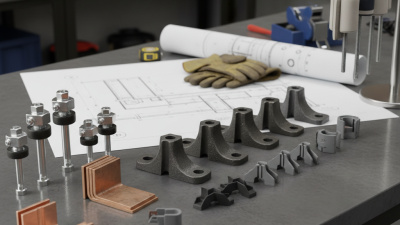
Mark anchors, guides, and sliding points directly on the layout before ordering hardware. Check the full operating load, not only the empty-pipe weight. Leave clearance around insulation and allow movement at expansion loops. A field check can reveal an overlooked beam, drain slope, or access problem. I have seen neat drawings fail because the support location blocked maintenance access. Rechecking the installation environment is slower, but usually cheaper than modifying brackets later.
Evaluating Load Capacity, Durability, Corrosion Resistance, and Safety
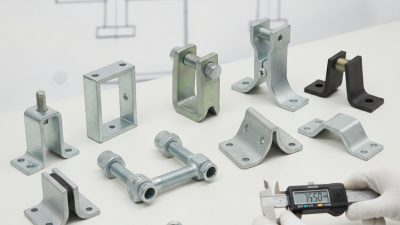
Choosing pipe support brackets starts with the actual load, not the bracket’s appearance. Calculate the pipe weight, fluid weight, insulation, valves, fittings, vibration, and thermal movement. A bracket that looks oversized may still fail at its anchor. Standards such as ASME B31.1, ASME B31.3, and MSS SP-58 provide useful design guidance, but project-specific engineering remains essential. Check the manufacturer’s tested working load, deflection limits, and safety factor. Do not treat a catalog value as a guaranteed field result. Poor installation can change everything.
Durability depends on movement, temperature, moisture, and maintenance access. A support beside a steam line needs different protection from one installed above a washdown area. AMPP’s IMPACT study estimated global corrosion costs at about $2.5 trillion annually, equal to roughly 3.4% of global GDP. That figure makes surface protection more than a cosmetic choice. Select coatings or stainless materials according to the exposure, and prevent galvanic contact between dissimilar metals. Inspect welds, anchors, threads, and contact points for rust, cracking, or distortion. Small details matter.
Safety must remain visible.
Use secure clamps, rounded edges, and stable anchors. Allow calculated thermal movement without letting the pipe slide unexpectedly. I have seen clean installations hide loose fasteners and compressed insulation. Recheck them after commissioning. The uncomfortable truth is that support selection is often based on habit, while actual loads change during operation. Record those changes, and revise the support design when conditions no longer match the original calculation.
Selecting, Installing, and Maintaining the Most Suitable Pipe Brackets
How to Choose the Right Pipe Support Brackets
Selecting suitable pipe brackets starts with the operating conditions, not appearance.
Check pipe weight, insulation, fluid temperature, vibration, corrosion, and movement. ASME B31.3 and MSS SP-58 provide widely used guidance for piping design and support selection. Thermal movement deserves attention. The U.S. Department of Energy’s Industrial Decarbonization Roadmap reports that process heating represents about 51% of energy use in U.S. manufacturing. High-temperature lines may expand significantly, so sliding supports, guides, or anchors must be placed deliberately. A fixed bracket can restrain movement and create stress at joints. Small details matter.
Installation quality is equally important.
I have seen brackets installed firmly, yet misaligned with the pipe centerline. That mistake can transfer loads into valves and equipment. Use verified load calculations, suitable fasteners, and corrosion-resistant materials. Keep supports clear of welds when practical. Inspect gaps, bolts, coatings, and contact points during commissioning. The U.S. Department of Energy’s Operations and Maintenance Best Practices guide links preventive inspections with improved equipment reliability, although it does not replace an engineered inspection plan.
Tips:
Mark support locations before lifting the pipe. Check expansion after startup. Look for rubbing, sagging, unusual noise, or damaged insulation. Recheck supports after vibration events or process changes. A bracket may look secure and still be wrong. That is where experience needs humility. Record inspection dates, observed movement, and corrective actions. Calculations should be reviewed by a qualified piping engineer, especially for elevated temperatures, heavy valves, or critical service.