Essential Tips for Choosing the Best Pipe Support Brackets?
Choosing the right pipe support brackets is crucial for any piping system. Accurate selection can significantly affect the longevity and efficiency of the installation. According to a recent industry report by the Piping Support Association, poor bracket choices lead to 30% higher maintenance costs over the lifespan of a project. Experts emphasize that these selections should not be made lightly.
"Selecting the correct pipe support brackets is an essential part of any piping design," states Dr. James Miller, a leading specialist in pipe systems. His insights remind us that inadequate support can lead to unintended stress on the pipes. This may result in leaks and system failures, which could be avoided with proper choices.
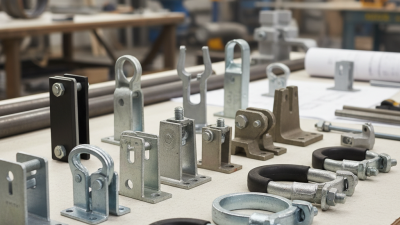
Furthermore, the diversity of available pipe support brackets can be overwhelming. Standardization in this area is lacking, which often leads to confusion. It’s important to approach the selection process thoughtfully. Reflecting on the specific needs of each project will enhance effectiveness and reliability. Selecting the wrong type may cause unforeseen challenges down the line.
Understanding the Importance of Pipe Support Brackets in Construction
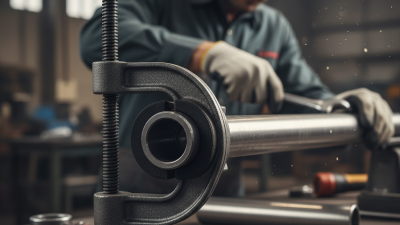
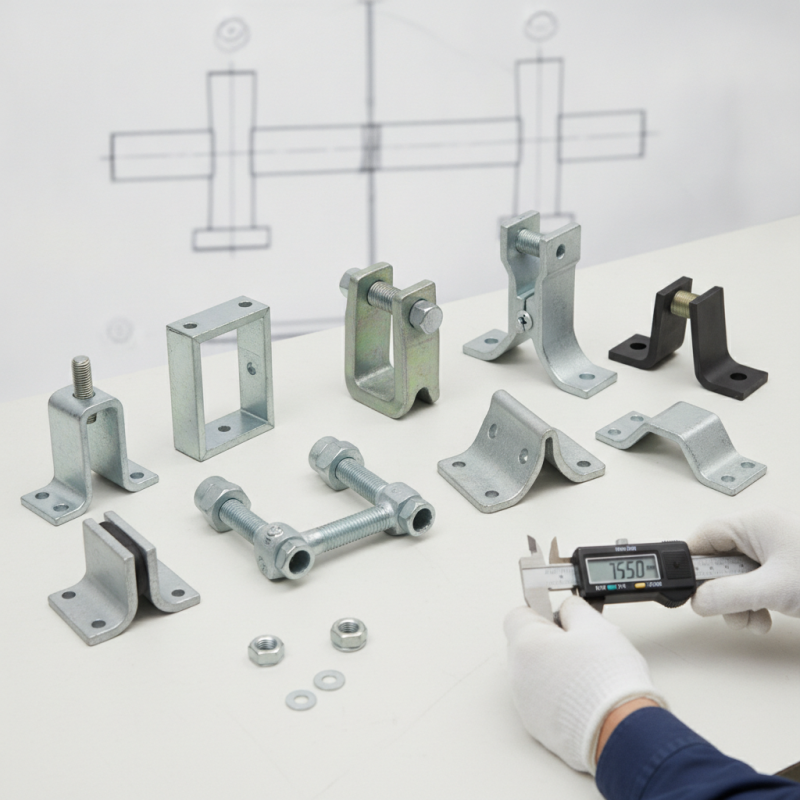
Pipe support brackets play a crucial role in construction environments. They provide stability to piping systems, preventing movement due to thermal expansion or external forces. The materials used can greatly influence their performance. Steel, for example, is often selected for its durability. However, it can rust if not properly coated.
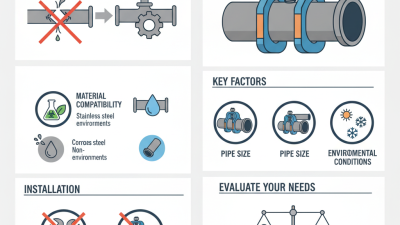
Different projects may require various types of brackets. Some may not be sufficiently tested, leading to inadequate support. This could result in pipe sagging or even failure in severe cases. Undermining the importance of high-quality brackets can have serious consequences. It's essential to evaluate the specific needs of your project.
Proper installation and regular maintenance are equally important. Over time, even the best brackets can wear out. Inspecting them can help identify wear and tear early. If overlooked, this could lead to costly repairs later. Each bracket should be chosen with careful consideration of load and environmental factors. Reflecting on these elements can ensure a more robust piping system.
Key Materials Used in Pipe Support Brackets and Their Advantages
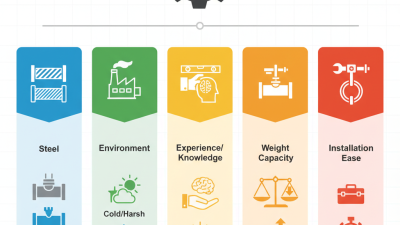
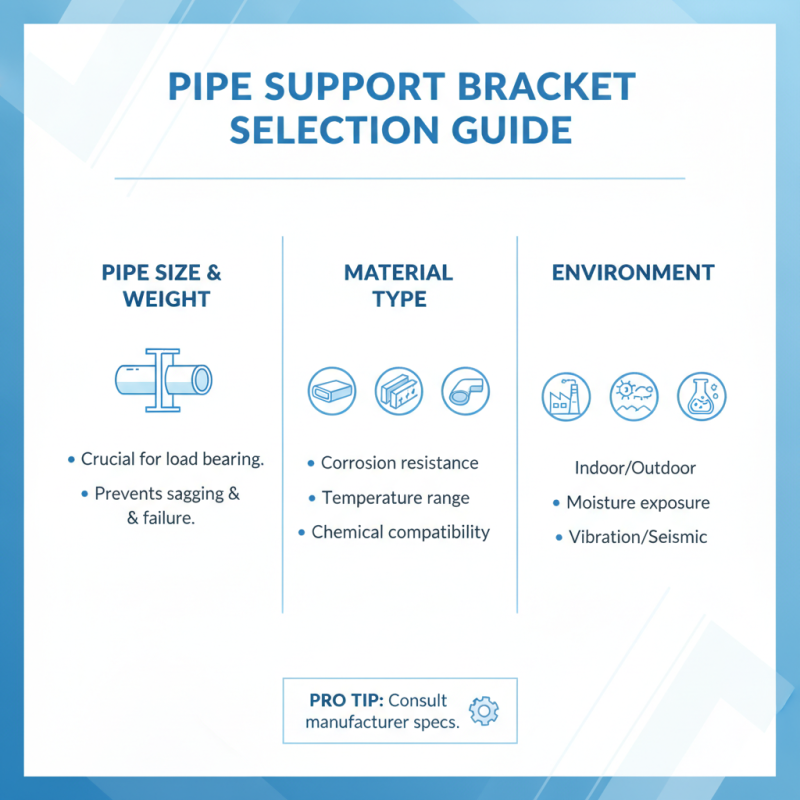
When selecting pipe support brackets, understanding materials is crucial. Common materials include steel, stainless steel, and plastic. Each comes with its own advantages. Steel brackets are strong and durable, suitable for heavy loads. However, they can corrode over time. Stainless steel offers both strength and resistance to rust. It's ideal for moist environments. Plastic brackets are lightweight but may not support heavy pipes.
Choosing the right material affects the longevity and performance of the brackets. For instance, galvanized steel can improve corrosion resistance. This might be important for outdoor applications. Look for materials that align with the pipes' specific requirements.
Consider using brackets that are adjustable. This feature allows for easier installation and future modifications. Check for robust mounting options to secure pipes effectively. Always assess the load capacity. Overloading brackets can lead to failures. If unsure, consult with a professional for tailored advice. Understanding your needs ensures you make an informed decision.
Common Installation Techniques for Pipe Support Brackets
When installing pipe support brackets, a few common techniques can make the process smoother. First, ensure that the brackets are positioned to evenly distribute the weight of the pipes they carry. This prevents sagging and reduces stress on the pipes. An often-overlooked detail is checking for pipe expansion. Pipes expand when heated, so leaving some space in the support design is vital.
Another popular technique involves using the right tools and materials. Pre-drilling holes can help avoid any surface damage during installation. Secure brackets with appropriate fasteners to ensure stability. Sometimes, there is a temptation to use generic fasteners, but this can lead to failures.
Furthermore, proper alignment is crucial. Misaligned brackets can cause uneven support and lead to potential system failures. It's essential to double-check measurements. Installation requires patience and attention to detail. Regularly revisiting the integrity of installed brackets is a practice many tend to ignore. Errors in installation can compromise safety and affect the entire piping system's performance.
Maintenance Tips for Ensuring Longevity of Pipe Support Brackets
Maintaining pipe support brackets is critical for their longevity and effectiveness. Regular inspections can prevent unexpected failures. Studies show that proper maintenance can extend the lifespan of these brackets by 30% or more. For example, one detailed report indicated that neglected brackets are five times more likely to fail within their expected life span.
Cleaning is another essential maintenance task. Accumulated dirt and corrosion weaken brackets over time. Implementing a routine cleaning schedule can help reduce wear. Simple tools like brushes and mild solvents are effective. Moreover, applying protective coatings can further enhance durability, minimizing exposure to harsh environments.
Monitoring for signs of wear and tear is equally important. Look for rust, cracks, or any deformation. Addressing these issues early often prevents larger problems. Awareness in maintenance helps achieve a safer and more reliable piping system. Listening to industry experts can also provide valuable insights. Their experience often uncovers common maintenance pitfalls.