How to Choose the Best Pipe Support Brackets for Your Needs?
Selecting the best Pipe Support Brackets is crucial for any plumbing or construction project. These brackets play a significant role in ensuring the stability and integrity of piping systems. A well-chosen pipe support can prevent damage and extend the life of your pipes.
Understanding the different types of Pipe Support Brackets is essential. Each type serves a specific purpose, varying in load capacities and installation methods. It’s important to match the right bracket to the existing piping material and design. This process can seem complex, requiring careful consideration of both the environment and the stress placed on the pipes.
Many people overlook the importance of quality in pipe support systems. A low-quality bracket might seem like a bargain, but it could lead to costly repairs later. Choosing the right support is more than just checking specifications. It also involves assessing the manufacturer's reputation and the materials used. A reliable bracket will always be worth the investment.
Understanding Different Types of Pipe Support Brackets and Their Uses
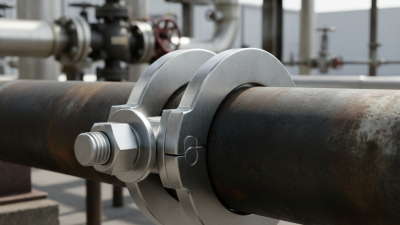
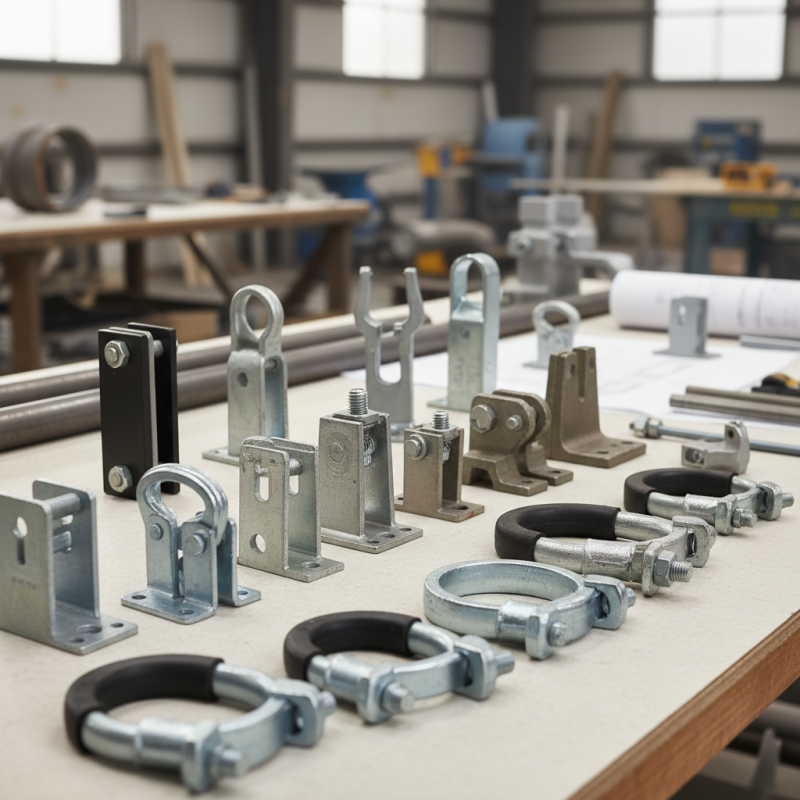
When selecting pipe support brackets, understanding the different types is crucial. There are various brackets designed for specific applications. For instance, u-bolts are often used for securing pipes to a structure. They provide strong support and are easy to install. On the other hand, adjustable brackets allow for height modifications, making them versatile for changing needs.
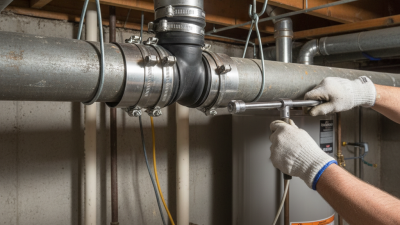
Pipe clamps are another common option. They are ideal for securing pipes in place without causing damage. These clamps can accommodate different pipe diameters. However, their installation can sometimes be tricky, leading to improper alignment. It’s essential to double-check measurements to avoid issues later. In high-temperature environments, specialized brackets made from heat-resistant materials are necessary.
While selecting the right bracket, consider the environment and load requirements. Heavy-duty brackets may be necessary for industrial settings. They're designed to handle more weight, but they can be more expensive. Therefore, evaluating the specific requirements of your project is vital before making a choice. Reflecting on these factors can save time and resources down the line.
Key Factors to Consider When Selecting Pipe Support Brackets
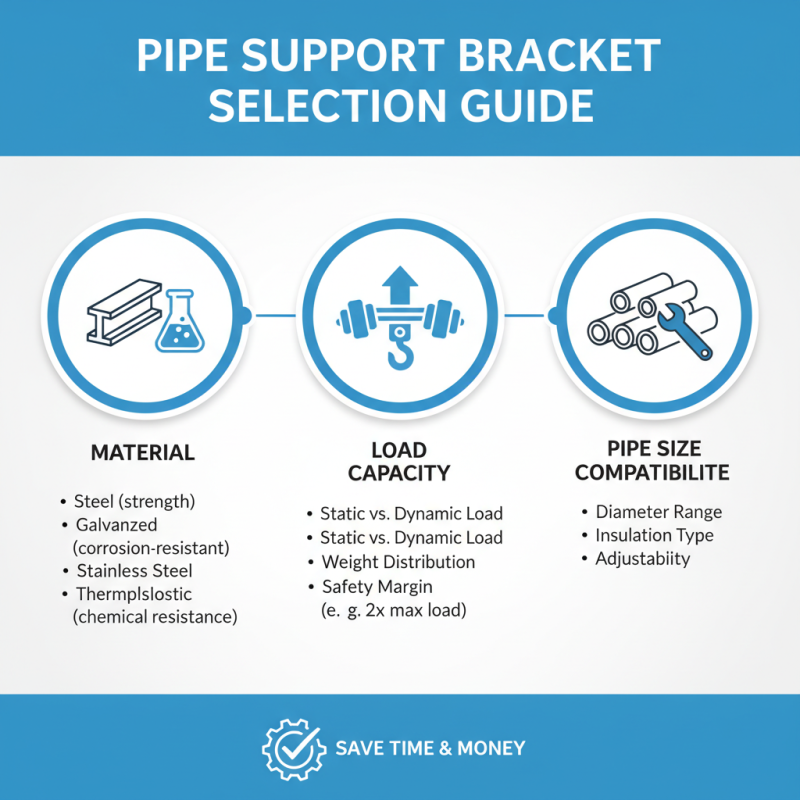
Choosing the right pipe support brackets is crucial for your project’s success. Key factors include the bracket material, load capacity, and compatibility with pipe sizes. Knowledge of these aspects can save you time and money.
Consider the material. Steel is durable but heavy. Aluminum is lighter, but may not hold certain weights. Think about where the brackets will be used. In humid environments, corrosion-resistant materials are essential.
Load capacity is another vital point. Overestimating can lead to unsafe conditions. Underestimating can cause failures. Always check the specifications.
Tip: Measure the pipe diameter accurately before selecting a bracket. A good fit is non-negotiable.
Compatibility matters as well. Some brackets are designed for specific pipe types. Double-check the dimensions and make sure they align with your needs.
Tip: Seek advice from professionals if unsure. Their insights can guide your decision.
Remember, details matter. A small oversight can lead to larger issues. Evaluate each aspect carefully for a successful outcome.
Material Selection: Comparing Steel, Plastic, and Composite Brackets
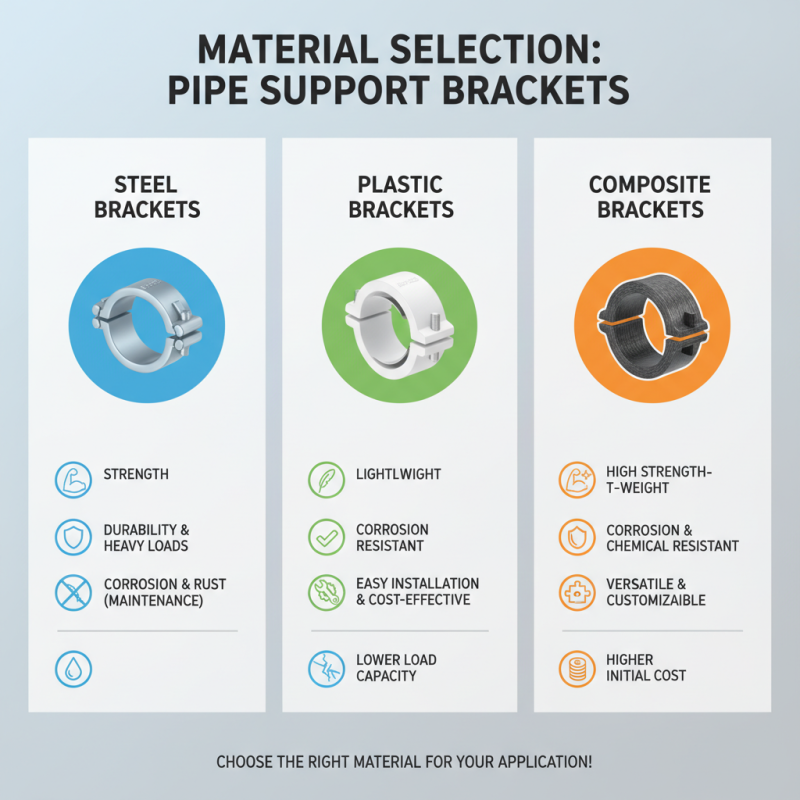
When selecting pipe support brackets, material choice is crucial. Steel, plastic, and composite brackets each have unique strengths and weaknesses. Steel brackets are known for their strength and durability. They can support heavy loads and withstand harsh environments. However, they are prone to corrosion over time. Regular maintenance is needed to prevent rust, which can compromise their integrity.
Plastic brackets are lightweight and resistant to corrosion and chemicals. They are ideal for applications where moisture is a factor. On the downside, they may not handle heavy loads as effectively as steel. Their lifespan can be limited, especially in extreme temperatures. Composite brackets offer a middle ground. They combine the best properties of both materials. They resist corrosion and deliver strength, but they can be more expensive.
Choosing the right bracket involves weighing these factors against your project needs. Consider the environmental conditions and load requirements. Not every option will be suitable for every situation. Evaluating your options thoroughly is essential. Reflection on past choices, both successful and otherwise, can guide you toward a better decision.
Load Capacity and Weight Distribution: Importance in Choosing Supports
When selecting pipe support brackets, understanding load capacity is essential. Each bracket has a specific weight limit based on materials and design. Knowing these limits prevents future failures. A bracket that cannot support the pipe’s weight may result in damage or leaks. It's crucial to evaluate the weight of the pipes accurately.
Weight distribution is another key aspect. Uneven weight can lead to stress on certain brackets, creating a risk of collapse. Properly distributing weight across multiple supports balances the load. This approach helps maintain system stability over time. Consider the installation environment too; factors like temperature and vibration can affect performance.
It's common to overlook minor details during installation. Small miscalculations can lead to bigger issues later. Ensure installation procedures are followed closely. Regular inspection can also reveal potential problems before they escalate. Take the time to analyze all aspects, from weight capacity to installation quality, for successful outcomes.
Load Capacity and Weight Distribution of Pipe Support Brackets
This chart illustrates the load capacity and weight distribution of various types of pipe support brackets. Understanding these metrics is crucial for choosing the right support for specific applications.
Installation Considerations for Pipe Support Brackets in Various Settings
Choosing the right pipe support brackets involves several critical installation considerations. Different environments have unique demands. For instance, in industrial settings, factors like temperature variations and chemical exposure significantly affect material selection. A study by the American Society of Mechanical Engineers (ASME) highlighted that improper support can lead to a 30% increase in maintenance costs. This statistic emphasizes the necessity of well-chosen brackets.
In residential or commercial plumbing, the load capacity of the brackets must match the pipes’ weight. Using brackets that are too weak can cause failures. According to the National Association of Home Builders, nearly 15% of plumbing issues arise from inadequate supports, resulting in costly repairs. When installing, ensure brackets are spaced according to the pipe manufacturer's recommendations. Overlooking this can lead to misalignment and increased stress on the pipes.
Environmental conditions also play a crucial role. In outdoor applications, UV exposure can weaken materials over time. Using weather-resistant options is vital. Yet, many installation guides overlook this aspect. As a result, users often face premature failures. Reflecting on these details is key to improving overall reliability in any installation setting. Attention to each of these factors can lead to better performance and lower long-term costs.