What are Pipe Holders and How to Choose the Right One?
Choosing the right pipe holder is crucial for any plumbing or construction project. Richard Davis, an industry expert with over 20 years of experience, emphasizes, "Selecting the correct pipe holder can make or break the integrity of your installation." His insights shed light on the importance of this often-overlooked accessory.
Pipe holders vary in design, material, and functionality. Understanding these differences is key. For instance, some holders are adjustable, while others are rigid. The material can impact durability and resistance to corrosion. This specificity can affect overall project quality. Poor choices may lead to leaks or structural issues down the line.
Many professionals underestimate their significance. Pipe holders do much more than just keep pipes in place. They ensure safety and efficiency. Selecting a pipe holder isn't just about picking any option. It requires careful consideration of your project's unique needs. A thorough understanding of your choices will enhance performance and longevity.
What is a Pipe Holder?
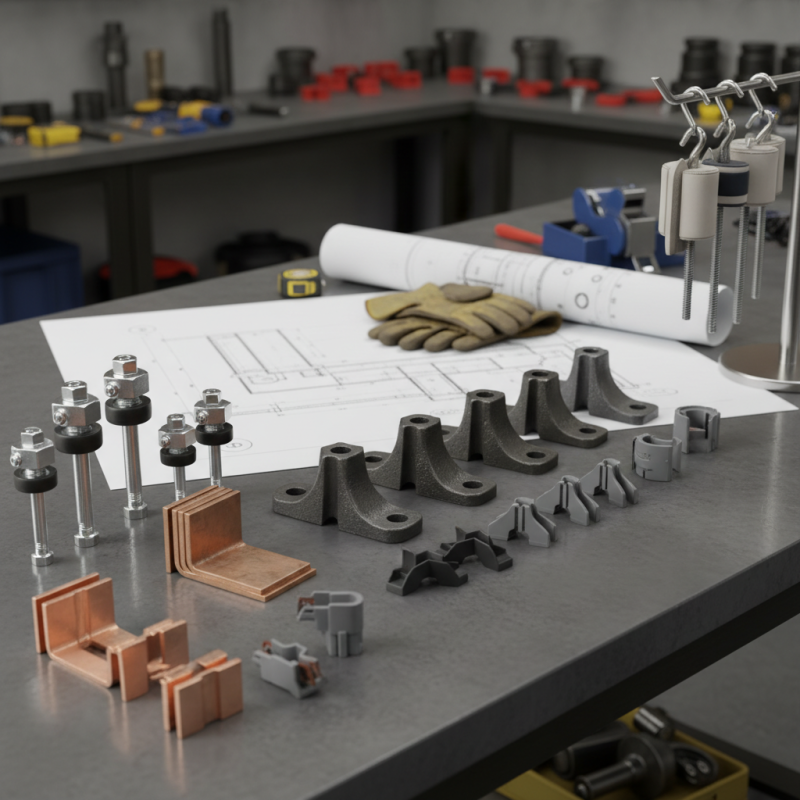
A pipe holder is a device used to securely support and stabilize pipes in various applications. These items come in diverse designs to accommodate different sizes and materials. Choosing the right one can significantly improve safety and efficiency in operations. In some cases, an improperly selected holder may lead to accidents or damage to pipes.
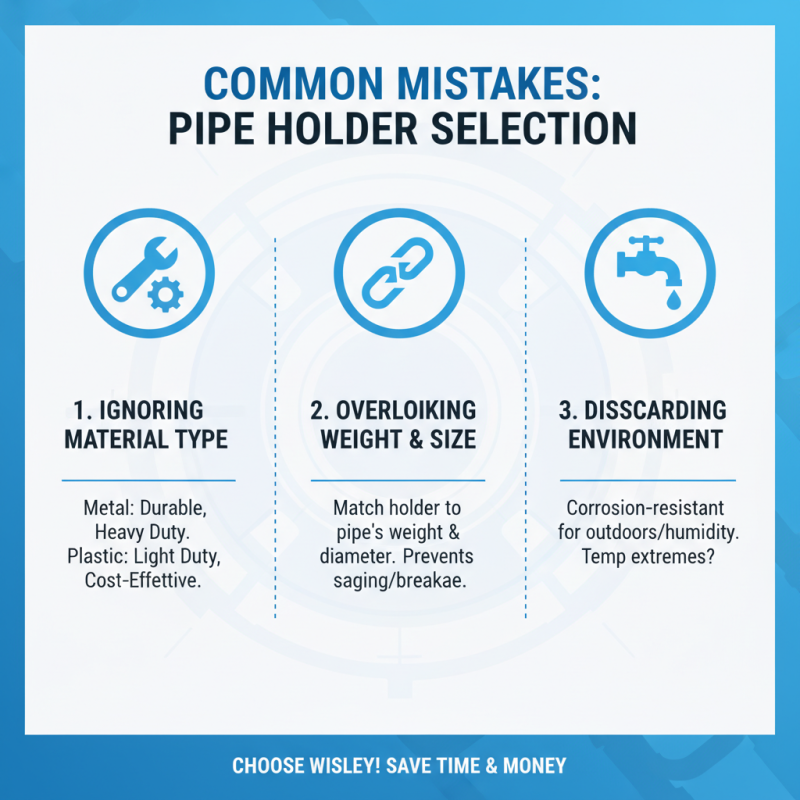
When evaluating pipe holders, consider factors like material, size, and load capacity. For example, materials such as steel or plastic offer different strengths and durability levels. A holder must match the specific diameter of the pipe it supports. It's also crucial to assess the weight it will need to bear. An inadequate choice could result in failures over time.
In many situations, individuals may underestimate the importance of proper selection. This mistake can lead to unnecessary costs or hazardous working conditions. Observing the environment where the pipe holder will be used is essential. Factors like temperature, exposure to chemicals, and weight distribution should be taken into account. A weak design in a challenging environment may fail when least expected. Therefore, understanding the specific needs and limitations is key to finding the most suitable pipe holder.
What are Pipe Holders and How to Choose the Right One? - What is a Pipe Holder?
| Type of Pipe Holder |
Material |
Load Capacity |
Application |
Price Range |
| Pipe Clamp |
Steel |
Up to 1500 lbs |
Construction |
$5 - $15 |
| U-Bolt |
Galvanized Steel |
Up to 1000 lbs |
Plumbing |
$3 - $10 |
| Hanger |
Plastic |
Up to 500 lbs |
HVAC |
$2 - $8 |
| Pipe Support |
Aluminum |
Up to 2000 lbs |
Industrial |
$10 - $25 |
| Riser Clamp |
Copper |
Up to 750 lbs |
Electrical |
$4 - $12 |
Types of Pipe Holders Available in the Market
When it comes to pipe holders, various types are available, each serving a distinct purpose. The most common kinds include wall-mounted holders, freestanding racks, and portable holders. Wall-mounted holders save space and are perfect for tight areas. They provide stability and keep pipes organized, reducing the risk of damage. Freestanding racks accommodate bigger projects but may take more room. Portable holders are ideal for mobile tasks, offering flexibility on job sites.
Tips: Consider your workspace when choosing a holder. A cluttered area can lead to accidents, so opt for a holder that fits your specific needs. Measure your pipes too, ensuring the holder accommodates their lengths and widths.
Another type is the adjustable pipe holder. This can accommodate various pipe sizes and is ideal for diverse tasks. Adjustable holders offer versatility but might be slightly less stable than fixed types. It’s crucial to evaluate how often you change pipe sizes before opting for an adjustable model.
Ultimately, the ideal pipe holder aligns with the work you do most. Choose one based on your requirements. Assess your daily needs and the environment. A mismatch can lead to inefficient work processes, causing delays and frustration.
Comparison of Different Types of Pipe Holders
This chart illustrates the popularity ratings of various types of pipe holders available in the market. Each type serves different purposes depending on the application and environment. Flange holders are rated highest for their versatility, while U-bolt holders, although practical, are less preferred overall. This data can help users choose the appropriate pipe holder based on their needs.
Key Factors to Consider When Choosing a Pipe Holder
When selecting a pipe holder, certain key factors come into play. The material of the holder is crucial. Many options, such as metal and plastic, have unique strengths. According to industry reports, metallic holders often provide better durability, while plastic can offer lightweight and cost-effective solutions.
The size and capacity must align with the specific needs. A holder should accommodate the pipe diameter comfortably. There are cases where too tight a fit can lead to damage. Conversely, too loose a hold can cause slipping. Assessing the environment is also vital. For instance, damp conditions might necessitate corrosion-resistant options.
Tips: Always check user reviews. They can provide insights into real-life performance. Consider trialing different types. It’s a good approach to see what suits your workflow best.
Customization options may also be available, enhancing usability while reflecting personal preferences. In the end, finding the right holder may require testing multiple options and learning from any missteps in the process.
Advantages of Using the Right Pipe Holder
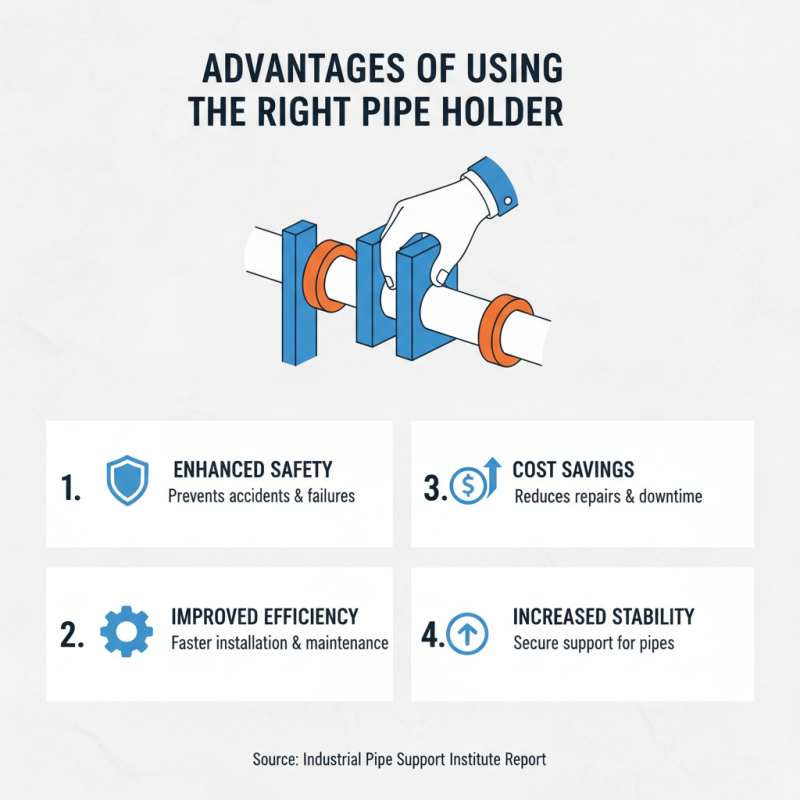
Pipe holders are essential tools in various industries, providing stability and support for pipes during installation and maintenance. Choosing the right pipe holder enhances safety and efficiency. According to a report by the Industrial Pipe Support Institute, improper support can lead to costly failures and accidents, highlighting the significance of using the correct type.
The advantages of using the right pipe holder extend beyond safety. A study found that properly supported pipes can reduce vibration, lowering wear on joints and connections by 30%. This extends the lifespan of the piping system and minimizes maintenance costs. Cost efficiency is critical; a 2021 market analysis indicated that users could save up to 20% on repair expenses through effective pipe support solutions.
However, not all pipe holders are created equal. Many installers may overlook load ratings and compatibility, leading to potential failures. Some may underestimate the environmental factors, like temperature and humidity, which can affect the selection process. This emphasizes the need for thorough evaluation and expert consultation when choosing a pipe holder. Making hasty decisions can result in performance issues and safety hazards down the line.