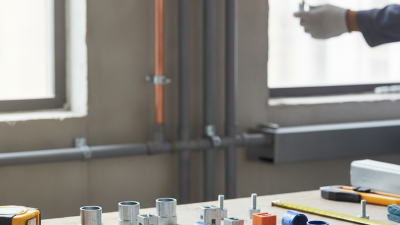
Industrial piping rarely fails because of the pipe alone. The supporting system often carries hidden risks. A loose clamp, undersized anchor, or corroded steel bracket can transfer stress into valves and welds. That is why choosing reliable Pipe Support Brackets requires more than comparing prices or load ratings.
Mohinder L. Nayyar, PE, author of the Piping Handbook, stated, “Piping supports must be designed as an integral part of the piping system.” His guidance remains practical. A support must match the pipe material, temperature range, movement, insulation, and operating environment. Steam lines may expand several millimeters over short distances. Process lines can vibrate near pumps, while outdoor supports face rain, chemicals, and freezing conditions. Small details matter.
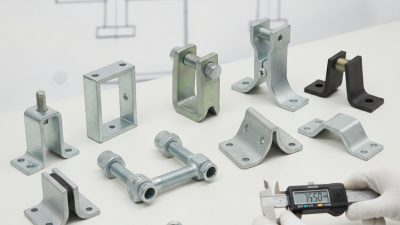
This guide reviews seven Pipe Support Brackets suited to industrial use. It considers clevis hangers, split clamps, U-bolts, pipe shoes, roller supports, riser clamps, and heavy-duty structural brackets. Each option has strengths and limits. Some handle movement well. Others provide stronger restraint but may increase stress when poorly positioned. No bracket is perfect.
That deserves attention.
Real installations are rarely as clean as drawings suggest. Field misalignment happens. Coatings get damaged. Maintenance access is sometimes forgotten. The best choice therefore balances engineering calculations with site experience, inspection needs, and long-term reliability. Readers should still verify loads, spacing, fire requirements, and project specifications with a qualified engineer before installation. A strong bracket helps, but thoughtful system design matters more.
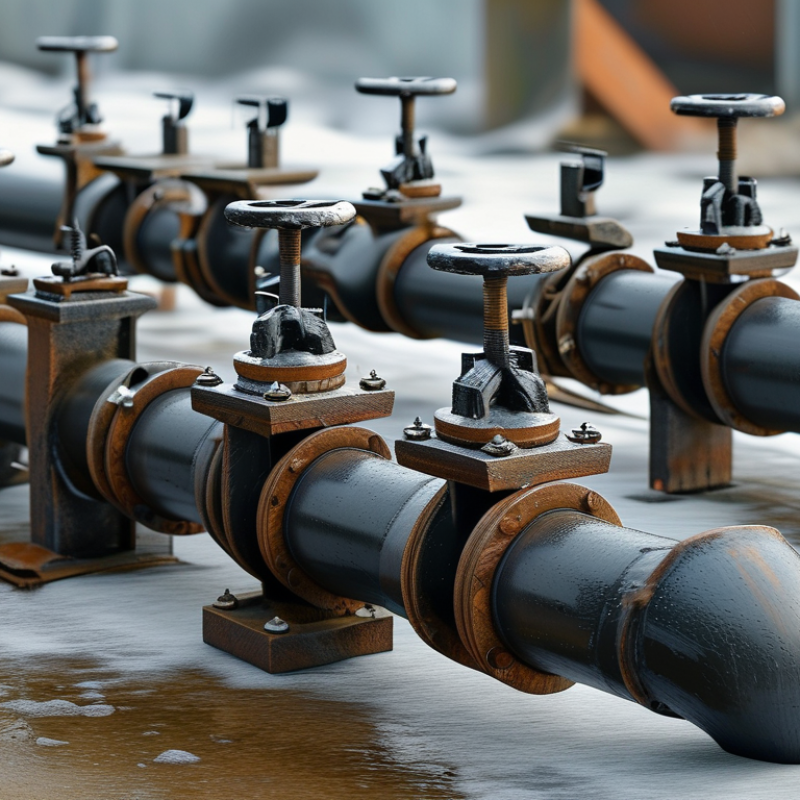
Industrial pipe support brackets do more than hold pipes in place. They control movement, distribute weight, and protect connected equipment. The right choice depends on pipe size, temperature, insulation, vibration, and installation direction.
Pipe clamps grip horizontal runs and limit sag. U-bolt clamps provide simple restraint around steel pipe, although overtightening may damage coatings or insulation. Riser clamps transfer vertical loads to structural floors. Clevis hangers suspend insulated or uninsulated pipe from overhead steel.
Roller supports carry heavy lines while allowing thermal expansion along the pipe axis. They work well near boilers, process skids, and long utility runs. Pipe guides permit axial movement but restrict sideways travel. This reduces wandering during heat cycles.
Anchor brackets provide firm restraint at selected points. They absorb thrust and divide long systems into controlled movement sections.
During inspections, I look for distorted clamps, shiny wear marks, cracked welds, and missing fasteners. These details often reveal movement before failure occurs.
Support spacing should follow engineered load calculations and applicable codes. Site conditions still matter. Corrosion, vibration, wet insulation, and poor alignment can change performance. No bracket is universally best. A practical layout may combine guides, anchors, and rollers. I sometimes find the first design is technically sound but difficult to maintain, so access deserves another review.
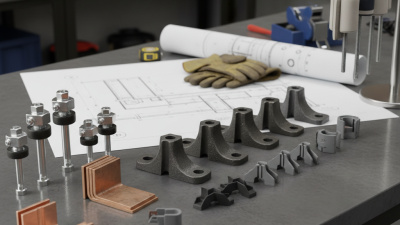
Selecting the right pipe support bracket starts with load, temperature, movement, and corrosion conditions. Seven common options include U-bolts, pipe clamps, clevis hangers, trapeze frames, roller supports, spring hangers, and guided anchors. Each solves a different problem.
Temperature matters greatly. The U.S. Department of Energy’s Manufacturing Energy and Carbon Footprints report identifies process heating as roughly half of manufacturing energy use. Hot lines therefore need supports that allow controlled expansion. Roller supports suit horizontal movement, while anchors and guides manage direction. Spring hangers help preserve load balance on vertically moving lines. ASME B31.1 and MSS SP-58 provide useful design and support guidance, but field conditions still require engineering judgment.
Check the pipe’s operating weight, insulation thickness, fluid density, vibration, and expected corrosion rate. Stainless hardware may resist a wet environment, while coated carbon steel can suit controlled indoor areas. Avoid crushing insulated pipe with a tight clamp. It happens more often than it should. Verify weld quality, bolt access, drainage, and inspection clearance before installation. A bracket that looks strong may fail under cyclic movement or poor alignment. API 570 inspection principles also reinforce the need for accessible, maintainable piping systems. My practical caution is simple: catalog load ratings are not site ratings. Recheck them against temperature, fatigue, seismic, and installation tolerances.
This engineering screening index compares seven common industrial pipe support categories against practical selection priorities. Higher scores indicate stronger general suitability for demanding installations, while final selection must still verify pipe size, operating temperature, load calculations, corrosion exposure, thermal movement, vibration, and applicable building or piping codes.
Seven pipe support brackets suit different industrial applications, loads, and movement conditions.
A clevis hanger works well beneath horizontal carbon-steel lines.
A split-ring hanger supports smaller process pipes with compact spacing.
For insulated lines, a pipe clamp with a load-bearing insulation shield prevents crushing at the contact point.
A trapeze bracket carries several parallel pipes, cables, or instrument lines on one frame. It saves overhead space.
A roller support is suitable for hot pipelines that expand along their length.
A spring hanger manages vertical movement near pumps, boilers, and high-temperature equipment.
An anchor and guide assembly controls directional movement at elbows and long straight runs.
These seven options should be selected against pipe weight, fluid temperature, vibration, corrosion exposure, and maintenance access. ASME B31.1 and MSS SP-58 provide useful engineering guidance for support design and inspection.
Energy matters, too. The U.S. Energy Information Administration reported that industry consumed roughly one-third of U.S. end-use energy in 2023.
Poorly aligned supports can increase vibration, leakage risk, and thermal loss. The U.S. Department of Energy’s steam-system guidance also stresses correct support, insulation, and expansion control.
In field work, I have seen a strong bracket fail because the anchor point was weak. That detail is easy to miss.
Recheck the structure, not only the bracket.
Load calculations should include operating weight, hydrotest weight, shock, and future insulation.
Rules help, but site conditions still demand judgment.
Selecting the seven best pipe support brackets depends on pipe size, material, temperature, and movement. Common choices include clevis hangers, split-ring clamps, U-bolts, roller supports, trapeze brackets, riser clamps, and pipe shoes. Each design transfers weight differently. A bracket that fits a small water line may fail under a hot, insulated process pipe.
Installation begins with a verified support layout. Mark anchor points on structural steel or approved concrete, not on weak panels or thin decking. Install anchors to the specified depth and torque. Keep threaded rods vertical and align the pipe before tightening. For hot lines, allow axial movement with rollers, guides, or sliding surfaces. Fixed points should control movement without forcing the entire system to carry thermal stress. I have seen misaligned supports create noise, sagging, and premature joint damage. The drawing looked correct. The field condition was not.
Tips: Calculate dead load, fluid weight, insulation, valves, and occasional maintenance loads. Check bracket spacing against the pipe material and local engineering requirements. Add support near heavy valves and changes in direction. Never assume an existing beam can accept extra load. Inspect welds, fasteners, corrosion, and contact points after installation. A second load check is worthwhile. Small errors become expensive. Reconsider the layout when vibration, expansion, or access conditions change.
Industrial pipe brackets must do more than hold a line in place.
They must manage weight, vibration, temperature changes, and corrosion. The seven practical choices are clevis hangers, split-ring hangers, pipe clamps, U-bolts, trapeze supports, riser clamps, and spring hangers. Each design suits a different load path. Spring hangers help protect hot lines from excessive stress. Trapeze supports carry grouped services efficiently. Riser clamps transfer vertical loads through structural members.
Maintenance begins with a close visual inspection.
Look for cracked welds, flattened insulation, loose nuts, rust under clamps, and unexpected pipe movement. Check support spacing against approved drawings and current loading conditions. A bracket that worked for years may fail after insulation, valves, or new equipment are added. Small changes matter. Tighten fasteners to the specified torque, but do not crush the pipe wall or insulation. Use compatible materials where moisture could create galvanic corrosion.
Safety depends on treating every support as a load-bearing component.
During inspections, isolate hazardous systems and control stored pressure or heat. Never rely on a damaged bracket until temporary support is properly engineered. In field work, I have seen clean-looking clamps hiding deep corrosion beneath their contact surfaces. That mistake is easy to repeat. Service life improves when drainage is possible, coatings remain intact, and movement is allowed where thermal expansion requires it. Records should show inspection dates, defects, repairs, and load changes. Human error remains a factor. A second inspection can catch what the first person missed.