2026 Best Hose Clamp Options for Global Buyers?
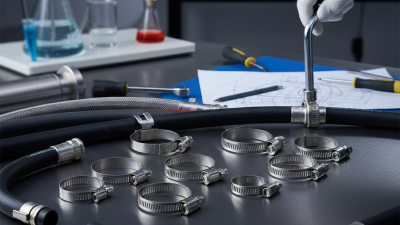
Choosing the right hose clamp is crucial for various applications. It holds hoses securely, preventing leaks and damage. In 2026, global buyers face numerous options. Each type offers distinct features and benefits. Understanding these differences is key to making informed decisions.
Hose clamps come in many styles and sizes. Stainless steel clamps resist corrosion, while plastic options are lightweight. However, not all clamps are created equal. Some may fail under pressure. Buyers should research thoroughly before making a choice. Quality matters when ensuring durability.
In today’s market, finding a reliable source is vital. Many suppliers claim to offer the best options. Yet, buyer experiences can vary greatly. Look for reviews and expert opinions to navigate this landscape. The right hose clamp enhances system efficiency. Making an educated choice ensures satisfaction and safety.
Top Features to Consider When Choosing Hose Clamps for Global Markets
When selecting hose clamps for global markets, several features should be prioritized. Quality materials are essential for durability. Stainless steel clamps offer resistance to corrosion, making them suitable for various environments. In a report by the International Hose Clamp Association, it’s noted that the demand for non-corrosive materials is rising, particularly in marine and automotive applications. Flexibility in design can also enhance usability across different projects.
Attention to detail is critical. The size range of clamps should accommodate diverse hose diameters. Clamps that are easily adjustable can reduce the complexity of installations. A study from the Global Market Insights Group shows a 15% increase in the use of adjustable clamps in industrial settings over recent years. This trend highlights the need for versatility in handling various tasks.
Hose clamp specifications can vary significantly across regions. It's important to comply with local safety standards. Being aware of these regulations can prevent costly delays in production. Always double-check compatibility with local materials. Understanding these nuances can lead to more reliable installations. Choosing the right clamp is not just about fitting; it’s about ensuring a secure connection that lasts.
2026 Best Hose Clamp Options for Global Buyers
| Hose Clamp Type |
Material |
Size Range (inches) |
Maximum Holding Pressure (psi) |
Temperature Range (°F) |
Applications |
| Standard Hose Clamp |
Stainless Steel |
1/2 - 4 |
50 |
-60 to 500 |
Automotive, Plumbing |
| Fuel Line Clamp |
Zinc-Coated Steel |
1/4 - 3 |
40 |
-40 to 300 |
Fuel Systems, Engine |
| Spring Hose Clamp |
Carbon Steel |
3/8 - 2 |
30 |
-30 to 250 |
Industrial, HVAC |
| Screw-Type Clamp |
Stainless Steel |
1 - 6 |
100 |
-20 to 400 |
Plumbing, Agricultural |
| Oval Hose Clamp |
Nylon |
1/2 - 3 |
20 |
-10 to 220 |
Home, Automotive |
Types of Hose Clamps and Their Applications in Various Industries
Hose clamps are essential tools in various industries, providing secure connections for hoses and tubing. They come in multiple types, each tailored for specific applications. In automotive sectors, for instance, worm gear clamps are favored because of their strong grip on engine hoses. These clamps distribute pressure evenly, ensuring no leaks occur under extreme conditions.
In industrial settings, double-helix clamps are commonly used for larger piping systems. Their design allows for the adjustment of width and strength, accommodating different hose diameters. However, these clamps can be bulky and may require more manual effort during installation. Users must weigh the benefits against the installation complexity.
It’s crucial to choose the right type of hose clamp for the application, as the wrong choice can lead to costly failures. Always check the material compatibility with your hoses. Stainless steel clamps resist corrosion but can be prone to over-tightening. Practicing proper installation techniques is key. Adjust the clamp without excessive force to avoid damaging the hose.
2026 Best Hose Clamp Options for Global Buyers
Material Comparisons: Stainless Steel, Plastic, and Other Options for Hose Clamps
When selecting hose clamps, understanding the material options is crucial. Stainless steel clamps are durable and resist corrosion, making them suitable for various environments. According to industry reports, stainless steel clamps can withstand extreme temperatures and pressures, often used in automotive and industrial applications.
Plastic clamps offer a lightweight alternative. They are resistant to chemicals but may not endure high pressure like their stainless counterparts. Research indicates that while plastic clamps might suit low-pressure systems, they can fail under heavy strain. This presents a risk that buyers must consider.
Choosing the right hose clamp requires attention. Evaluate the pressure and temperature conditions where the clamp will be used. Stainless steel is often preferred for reliable performance. However, plastic clamps can be adequate for lighter applications. Remember that your choice impacts overall system integrity and safety.
Regular inspection of hose clamps is important. Look for signs of wear or degradation, especially in plastic options. Consider the environmental factors they will face over time. As materials can deteriorate, ensuring the integrity of your hose clamps will save future costs and potential hazards.
Global Suppliers: Where to Find the Best Hose Clamp Options Worldwide
Finding the right hose clamp options requires a strategic approach. Global buyers can enhance their search by considering reputable suppliers. Online platforms are a treasure trove of choices. They offer access to manufacturers across various regions. Exploring these platforms can provide insights into quality and pricing. However, not every option will meet high standards.
Local trade shows and exhibitions are valuable. Attending these events allows buyers to see products firsthand. Engaging with suppliers builds trust and provides essential information. This direct contact can reveal more about product specifications. It can also highlight unique features that might be overlooked online. Yet, the challenge remains: how to filter through numerous options effectively?
Industry forums and communities play a crucial role. They can guide buyers towards reliable suppliers. Online reviews and feedback are beneficial but should be approached with caution. Some reviews may lack credibility or be overly biased. Trusting your instincts and conducting thorough research is essential. Consider reaching out to colleagues or industry contacts for recommendations. This grassroots approach often leads to discovering hidden gems in the hose clamp market.
Trends and Innovations in Hose Clamp Technology for Future Buyers
The landscape of hose clamp technology is rapidly evolving. As industries need more efficient solutions, advancements in materials and designs take center stage. Recent studies indicate a significant shift towards stainless steel and polymer blends, enhancing durability and resistance to corrosion. According to a report from MarketsandMarkets, the global hose clamp market is projected to reach $1.6 billion by 2026, fueled by innovations in manufacturing processes.
Innovations such as quick-release mechanisms and adjustable designs are becoming essential in this market. These features cater to the growing demand for ease of use and versatility across various applications. Industry experts highlight that user-friendly products can reduce installation time by up to 30%. However, there is a need to balance these advancements with cost-effectiveness.
While technological enhancements are promising, some challenges persist. For instance, the complexity of new designs may require more extensive training for end-users. Moreover, the sustainability of materials has become a topic of concern. Many manufacturers are exploring biodegradable options, but widespread adoption remains a hurdle. As buyers consider future purchases, understanding these emerging trends will be crucial for informed decisions.