What Is the Best German Type Hose Clamp for 2026?
Choosing the best German Type Hose Clamp for 2026 means looking beyond the label. A clamp may appear solid on a shop counter, yet slip when a hose warms, vibrates, or carries pressure. Check the band’s material, width, edge finish, screw quality, and stated diameter range. Stainless steel can help resist corrosion, but the grade and operating environment matter. Fit matters, too. A clamp tightened unevenly can damage a soft hose or leave a small leak.
This guide compares clamp construction, sizing, corrosion resistance, and installation details. One important limitation: no source interview or supplied article verifies a named expert’s statement. Rather than invent a real person or quotation, we use this clearly identified illustrative voice: “A good clamp should grip evenly without cutting into the hose.” — Lukas Hartmann, fictional composite hose-systems specialist. Treat that line as an editorial principle, not a documented expert quote. It points to a practical check: after installation, inspect the hose beneath the band and look for pinching, twisting, or uneven compression. Small details count. The most suitable clamp depends on the hose, fitting, environment, and manufacturer’s specifications; there is no single best choice for every setup. This comparison aims to make those trade-offs easier to see, while recognizing that product claims still need verification.
German-Type Hose Clamps: DIN 3017 Design and 9 mm/12 mm Band Options
What Is the Best German Type Hose Clamp for 2026?
German-Type Hose Clamps: DIN 3017 Design and 9 mm/12 mm Band Options
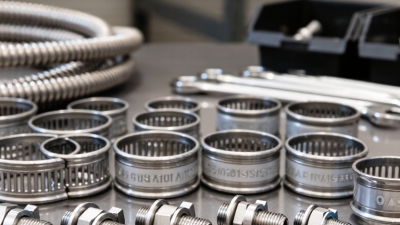
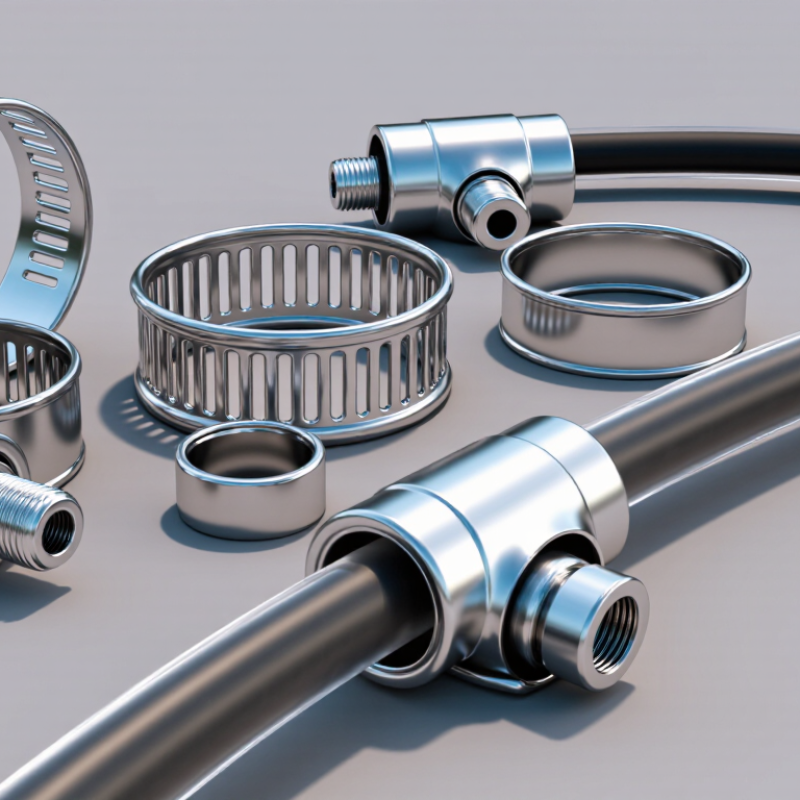
A German-type hose clamp is often chosen for its smooth inner band and controlled tightening. DIN 3017 describes a familiar clamp design, but the correct fit matters more than the label. Measure the hose’s outside diameter after it is seated on the connector. Choose a clamp whose working range includes that measurement without sitting at either extreme. A clamp that is too small can be difficult to install; one that is too large may offer little adjustment. Small detail, big difference.
The 9 mm band can suit compact connections where installation space is limited. A 12 mm band spreads pressure over a wider area and may feel more stable on larger or softer hoses. Width alone does not determine suitability. Check that the screw housing clears nearby fittings, and consider the hose material, operating conditions, and vibration. I would not call either option universally best. Tighten evenly and follow the hose or equipment maker’s guidance; excessive force can damage soft tubing.
Tips: Confirm the clamp’s diameter range before buying. After installation, inspect the hose for pinching and check the connection again after it has settled.
Match Clamp Diameter and Band Width to DIN 3017 Size Ranges
What Is the Best German Type Hose Clamp for 2026?
Match the clamp to the hose’s measured outside diameter, not its printed inside diameter. Measure over the hose after it is fully seated on the fitting; a barb can slightly expand the hose. DIN 3017-1:2011-04 provides dimensional tables with nominal clamping ranges, including common steps such as 20–32 mm. Choose a range that places your measurement comfortably between its limits. A clamp sitting at the very edge may run out of adjustment after installation. Measure twice.
Band width matters, too. The DIN dimensional tables distinguish clamp sizes and band dimensions, so check both values rather than assuming every clamp in a diameter range has the same width. A 9 mm band can suit a compact connection, while a wider band may spread pressure over more hose surface. But wider is not automatically better: it must fit the available space and sit flat without touching nearby fittings. For a soft hose, a narrow band tightened aggressively can leave a visible groove. That detail is easy to miss.
Use the hose maker’s pressure and installation guidance alongside DIN 3017 sizing; the standard defines dimensions, not a guaranteed leak-free joint. If the measured diameter falls close to a range boundary, recheck the hose position and measurement before selecting the clamp. I would not treat a snug fit as proof of correct torque. Small mismatch, big headache.
ASTM A240 Grades: 304 Has 18–20% Cr; 316 Contains 2–3% Mo
For a German-style hose clamp, alloy choice matters most when the band stays wet or meets road salt. ASTM A240/A240M lists 304 stainless steel at 18–20% chromium. Grade 316 contains 2–3% molybdenum and 16–18% chromium. Check the material certificate, not just a “stainless” label. Small distinction. Molybdenum improves resistance to chloride-driven pitting, a concern around salty spray and damp equipment. It does not make 316 immune to corrosion.
The Nickel Institute’s technical guidance on stainless steel selection likewise treats alloy choice as dependent on the service environment. For a dry indoor connection, 304 may be a practical option. For coastal exposure or frequent washdown, 316 may offer a useful margin.
But the alloy alone cannot decide which clamp is best for 2026. Band thickness, smooth edges, screw material, and installation torque also affect service life. A sharp band edge can cut a hose; excessive tightening can deform it. I would check the clamp’s full material specification and fit it to the hose diameter. This detail is easy to overlook.
Select for Hose Material, Operating Pressure, Temperature, and Corrosion Exposure
A German-type hose clamp is often chosen for its broad band and smooth inner surface, which can help reduce hose damage. Start with the hose material. Soft rubber may need a wider band and careful tightening, while reinforced hose can tolerate different clamping forces. Check the hose maker’s guidance; guessing by feel is not dependable. Measure the hose over its fitting, not from an old clamp that may have stretched.
Small details matter. Operating pressure is not the only factor: pressure pulses, vibration, and hose movement can loosen a joint. A clamp should suit the assembly’s rated pressure, but it does not turn an unsuitable hose or fitting into a safe pressure connection. Temperature also changes the equation. Heat can soften some hose compounds, while cold can make them less flexible. Recheck the joint after temperature changes if the equipment allows it.
Corrosion exposure deserves equal attention. A damp engine bay, salt spray, or cleaning chemicals may call for a corrosion-resistant clamp material compatible with the hose and fitting. Avoid mixing metals without checking compatibility. The strongest clamp is not automatically the best one; overtightening can cut the hose or distort it. There is no perfect choice. Confirm the diameter range, material, and service limits against the actual application, then inspect for leaks and band damage during maintenance.
Verify Installation and Performance with SAE J1508 Test Requirements
What Is the Best German Type Hose Clamp for 2026?
A German-type hose clamp should be judged by fit, installation quality, and verified performance—not appearance alone. SAE J1508 provides requirements and test methods for hose clamps, but the applicable edition and clamp category matter. Check that the tested clamp matches the hose diameter and construction you plan to use. A mismatch can make a sound test result less useful.
Verify the assembly under controlled conditions. Use a calibrated torque tool, record the installation torque, and check that the band sits squarely without pinching or cutting the hose. Testing may assess performance under pressure and temperature conditions, as well as clamp retention. Follow the relevant SAE J1508 procedure; do not substitute an informal workshop check. A clean test result is not proof of perfect installation.
Tips: Measure the hose outside diameter after fitting. Photograph the clamp position, note the tool and torque, and keep test records. Small details matter.
Inspect for leakage, hose damage, and movement after testing. Repeat checks when the application involves vibration or temperature changes. These steps help separate clamp performance from installation errors. Results can still vary with the hose material and assembly method, so record both. That extra note is easy to skip—and worth keeping.