Leave Your Message

Top 10 Riser Clamp Manufacturers in China

Riser Clamp selection can look simple on a drawing: two steel halves, a bolt, and a pipe. On site, the details matter. Pipe size, load, temperature, material, coating, and installation quality all affect performance. A clamp that fits neatly may still transfer forces poorly if its supporting structure or fasteners are unsuitable.

MSS SP-58-2018 provides recognized guidance on pipe-support materials, design, manufacture, selection, and installation. Grand View Research’s pipe-support market analysis offers broader context on demand across industrial and infrastructure applications, but market estimates vary by scope and methodology. These sources help frame the topic; they do not certify any manufacturer or product. Small component. Serious duty.

This guide compares ten Riser Clamp manufacturers in China, focusing on product range, material options, customization, quality controls, and export experience. Buyers should verify specifications, test records, and project references before making a decision. A useful engineering reminder is: “A clamp is only as dependable as its load path.” I could not verify a named Riser Clamp specialist’s published quotation, so I have not attributed this original line to an expert. That distinction matters. Manufacturer rankings also deserve scrutiny, since public evidence is uneven and supplier capabilities can change.
Top 10 Riser Clamp Manufacturers in China

What Riser Clamps Are and Where They Are Used

What Riser Clamps Are and Where They Are Used

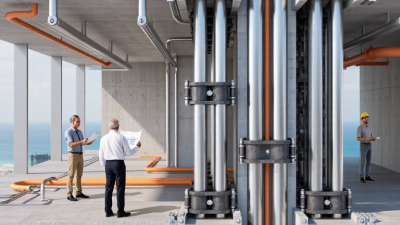
A riser clamp is a metal support fitted around a vertical pipe. Its projecting ears rest on a floor slab or structural support, carrying the pipe’s weight at that level. In multistory buildings, clamps commonly support plumbing, drainage, heating, and fire-protection risers. Small part. Heavy responsibility. A clamp must match the pipe’s outside diameter and expected load. Pipe contents, insulation, corrosion exposure, and movement from temperature changes also matter. A riser clamp supports vertical loads; it should not be treated as a substitute for designed lateral bracing.

The need for dependable pipe support is easy to overlook. The U.S. Energy Information Administration’s 2018 Commercial Buildings Energy Consumption Survey, published in 2022, counted 5.9 million commercial buildings and 97 billion square feet of floor space. That scale helps explain why vertical pipework appears across offices, hospitals, hotels, and other facilities. Actual support spacing and hardware depend on pipe material, size, building design, and applicable project specifications. Installers should check that the clamp bears securely, sits at the intended elevation, and does not crush insulation or interfere with movement. Details vary. A quick visual check alone may miss a poor load path.
How to Evaluate Riser Clamp Manufacturers in China

When evaluating riser clamp manufacturers in China, look beyond product photos and quoted prices. A clamp must fit the pipe diameter, support the specified load, and match the installation environment. Ask for dimensional drawings, material grades, and load-test records for the exact model under review. Details matter. Check whether the stated working load includes a safety margin and whether test conditions are clearly documented.

Inspect samples for consistent welds, clean edges, and holes that align with the drawing. For coated steel clamps, ask how coating thickness is checked and how parts are protected during packing. Request traceability information linking a production batch to its material certificates and inspection records. Ask for evidence. A clear answer should include documents, not only assurances. If possible, compare a sample with your own pipe and fasteners before approving a large order.

Communication is part of quality control. Send a marked-up drawing and see whether the manufacturer confirms dimensions, tolerances, and revision numbers in writing. Ask how rejected parts are handled and what inspections occur before shipment. Factory visits or independent inspections can help verify production claims, though they may not reveal every weakness. One detail is easy to miss: a technically sound clamp may still be unsuitable if its finish or geometry conflicts with site conditions. Review the evidence carefully, and record any unresolved questions before placing an order.

How to Evaluate Riser Clamp Manufacturers in China

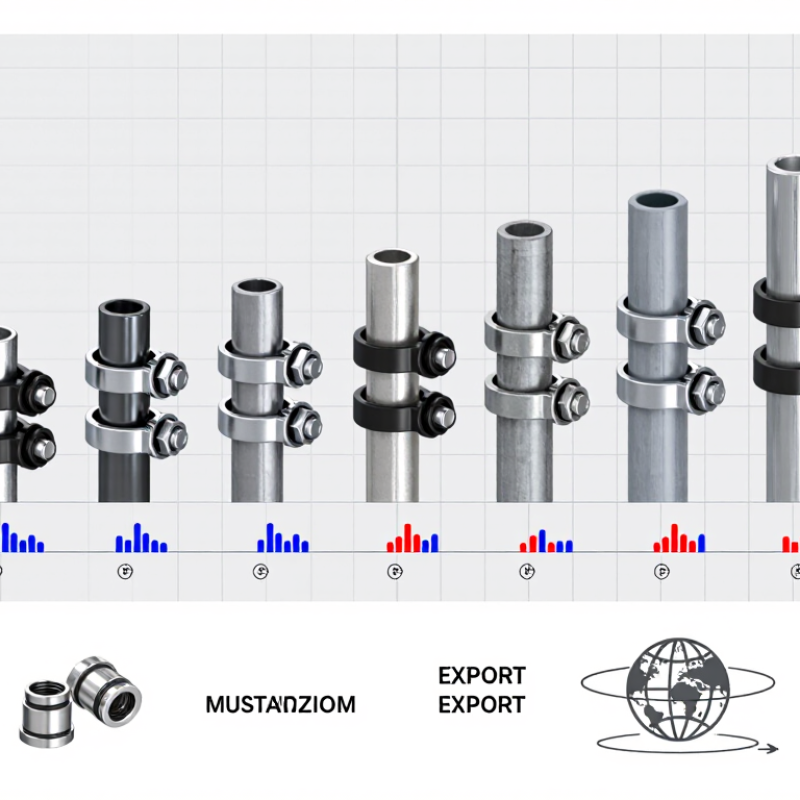
Suggested evaluation weights for comparing manufacturers

The percentages are a suggested scoring framework, not audited performance data for specific manufacturers. Verify product compliance, load-test reports, material traceability, and quality records against your project requirements.

Profiles of 10 Leading Riser Clamp Manufacturers in China

A useful Top 10 comparison of Chinese riser clamp manufacturers should examine capability, not just catalog size. The ten profiles can represent different strengths: carbon-steel fabrication, stainless-steel options, custom dimensions, high-volume production, small-batch orders, surface treatment, precision machining, seismic support components, export packing, and engineering assistance. These are capability categories, not verified company rankings. Ask each supplier for drawings, material specifications, coating details, and inspection records. Small details matter. A clamp that fits a pipe but lacks suitable load data may still be the wrong choice.

Compare how manufacturers control dimensions and consistency between batches. Request a sample and check its fit against the intended pipe size, including clearance around insulation. Review weld appearance, bolt alignment, and coating coverage near edges. A polished brochure proves little. Production capacity and quoted lead time should also be confirmed in writing, especially for customized orders. No profile can replace project-specific engineering review, and supplier claims deserve independent checking.

Tips: Share pipe diameter, operating conditions, load requirements, and finish expectations before requesting a quote. Keep the approved drawing and sample on file. It takes extra time, but it can prevent costly mismatches.

Top 10 Riser Clamp Manufacturers in China - Profiles of 10 Leading Riser Clamp Manufacturers in China

Note: Company names are omitted. The entries below are illustrative supplier capability profiles, not verified company profiles or a ranked list. Product availability, dimensions, load ratings, materials, and certifications vary by supplier and should be confirmed directly.

Profile Common product focus Material options to confirm Potential finish options Useful buyer checks Relevant specification references
Profile 1
General-purpose range
Riser clamps for supporting vertical pipe runs at floor or structural levels. Carbon steel; confirm grade and thickness. Painted, plated, or galvanized options may be available. Check pipe outside-diameter range, clamp dimensions, fasteners, and rated load documentation. MSS SP-58 may be relevant to pipe-hanger and support design and manufacture.
Profile 2
Galvanized-steel options
Steel clamps intended for projects that specify a protective zinc coating. Carbon steel; confirm base-metal grade before ordering. Hot-dip galvanizing or other zinc finishes, subject to the order specification. Confirm coating process, coating requirements, finished dimensions, and inspection records. ASTM A123/A123M covers zinc coatings on specified iron and steel products; confirm applicability to the product and order.
Profile 3
Stainless-steel options
Clamps specified for projects requiring stainless-steel construction. Stainless grades such as 304 or 316 may be offered; verify grade and material certificates. As-supplied or specified surface finish. Check grade, corrosion environment, fastener material, and galvanic compatibility. Specify the required material grade and applicable project or piping requirements; do not assume a grade from appearance.
Profile 4
Heavy-duty applications
Heavier-section clamp designs for applications with higher support demands. Typically specified steel; confirm grade, section thickness, and connection details. Finish selected to suit the project environment. Request design calculations or test evidence for the actual configuration and load case. MSS SP-58 and project engineering requirements may inform selection; verify the governing code and design basis.
Profile 5
Custom-dimension production
Made-to-order sizes or hole patterns for project-specific pipe and structure layouts. Material chosen to match the approved drawing and purchase specification. Confirm finish and any post-fabrication coating requirements. Approve drawings, tolerances, samples, and change-control procedures before production. Use project drawings and the purchase specification as the controlling documents.
Profile 6
Broad size coverage
Product ranges intended to cover multiple nominal pipe sizes. Varies by model and size; confirm for each item. Options depend on the model and order specification. Match the clamp to actual pipe outside diameter, not nominal size alone; request a dimensioned catalog. Confirm applicable pipe dimensions and support requirements with the project engineer.
Profile 7
Project and OEM supply
Production to customer drawings, bills of materials, or project schedules. As stated in the approved specification. As stated in the approved specification. Check drawing revision control, traceability requirements, inspection plans, and packaging identification. Agree acceptance criteria and document requirements before placing the order.
Profile 8
Documented quality control
Clamp production supported by defined inspection and documentation processes. Confirm material certificates and traceability scope for the specific order. Confirm coating inspection criteria where applicable. Request inspection records, dimensional reports, and relevant certificates; verify their scope and validity. Quality-system certificates do not by themselves establish product load capacity or compliance.
Profile 9
Export-oriented supply
Orders prepared for international shipment and customer-specific documentation needs. Confirm material and country-of-origin documentation requirements. Confirm finish suitability for the transit and service environment. Check packaging, labeling, lead time, Incoterms, and the documents required by the destination market. Applicable product and import requirements depend on the destination, project, and contract.
Profile 10
Engineering-support supply
Suppliers able to provide selection information alongside clamp products. Confirm materials against the design environment and engineering specification. Select according to corrosion, temperature, and project requirements. Ask for installation guidance, load data, dimensional drawings, and assumptions used in any recommendations. MSS SP-58 and MSS SP-69 may be relevant references; verify the edition and project applicability.

Comparing Products, Materials, Certifications, and Services

When comparing China’s riser clamp manufacturers, start with fit and verified load capacity, not catalogue size. Check the pipe’s actual outside diameter, clamp range, bolt size, and stated working load. A clamp that looks substantial may still slip under a vertical load. Ask for test methods and traceable material records.

Material choice changes performance. Coated carbon steel can suit many indoor systems; stainless steel may be preferable where moisture or corrosive exposure is expected. Request coating-thickness records, material test reports, and weld inspection details. MSS SP-58 provides guidance for pipe-hanger materials, design, selection, and installation, but a standard reference alone does not prove a specific clamp has been tested. Details matter. ISO 9001 certification can indicate a quality-management system; it is not a product load certificate.

Service deserves the same scrutiny as hardware. Compare drawing support, sample lead times, dimensional checks, packaging, and response to nonconformance.

UNEP and GlobalABC’s 2023 Global Status Report for Buildings and Construction estimated that buildings used 34% of global energy and produced 37% of energy- and process-related CO2 emissions in 2022.

That figure is not clamp-specific, but it reinforces the value of durable, well-matched components. One limitation remains: paperwork cannot reveal every weld or fit issue, so inspect production samples when possible.

How to Choose and Verify a Chinese Riser Clamp Supplier

Choosing a riser clamp supplier starts with the installation, not a polished catalog. Confirm pipe outside diameter, insulation thickness, finish, and the load each clamp must carry. Ask for dimensioned drawings, material grade, metal thickness, coating details, and a load-test report tied to a stated test method. Check that the report identifies the tested model and matches the product being quoted. Small mismatches matter. A clamp that fits bare pipe may not fit insulated pipe.

World Steel Association’s World Steel in Figures 2024 reports that China produced 1,019.1 million tonnes of crude steel in 2023. That shows manufacturing scale, not the quality of any individual supplier. Scale is not proof. Verify the factory address and the scope of its quality-management certificate with the issuer. Request batch traceability and inspect sample parts for hole spacing, weld consistency, burrs, and coating coverage. Where project risk warrants it, arrange independent inspection before shipment. I would not rely on a video tour alone; it can miss uneven production controls. Compare the supplier’s written test conditions with the actual pipe, load, and installation environment, and ask for revisions when they do not align.