Leave Your Message

7 Best Single Bolt Pipe Clamps for Reliable Support?

Choosing the right Single Bolt Pipe Clamp is not merely a matter of comparing prices or polished product photos. Reliable support depends on pipe diameter, operating temperature, vibration, surface condition, and installation space. A clamp that looks strong may still permit unwanted movement, crush insulation, or create pressure points around a thin-walled pipe.

Piping engineer and author George A. Antaki emphasizes a practical design principle: “A pipe support must control movement without creating unintended stress.” That idea shapes this guide to the 7 Best Single Bolt Pipe Clamps for Reliable Support. Each option deserves attention for its material, bolt strength, lining quality, load capacity, and resistance to corrosion. Small details matter. A poorly tightened bolt can loosen beside a vibrating pump. A sharp clamp edge can damage protective coatings over time.

Real installations are rarely perfect. Pipe runs may be slightly misaligned. Access can be limited. Measurements may be hurried. This is where a dependable Single Bolt Pipe Clamp can save time, but only when selected carefully and installed correctly. Not every clamp suits every environment. Stainless steel may perform better in damp locations, while rubber-lined designs can reduce noise and surface damage.

The following selections compare practical strengths and possible weaknesses. Some may appear ideal on paper. Field conditions can disagree. Checking the manufacturer’s load data, pipe compatibility, and recommended torque remains essential before installation. Reliable support begins with honest evaluation, not confident assumptions.
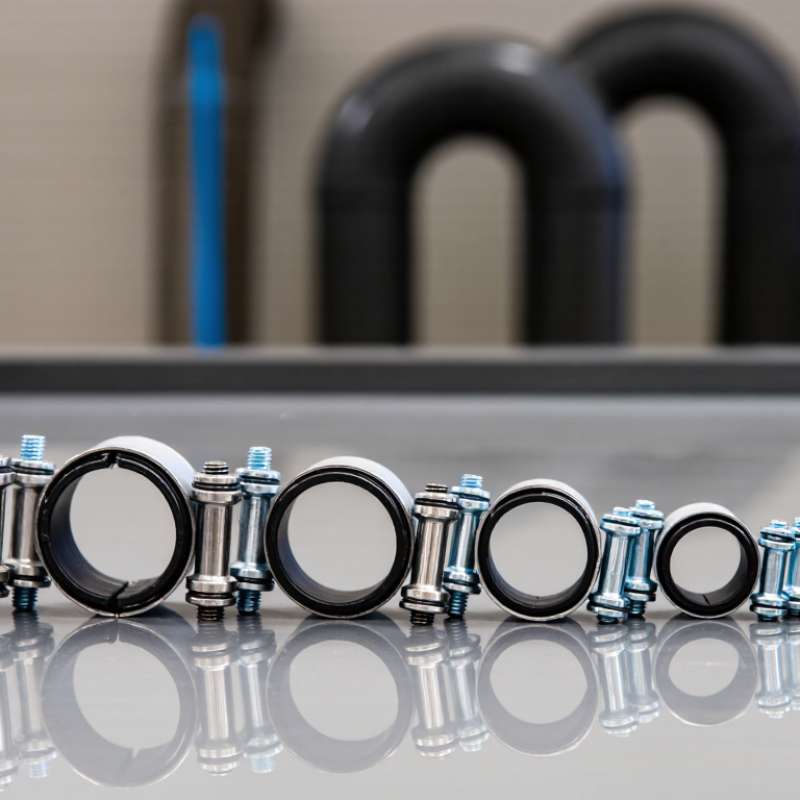
7 Best Single Bolt Pipe Clamps for Reliable Support?

What Is a Single Bolt Pipe Clamp?

What Is a Single Bolt Pipe Clamp?

A single bolt pipe clamp is a compact support fitting that holds one pipe against a wall, ceiling, frame, or mounting rail. It usually includes a curved metal band, a saddle, and one bolt with a nut. Tightening the bolt closes the clamp around the pipe. Unlike a threaded connector, it does not join pipe sections or control fluid pressure. Its purpose is simple: keep the pipe aligned and reduce movement.

In practical installations, the clamp must match the pipe’s outside diameter. A loose fit can allow rattling, while excessive tightening may dent thin-wall tubing or restrict thermal movement. Select materials suited to moisture, temperature, and possible corrosion. Check published load information rather than guessing from appearance. During field inspections, I have found that small alignment errors create surprising stress over long runs. The “strongest” clamp is not always the safest choice.

Tips: Measure the pipe twice. Place the clamp on a firm surface. Tighten gradually, then check for movement by hand. Add a suitable cushion when vibration or abrasion is possible. Inspect the bolt after initial operation, because settling can reduce tension. Also, review applicable engineering requirements for spacing and support loads. This step is easy to overlook.

7 Best Single Bolt Pipe Clamps for Reliable Support? - What Is a Single Bolt Pipe Clamp?

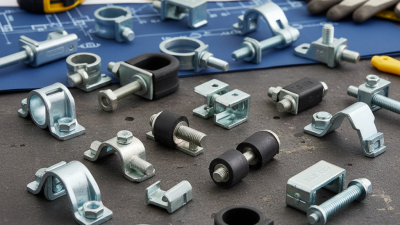
A single bolt pipe clamp is a two-piece pipe support that closes around a pipe with one threaded bolt and nut. The following comparison focuses on common clamp configurations, materials, pipe-size ranges, and practical applications. Actual load capacity depends on the pipe, fastener grade, mounting surface, spacing, temperature, vibration, and installation method.

No. Single-Bolt Clamp Type Typical Pipe Size Range Common Construction Typical Bolt Arrangement Best Use Key Advantage
1 Standard Two-Piece Pipe Clamp Approximately 15–60 mm outside diameter Zinc-plated or plain carbon steel One through-bolt with nut General plumbing, light industrial pipework, and utility lines Simple installation and broad availability
2 Rubber-Cushioned Pipe Clamp Approximately 6–50 mm outside diameter Metal clamp with EPDM or elastomeric lining One bolt; cushion separates pipe from metal Water lines, vehicle systems, HVAC tubing, and vibration-sensitive installations Reduces vibration, noise, and surface damage
3 Heavy-Duty Reinforced Clamp Approximately 25–100 mm outside diameter Thicker steel body, often with a reinforced mounting lug One larger bolt with a high-strength nut Industrial piping, compressed-air lines, and heavier suspended runs Greater rigidity than light-duty sheet-metal clamps
4 Stainless-Steel Single-Bolt Clamp Approximately 10–80 mm outside diameter Stainless steel body and corrosion-resistant fastener One bolt and nut; material grade should be confirmed Wet rooms, food-processing areas, coastal locations, and outdoor equipment Improved corrosion resistance compared with untreated carbon steel
5 Galvanized Pipe Clamp Approximately 15–100 mm outside diameter Carbon steel with zinc coating One bolt and nut, commonly with a slotted mounting point General construction, service corridors, and moderately damp areas Better atmospheric corrosion protection than bare steel
6 Conduit and Tubing Clamp Approximately 16–32 mm outside diameter Zinc-plated steel, stainless steel, or UV-resistant polymer One captive or removable bolt Electrical conduit, instrument tubing, and small-diameter cable protection Compact profile and quick access during installation
7 Adjustable Sliding-Bolt Clamp Typically covers a limited adjustable range of about 10–40 mm Steel or stainless steel with an adjustable slot One bolt positioned through a slotted or sliding section Installations where pipe dimensions vary slightly or alignment is difficult Allows fit adjustment without changing the complete clamp

Selection Checklist

  • Measure the pipe's actual outside diameter rather than relying only on nominal pipe size.
  • Choose a clamp material suited to moisture, chemicals, temperature, and outdoor exposure.
  • Use a cushioned design when vibration, thermal movement, or surface protection is important.
  • Check the clamp manufacturer's load rating, bolt grade, and recommended tightening torque for the intended installation.
  • Follow applicable plumbing, mechanical, electrical, and seismic support requirements where relevant.

Important: The size ranges shown are typical market ranges, not universal specifications. Confirm exact dimensions, working load, temperature limits, corrosion resistance, and mounting requirements in the product documentation before installation.
Key Criteria for Choosing a Reliable Pipe Clamp

When comparing seven single-bolt pipe clamps, start with the load, not the catalog photograph. Record pipe diameter, insulation thickness, operating temperature, fluid weight, and nearby vibration. MSS SP-58 offers widely used guidance for pipe supports, while ASME B31.1 addresses power-piping design conditions. Select a clamp with a verified working-load rating above the calculated force. A larger-looking clamp is not automatically safer. Check bolt grade, thread engagement, saddle width, and contact pressure. Sharp edges can damage insulation or weaken thin-wall tubing.

Material choice deserves equal attention. The NACE IMPACT study estimated global corrosion costs at about 2.5 trillion dollars annually, equal to roughly 3.4% of global economic output. That figure makes coating and drainage practical concerns, not cosmetic details. Use corrosion-resistant material in humid, coastal, or chemically exposed areas. Keep dissimilar metals separated when galvanic corrosion is possible. Inspect the clamp after installation for slipping, crushed insulation, and uneven bolt tightening. A torque wrench helps, although site access may make perfect control unrealistic. That limitation should be recorded, not ignored. Leave room for thermal movement where the piping system requires it, and never let one clamp carry loads intended for multiple supports.

Seven Top Single Bolt Pipe Clamps Compared

Seven Top Single Bolt Pipe Clamps Compared

Choosing a single bolt pipe clamp depends on load, pipe material, vibration, and installation space. In field repairs, I have found that clamp fit matters more than advertised strength. A loose saddle can mark the pipe and create noise.

The rubber-lined clamp suits water lines, light machinery, and vibration-sensitive areas.

The stainless steel clamp handles damp locations and outdoor exposure.

The heavy-duty steel clamp supports thicker pipes under greater static loads.

The cushioned clamp reduces rattling near pumps and compressors.

The narrow-profile clamp fits crowded frames and shallow channels.

The adjustable clamp helps when pipe diameter varies slightly.

The insulated clamp separates metal pipes from supporting surfaces, reducing abrasion and electrical contact.

These seven designs overlap, so a clamp labeled “heavy-duty” is not automatically the best choice.

Tips:

Measure the pipe’s outside diameter, not its trade size.

Check the bolt hole alignment before tightening.

Leave room for thermal movement when the line carries hot fluid.

Tighten firmly, but avoid crushing soft tubing or rubber lining.

Inspect the clamp after the first operating cycle.

I sometimes overestimate hand-tightening, especially in cold conditions.

A torque wrench gives better consistency.

Also, review corrosion resistance, edge quality, and the support material before installation.

When vibration is severe, one clamp may not be enough.

A second support could prevent gradual shifting.

How to Match Each Clamp with Pipe Size and Material

7 Best Single Bolt Pipe Clamps for Reliable Support

Choosing a single bolt pipe clamp starts with accurate pipe measurement. Measure the outside diameter, not the nominal pipe size. A clamp that feels slightly loose may allow vibration, while an overly tight clamp can damage insulation or coatings. For copper and stainless steel, use compatible clamp materials to reduce galvanic corrosion. Carbon steel clamps suit many structural applications, but they need suitable protection in damp or coastal areas. Seven clamp options may look similar, yet their load ratings, bolt sizes, and lining materials can differ considerably.

Pipe weight and movement also matter. Rigid water lines usually need firm support near valves, bends, and connection points. Plastic pipe requires gentler compression because it can deform under constant pressure. For insulated pipe, select a clamp with enough clearance for the full insulation thickness. In field work, I have seen installers match the diameter correctly but ignore insulation weight. That mistake can weaken the support system over time. Always check verified load tables, spacing guidance, and the installation requirements for the specific pipe system.

Tips: Clean the pipe before fitting the clamp. Keep the bolt accessible for inspection. Tighten it evenly, without crushing the pipe or liner. Check alignment before final tightening. A torque wrench is helpful, although not always available on small jobs. Reinspect supports after thermal cycling or unusual vibration. I would also record the pipe size, material, clamp type, and installation date. That simple note can reveal patterns when a support loosens later.

7 Best Single-Bolt Pipe Clamps for Reliable Support

How to match each clamp with pipe size and material

Select a single-bolt clamp by measuring the pipe’s actual outside diameter rather than relying only on nominal size. Steel and Schedule 40 PVC use similar nominal outside diameters, while Type L copper tube is smaller at the same nominal size. Use a protective liner for copper, PVC, and coated pipe, and allow sufficient clearance for thermal movement and vibration.

Outside-diameter references are based on common NPS steel pipe dimensions, ASTM B88 Type L copper tube dimensions, and ASTM D1785 Schedule 40 PVC pipe dimensions.

Installation and Maintenance for Long-Term Pipe Support

A reliable single-bolt pipe clamp starts with correct load assessment, not bolt tightening. Check the pipe diameter, operating temperature, insulation thickness, fluid weight, and vibration exposure. ASME B31.1 and MSS SP-58 require support layouts to consider sustained, thermal, and occasional loads. Therefore, clamp spacing should follow the engineered piping plan, not a convenient measurement. Clean the contact area, align the clamp evenly, and use a calibrated torque wrench. Keep the bolt accessible for future inspection.

One assumption deserves challenge: tighter is not always safer. Excessive torque can deform thin-wall pipe or crush insulation.

Maintenance protects long-term support. During planned inspections, look for rust beneath the clamp, elongated holes, cracked coatings, sagging pipe, and polished marks caused by movement. Check nearby welds and threaded connections too. Thermal cycling can loosen hardware even when the original installation looked perfect. Retighten only when the project specification allows it, and record the torque, date, and observed condition.

The U.S. Department of Energy’s Improving Compressed Air System Performance sourcebook reports that leaks may waste 20–30% of compressor output in poorly maintained systems. That figure shows why small support damage deserves attention; vibration can eventually open joints and create leakage.

A practical weakness remains: visual checks may miss corrosion hidden beneath insulation. Where moisture is likely, schedule insulation removal or non-destructive inspection. Small details matter.