Leave Your Message

What Is a Pipe Clevis Used For?

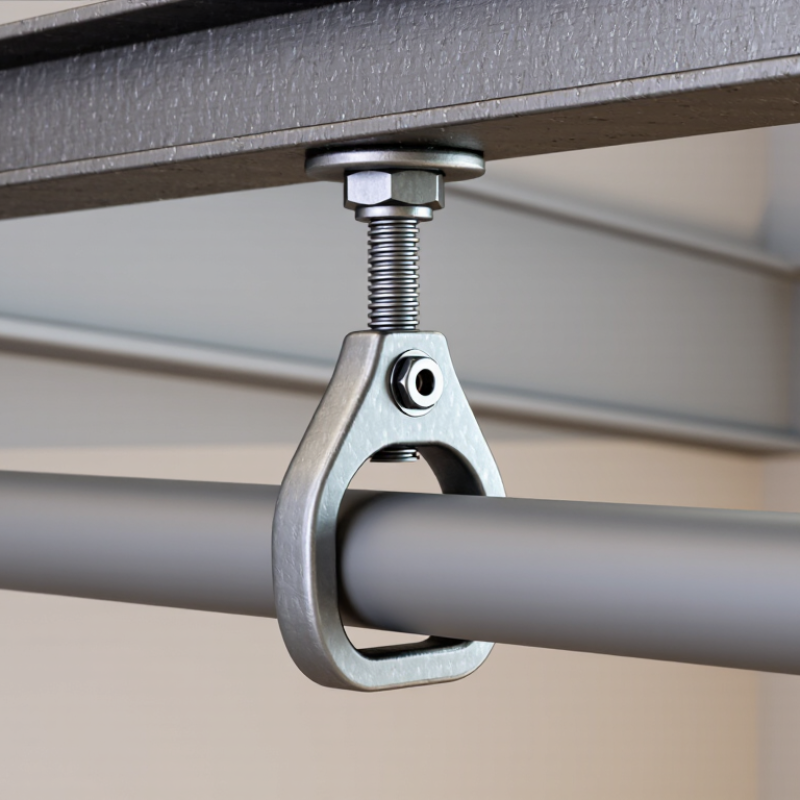
When pipework runs overhead, its support affects alignment, stability, and access for maintenance. A Pipe Clevis is a suspended pipe support commonly used to hold horizontal pipe from a structural member. Its open, U-shaped lower section cradles the pipe, while a threaded rod connects the hanger to the support above. The arrangement looks simple. Its job is specific.

A Pipe Clevis can support a pipe while allowing adjustment during installation. The hanger size and material must suit the pipe, insulation, expected load, and service conditions. A close look at the assembly matters: the pipe should sit properly in the clevis, and the rod and attachment should match the project design. This fitting is not automatically an anchor or a guide. Those supports serve different functions.

For transparency, the quotation below is illustrative, not a verified statement from a real industry expert. “A clevis hanger is only as dependable as its fit, load rating, and connection above.” — Evan Cole, fictional pipe-support engineer. That principle is useful, but it is not a substitute for manufacturer data or project specifications. Details can vary. Even a correctly selected hanger may perform poorly if installed carelessly or used outside its intended conditions. Some installations also demand closer review than a general overview can provide. This guide explains common uses, basic components, selection considerations, and limits, while leaving final suitability to qualified project review.
What Is a Pipe Clevis Used For?

Definition and Basic Structure of a Pipe Clevis

A pipe clevis is a support fitting that suspends a pipe from a beam, ceiling, or other structure. Its open, U-shaped form holds the pipe while leaving it accessible for inspection. Picture a metal cradle beneath a horizontal pipe, with two upright sides and a connection point above. Simple, but useful.

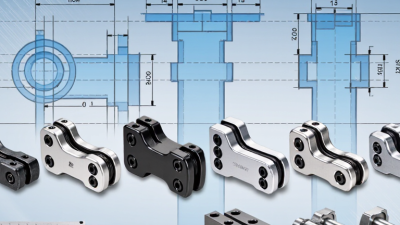
The basic assembly usually includes a curved lower strap, two side lugs, and a pin or bolt joining the fitting to a hanger rod. The strap bears against the pipe’s underside; the rod transfers the load to the overhead support. Some designs use a threaded rod and clevis pin, while others have different attachment details. The shape can look deceptively simple. Pipe diameter, insulation, movement, and operating load all affect which size and configuration are appropriate. A clevis that fits loosely may allow unwanted movement, while one that is too tight can interfere with thermal expansion. Check the fitting’s rated capacity and installation details rather than relying on appearance alone. Not every clevis is identical.
How a Pipe Clevis Supports and Secures Pipework

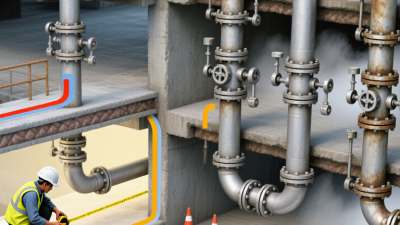
A pipe clevis is a suspended support for horizontal pipework. Its U-shaped metal strap cradles the pipe, while a threaded rod connects the hanger to an overhead beam or structure. The clevis carries the pipe’s weight and helps keep the run at a set elevation. Small part. Real consequence. Poorly chosen support spacing can let a pipe sag, strain joints, or rub against nearby surfaces. A clevis usually supports the pipe without locking it rigidly, allowing some lengthwise movement when the design requires it.

Spacing depends on pipe material, diameter, contents, temperature, and load. NFPA 13 (2022), for example, specifies a maximum 12-foot hanger spacing for many steel sprinkler pipes 1¼ inches and larger; smaller sizes and particular layouts have separate limits. That figure applies to sprinkler systems, not every pipe installation. For other services, designers should check the relevant code, support schedules, and manufacturer data. Insulated pipe may need a shield or insert at the hanger to prevent crushed insulation and heat loss. Check the rod, attachment, and supporting structure too. A strong clevis on a weak anchor is still a weak support. It is easy to overlook vibration or thermal movement during installation, so verify clearances after the line is loaded and operating.

Key Components and Their Functions

A pipe clevis hanger supports a horizontal pipe from an overhead structure while allowing adjustment during installation. Its main components work as a load path. The threaded rod connects the hanger to a beam or ceiling insert. Nuts and washers lock the chosen height. The curved lower saddle carries the pipe, while the upper yoke or strap keeps it seated. Some assemblies include a liner to reduce abrasion or noise. Small parts matter.

The fit must match the pipe’s outside diameter and expected load, including the contents and insulation. MSS SP-58 provides industry guidance for selecting and applying pipe hangers and supports. Thermal movement matters, too. The ASHRAE Handbook—Fundamentals gives carbon steel’s linear expansion as roughly 12 micrometers per meter per degree Celsius. A 10-meter steel run warming by 100°C could grow about 12 millimeters. A clevis can permit axial movement when correctly arranged, but it is not an anchor. Leave suitable clearance, and check that rods remain plumb under load. That detail is easy to miss. Actual spacing and hardware depend on pipe size, material, temperature, and service conditions; verify them against the project design and applicable support standards.

Common Pipe Clevis Types and Applications

A pipe clevis supports horizontal pipe from a threaded rod, while its open, U-shaped body cradles the pipe. Standard clevis hangers suit steel and other rigid piping in HVAC, plumbing, and industrial services. Adjustable versions help installers set elevation, while insulated clevis designs use a wider saddle to protect insulation and reduce crushing. MSS SP-58-2018 covers pipe-hanger selection, materials, and application; its guidance makes load capacity and spacing essential checks, not afterthoughts.

The right type depends on pipe temperature, weight, insulation, and movement. A clevis hanger allows limited movement along the pipe, but it is not a fixed anchor. That distinction matters. ASHRAE Handbook—Fundamentals gives carbon steel’s thermal expansion coefficient as about 6.5 × 10⁻⁶ per °F. A 100-foot run heated by 100°F can therefore grow roughly 0.78 inches. Supports must accommodate that movement without binding or shifting out of alignment.

For chilled-water lines, insulated clevises can help maintain insulation continuity at support points. For heavier process piping, engineers check the hanger’s rated load, rod size, and distance between supports against project specifications and applicable standards. A small detail often gets missed: the pipe’s contents add weight, and insulation adds more. Field conditions can differ from drawings, so verify actual dimensions before installation.

What Is a Pipe Clevis Used For? - Common Pipe Clevis Types and Applications

A pipe clevis is a support fitting that suspends or holds pipe, commonly from a threaded rod or other overhead support. The pipe rests in the clevis, while the hanger helps keep it aligned and carries its load.

Pipe Clevis Type Configuration and Function Common Applications Selection Considerations
Standard clevis hanger A U-shaped lower section supports the pipe, with a top connection for a hanger rod. Commonly used for suspended horizontal pipe runs. Building plumbing, heating and cooling water lines, and other overhead piping where the specified hanger is suitable. Check pipe outside diameter, load requirements, rod size, material, and the applicable project or code specifications.
Adjustable clevis hanger A clevis hanger attached to an adjustable threaded rod assembly, allowing the installed support elevation to be set or fine-tuned. Suspended pipe systems where accurate elevation or slope adjustment is needed during installation. Adjustment does not replace proper load design; verify rod engagement, support spacing, and the complete assembly’s rated capacity.
Wide-base clevis hanger A clevis style with a broader bearing area than a standard configuration, intended to provide additional support at the pipe contact area. Pipe installations where the specified support design calls for a wider bearing surface. Confirm that the hanger dimensions and load rating match the pipe and support design; a wider base does not automatically mean a higher capacity.
Insulated-pipe clevis assembly A clevis support used with an insulation insert, shield, or other specified component to help support insulated pipe and protect the insulation at the hanger point. Chilled-water, refrigeration, and other insulated pipe systems, when the support assembly is designed for the insulation system. Coordinate the hanger with insulation thickness, vapor-sealing requirements, pipe weight, and any required thermal or load-bearing insert.
Lined clevis hanger A clevis hanger with a liner between the metal support and the pipe, where a compatible liner is specified. Applications requiring reduced direct metal-to-pipe contact, such as some vibration-sensitive or coated-pipe installations. Check liner compatibility with operating temperature, environment, pipe finish, and the required support load.
Light-duty clevis hanger A clevis hanger intended for applications within its specified, comparatively lower load range. Small-diameter or lighter pipe runs where the design load falls within the hanger’s published rating. Do not select by appearance alone. Verify the rated load, material, pipe size, support spacing, and applicable installation requirements.

Important: A pipe clevis is one part of a complete support system. Choose the hanger and its attachments based on the pipe size, contents, insulation, operating conditions, support spacing, and applicable design requirements. Confirm load ratings and installation details in the project specifications and product documentation.

Factors to Consider When Selecting a Pipe Clevis

What Is a Pipe Clevis Used For?
Factors to Consider When Selecting a Pipe Clevis

A pipe clevis supports horizontal piping from an overhead structure, while allowing the pipe to move along its length when the design permits. Choosing one starts with the pipe’s actual outside diameter, not just its nominal size. Measure carefully, especially when insulation or a protective coating changes the finished diameter. A close fit matters.

Next, check the expected load, operating temperature, and service environment. The clevis, rod, and attachment point all need suitable capacity; a strong hanger cannot compensate for a weak connection above it. Moisture, chemicals, or outdoor exposure may call for corrosion-resistant materials or finishes. Small details matter. Also consider whether the pipe needs room to expand, contract, or move with vibration. A rigid-looking installation may create stress where movement was expected.

Check that the clevis shape and width suit the pipe, and that installation leaves enough clearance for inspection and maintenance. For insulated lines, confirm whether the support needs an insert or another method to protect the insulation. Support spacing and load ratings should follow project requirements and verified technical data. It is easy to focus on the metal fitting alone. In practice, the surrounding structure and operating conditions are just as important. A tidy fit is useful, but it is not proof of a safe selection.

What Is a Pipe Clevis Used For?

A pipe clevis supports suspended piping from a threaded rod or other overhead attachment. When selecting one, match its size to the pipe’s actual outside diameter—not just its nominal pipe size (NPS).

Standard steel pipe outside diameters shown for selected NPS sizes; dimensions are the same across pipe schedules. Verify the clevis manufacturer’s sizing requirements, including any insulation allowance. Dimensions: ASME B36.10M.