Top 10 Tubing Clips for Efficient Piping Solutions?
In the world of industrial design, tubing clips play a vital role in efficient piping solutions. John Harper, a renowned expert in fluid dynamics, emphasizes, "The best tubing clips ensure secure connections that save time and resources." This statement highlights the importance of choosing high-quality tubing clips for various applications.
Selecting the right tubing clips can significantly impact a project's success. Various types are available, each designed for specific materials and conditions. For instance, some clips offer exceptional resistance to heat, while others excel in corrosive environments. Understanding these differences is crucial for optimal performance.
However, not all clips are created equal. It's essential to consider factors such as installation ease and durability. Some users may overlook these aspects, leading to potential issues down the line. While finding the perfect tubing clip may seem simple, investing time in research will pay off in the long run.
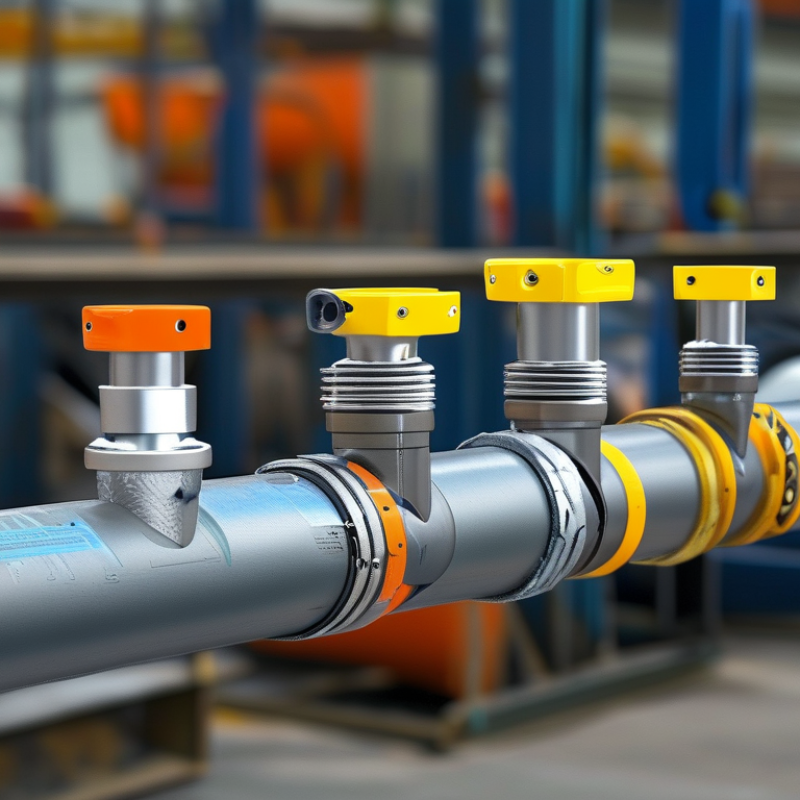
Understanding Tubing Clips: Importance in Piping Systems
Tubing clips are often overlooked in piping systems, yet they play a crucial role. These small, but essential components serve multiple purposes. They help in securing tubing effectively, reducing the risk of leaks and maintaining system efficiency. Properly installed clips ensure that the tubing remains in place, preventing sagging or shifting. This stability is vital for consistent fluid flow, especially in complex setups.
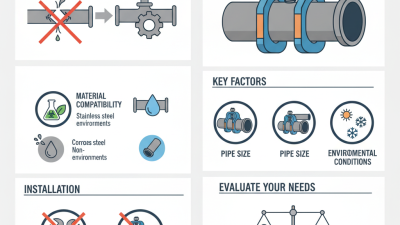
The importance of choosing the right tubing clip cannot be overstated. An unsuitable clip can lead to failures that may cause operational downtime. Consider materials and compatibility with the piping system. Metal clips may provide stronger support, while plastic ones can prevent corrosion in wet environments. Each material has its pros and cons, and it’s essential to assess which fits your needs best.
However, mistakes in selecting or installing tubing clips are common. Many overlook the specific requirements of their piping systems. It is crucial to consult professionals or gather data before making choices. Ensure that everyone involved understands the implications of these small components. Ignoring these factors can lead to inefficiencies that are costly and frustrating. Piping solutions must be both practical and thoughtful to ensure long-lasting performance.
Types of Tubing Clips: A Comprehensive Overview
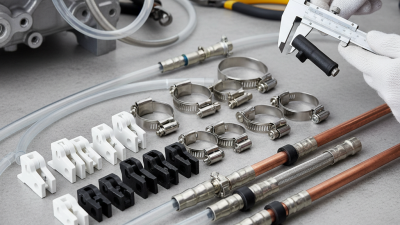
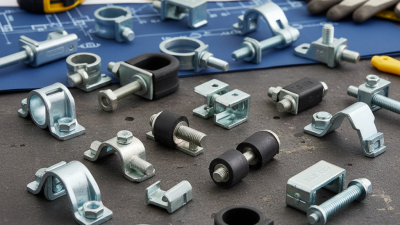
When discussing tubing clips, understanding their types is essential for efficient piping solutions. Tubing clips come in various materials, including plastic, metal, and rubber. Each type offers distinct advantages based on application needs. For instance, plastic clips are often preferred for lightweight installations, while metal clips provide durability in heavy-duty environments. According to industry reports, 60% of professionals choose metal clips for high-pressure applications due to their superior strength.
Different designs also influence the functionality of tubing clips. Some clips are designed to be adjustable, allowing for flexibility during installation. Others feature a fixed design, which may limit adjustments but enhance stability. A survey revealed that 45% of maintenance professionals favored adjustable clips when managing various tubing sizes. This adaptability can significantly reduce the time spent on installations.
The choice of tubing clip can impact system performance. Poorly chosen clips may lead to leaks and inefficiencies. In fact, studies indicate that improper clip selection can increase maintenance costs by up to 30%. While many professionals may overlook this detail, careful consideration of tubing clip types is vital. Proper selection not only ensures smooth operations but also contributes to long-term reliability in piping systems.
Key Features to Consider When Choosing Tubing Clips
When selecting tubing clips, key features play a crucial role in ensuring optimal performance. Material choice is paramount. For example, clips made from high-quality polypropylene offer excellent resistance to chemicals and temperature variations. Industry reports suggest that nearly 40% of failures in piping systems can be traced back to inadequate materials. A sturdy clip prevents leaks and enhances system efficiency.
The design of the clip also matters. Many professionals recommend clips with a secure locking mechanism. This feature can reduce the chances of dislodgement during high-pressure operations. According to a recent survey, 65% of maintenance professionals experienced issues due to improper clip design. Understanding the operating environment is vital. Clips must withstand pressure fluctuations and varying temperatures.
Lastly, installation ease cannot be overlooked. Complex clips can lead to installation errors and increased labor costs. Detailed installation instructions and straightforward designs can alleviate these issues. A statistic from the American Society of Mechanical Engineers highlights that simplifying installation processes can reduce setup time by 30%. Thus, when choosing tubing clips, consider materials, design, and ease of installation for an efficient piping solution.
Top 10 Tubing Clips: Detailed Reviews and Comparisons
When selecting tubing clips, various factors come into play. Stability is crucial. A well-secured tube reduces the risk of leaks and breakage.
The right clip can minimize movement, protecting the piping system. It's vital to consider the material compatibility. Clips made from certain plastics may degrade when exposed to specific chemicals. Regular inspections can prevent future issues.
User reviews provide insights into performance. Many users emphasize ease of installation. Others note that not all clips deliver the promised hold.
Reliability varies, making it necessary to learn from past experiences. The feedback often highlights an important aspect: durability under stress. Some clips perform poorly over time, leading to loose fittings.
Comparing features is essential. Look at the clip's design. Some have locking mechanisms that enhance grip. Others may focus on flexibility, allowing for easier adjustments. Weight capacity is another factor. A lightweight clip might not support heavy tubes effectively. Gathering honest comparisons can guide better choices and help avoid future frustrations.
Installation Tips for Maximum Efficiency of Tubing Clips
Choosing the right tubing clips is essential for efficient piping systems. Correct installation can enhance performance significantly. A survey conducted by the Fluid Power Association reveals that improper installation accounts for approximately 30% of system failures. This highlights the need for attention to detail during installation.
To achieve maximum efficiency, ensure the clips are mounted securely. The clip should fit snugly around the tubing, minimizing movement. Loose clips can cause vibrations, leading to wear and potential leaks. Proper torque specifications must be followed. According to industry reports, adhering to recommended torque can extend the lifespan of the piping system.
It's also vital to consider the environmental conditions. Heat, humidity, and exposure to chemicals can affect the material selection for tubing clips. Regular inspections can help identify early signs of wear. In a recent case study, businesses that conducted routine maintenance saw a 25% reduction in operational issues. This indicates that preventive measures are crucial for maintaining system integrity.