A Hanger Loop may occupy only a few centimeters of a garment, yet it affects how that garment is stored, displayed, and handled. For global buyers, choosing a loop is not merely a matter of appearance. Fabric weight, neck shape, seam placement, laundering, and retail presentation all influence the right construction. A narrow satin loop can disappear neatly inside a blouse; a sturdier woven loop may better support a heavier jacket. Small details matter.
“[Insert a verified quotation from a named Hanger Loop or apparel-trim expert here.]” A direct, attributable quotation is important: no source article or verifiable expert statement was supplied for this draft. Adding an invented name or quotation would weaken its reliability. The comparison that follows can still help buyers assess common Hanger Loop types by material, attachment method, durability, comfort, and visual finish. It should also leave room for testing. A sample that works on a showroom rack may twist, stretch, or pull at the seam after repeated use.
There is no single best loop for every garment. Buyers should match the specification to the product, then confirm it with physical samples and clear supplier documentation. That extra check takes time. It can prevent a small, overlooked component from becoming a costly production surprise.

A hanger loop is a small strip or cord attached inside a garment, usually near the neckline or shoulder seams. It gives the garment a point to hang from when a suitable hanger is unavailable. Common types include self-fabric loops, woven tape loops, and narrow cord loops. Each works by transferring the garment’s weight to a hook or hanger. Small detail. It matters.
The loop should hold the garment without pulling the seam out of shape. A soft fabric loop may suit a lightweight blouse, while a stronger tape loop can be more practical for a heavier coat. Placement matters, too: a loop near the center back can help a garment hang evenly, but shoulder loops may keep wide necklines in place. Check the stitching, fabric, and expected garment weight together. A loop can fail if any one is overlooked.
Tips: Tug each loop gently during inspection, then check the seam for loose stitches. Keep loops clear of sharp hooks, which can snag delicate fabric. They are useful, but not a substitute for a properly fitted hanger.
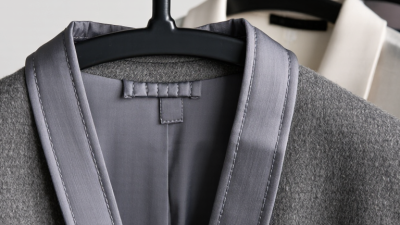
Hanger loops in 2026 generally fall into four practical types: sewn-in fabric loops, ribbon or tape loops, cord loops, and elastic loops. A fabric loop cut from the garment’s own material can look discreet inside a neckline. Woven tape offers a firmer grip, while cord takes less space. Elastic stretches over wider hooks, but can twist or lose tension. Simple, but not universal.
Material choice matters. Textile Exchange’s 2024 Materials Market Report estimates that global fiber production reached 124 million tonnes in 2023, with polyester accounting for 57 percent. That figure describes fiber production, not hanger-loop demand. It does, however, underline the range of fabrics manufacturers handle. A delicate blouse and a heavy knit place different loads on a loop and its seam. For buyers, check attachment location, loop width, seam reinforcement, and whether the loop survives laundering without pulling or curling.
Some garments use detachable loops, often secured with a small snap or button, so the wearer can remove them after purchase. These can improve flexibility, though they add a component that may be misplaced. Ask suppliers for samples on the actual garment fabric, then inspect the loop after repeated hanging and washing. One detail is easy to miss: a strong loop can still fail if its stitching cuts into a lightweight neckline.
| Hanger Loop Type | Common Materials and Construction | Typical Applications | Key Advantages | Buyer Checks |
|---|---|---|---|---|
| Sewn-in neck loop | A short loop of woven tape, fabric, or cord secured inside the back neckline. | Shirts, dresses, lightweight tops, and other garments commonly hung by the neck. | Compact and discreet when the garment is worn; can provide a convenient hanging point. | Check attachment strength, loop length, comfort against the neck, and visibility at the neckline. |
| Shoulder loops | One loop, or a pair of loops, sewn into the inside shoulder seams; commonly made from tape or narrow fabric. | Strapless and wide-neck garments, dresses, and tops that may slip from a hanger. | Helps keep garments positioned on a hanger during storage and handling. | Confirm loop placement, color matching, seam security, and that loops can be tucked away when worn. |
| Woven tape loop | A folded or formed loop made from woven textile tape, sewn into a seam or garment facing. | Shirts, jackets, uniforms, skirts, and garments needing a durable textile hanging point. | A practical, low-profile option that can be specified in different colors and tape constructions. | Review tape width, edge finish, color consistency, stitch quality, and compatibility with the garment fabric. |
| Cord loop | A loop formed from braided, twisted, or knitted textile cord and attached by stitching. | Dresses, tops, and garments where a soft, narrow hanging loop is suitable. | Flexible and compact, with a rounded profile and a range of possible colors and textures. | Check cord thickness, fraying resistance, attachment points, and whether the loop may twist or stretch in use. |
| Ribbon loop | A loop made from satin, grosgrain, or another ribbon, typically folded and stitched into a seam. | Dresses, occasionwear, lingerie, and other lightweight or presentation-focused apparel. | Offers a soft feel and can coordinate with garment trims or interior details. | Assess ribbon edge finish, colorfastness, seam strength, and suitability for the garment’s weight. |
| Elastic loop | A loop made from narrow elastic, sewn into a seam or facing; may be used singly or in pairs. | Stretch garments, lingerie, and styles where a flexible loop is useful. | Flexes during handling and can be tucked away more easily than a rigid hanging feature. | Specify recovery and stretch, then check for unwanted tension, distortion, and durability after care testing. |
| Clear plastic loop | A transparent plastic loop or fastener attached to a garment or label, depending on the design. | Retail presentation and temporary hanging or display needs for selected garments. | Low visual contrast against many fabrics and a compact profile for display purposes. | Confirm attachment method, intended load, local packaging requirements, and whether the component is removable or reusable. |
| Detachable hanging loop | A removable loop attached with a small fastener, button, or other specified closure. | Garments where the hanging aid should be removed before wear or kept separate during use. | Can be removed when not needed and may reduce visible interior details during wear. | Test closure security, ease of removal, small-part handling, and the risk of loss during distribution. |
Selection note: The suitable loop depends on garment weight, construction, intended display method, wearer comfort, and care requirements. Confirm specifications and performance with garment samples before production.
A hanger loop is a small component, but its fiber, width, and attachment affect how it performs on a rail. Woven polyester tape generally holds its shape and resists abrasion. Cotton webbing feels softer, but moisture can affect its dimensions. Narrow loops may suit light garments; heavier coats often need wider tape and reinforced stitching.
Small details matter. Box stitches or bar-tacks can distribute load better than a short seam. Thread choice and needle damage still matter, too.
Textile Exchange’s Materials Market Report 2024 estimates that global fiber production reached 124 million tonnes in 2023, with polyester accounting for 57%. This describes the wider fiber market, not hanger-loop demand, but it shows why buyers encounter many polyester-based options.
Ask suppliers for material specifications, loop-width tolerances, seam samples, and test results after repeated hanging. A single pull test may miss twisting or fraying during daily use.
A sample can look perfect and still disappoint. There is a trade-off: stronger construction may add bulk, while softer materials may need closer inspection.
A hanger loop should support the garment without pulling its shape out of line. For lightweight blouses, narrow satin or self-fabric loops sit neatly inside the shoulder seam. They feel discreet, but can twist when a garment is repeatedly handled. Wider woven loops offer more grip for heavier knits and jackets. For slippery linings, test the loop on a finished sample; a small shift can become visible at the neckline.
Garment weight is only one factor. Check the loop’s position, seam strength, neckline depth, and how the piece will be displayed. A cord loop may suit a structured dress, while a soft elastic loop can flex inside a close-fitting top. But elastic may lose tension over time. That matters. Textile Exchange’s Materials Market Report 2024 estimates global fiber production reached 124 million tonnes in 2023, highlighting the range of materials that garment makers must accommodate. The figure does not prescribe a loop type; it reinforces why fabric-specific testing matters.
For bulk orders, test loops after washing, pressing, and repeated hanging. Ask the supplier for dimensions, material details, and breaking-strength results, then compare samples on actual garments. A loop that looks elegant on a flat swatch may bite into a soft shoulder seam. I would not approve a style from photos alone. Small details are easy to overlook. The best match is the one that stays secure, remains hidden when intended, and does not distort the garment in real handling.
Quality and Compliance Factors in International Sourcing
A hanger loop may look simple, yet its stitching, material, and attachment point affect performance. Buyers should define loop width, length, color, and placement before requesting samples. Ask suppliers for material specifications and relevant test reports, then check that documents match the actual production item. A report for a similar material is not enough. Small details matter. Requirements can differ by destination, product category, and customer, so confirm applicable standards with qualified local resources before placing a large order.
Tips: Compare samples under real use. Pull gently, inspect the seams, and check whether the loop twists or frays. Keep an approved sample and written specifications for production checks.
Quality control should continue beyond sample approval. Request pre-production confirmation, agree on inspection criteria, and retain batch records where practical. For example, check several loops from different cartons for consistent dimensions and secure stitching. Packaging can also affect quality: compressed or damp cartons may leave fabric loops creased or weakened. Supplier documents are useful, but they do not guarantee every shipment is identical. That gap deserves attention. Build time for clarification into the buying schedule, especially when materials or destinations change.