Top 5 Pipe Hanger Tips for Efficient Installation?
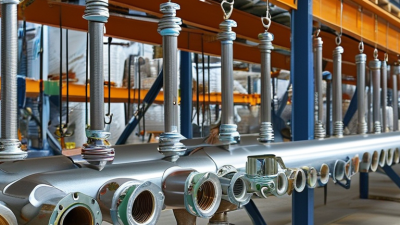
In the world of plumbing and construction, the efficiency of pipe installations greatly relies on proper support systems. Experts like John Smith, a seasoned engineer in the Pipe Hanger industry, emphasize, "The right Pipe Hanger not only ensures safety but enhances overall project efficiency." Proper installation techniques can make a significant difference in the longevity and performance of piping systems.
Many professionals overlook the nuances of pipe hanger installation. This can lead to potential failures or costly repairs down the line. Selecting suitable materials, adhering to weight limits, and ensuring proper spacing between hangers are critical steps. When installation is rushed, it often results in mistakes that compromise the system’s integrity.
Attention to detail is vital. Observing industry standards and guidelines can help prevent headaches during the installation process. A well-planned installation saves time and reduces frustration. While shortcuts may seem tempting, they rarely pay off in the long run. Pipe Hanger choices should be made thoughtfully. Proper education and expertise in the field can lead to smoother installations and better outcomes.
Understanding the Importance of Proper Pipe Hanger Installation
Proper pipe hanger installation is crucial for ensuring system efficiency and longevity. According to the Pipe Support and Hanger Manufacturers Association, nearly 85% of system failures are linked to improper support systems. This highlights the need for precise installation methods. Inadequate hangers can lead to pipe sagging, misalignment, and increased wear on the system.
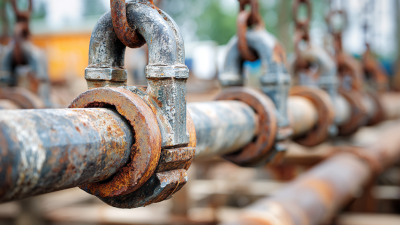
Selecting the correct type of pipe hanger based on the application is essential. For instance, carbon steel hangers may corrode in humid environments, leading to failures. Data from industry reports show that environments with high humidity can decrease hanger lifespan by up to 40%. These factors emphasize the importance of regular inspections and maintenance to avoid costly repairs and downtime.
It is important to adhere to national codes, such as the ASME B31 series, during installation. However, many installers overlook these guidelines, which can have severe implications. A lack of expertise in understanding pipe weights and supporting distances often occurs. This can result in under or over-support, both of which can cause significant issues. Engaging in training and collaborating with experienced professionals could address these shortcomings.
Selecting the Right Type of Pipe Hangers for Your Project
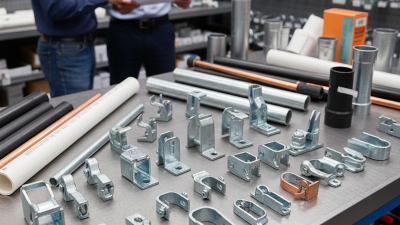
Choosing the right type of pipe hangers is vital for any plumbing project. The selection process requires careful consideration of the materials, weight, and specific application of the pipes.
Metal hangers are commonly used for their strength, but they can corrode. Plastics offer a lighter alternative and resist rust but may not support heavier loads. Knowing which type fits your needs can prevent future issues.
The installation environment also plays a key role. Hangers must withstand temperature fluctuations and humidity levels. For instance, a damp environment may require hangers that resist moisture. Incorrect choices often lead to failure, resulting in costly repairs.
It's essential to review the hangers’ load ratings and compatibility with insulation materials. This attention to detail enhances both functionality and longevity.
Finally, always consider local building codes. Compliance ensures safety and reliability in your installation. Some projects may require specific types of hangers to align with regulations. Failing to do so can lead to complications down the line.
Take time to reflect on your options, and don't rush the decision-making process. Proper planning today can save you from headaches tomorrow.
Key Measurements and Guidelines for Accurate Placement
Accurate placement of pipe hangers is crucial for effective installation. Proper measurements ensure stability and reduce the risk of future repairs. According to industry studies, improper hanger placement can lead to significant structural issues. These mistakes could cost thousands in repairs.
One essential tip is to maintain a consistent spacing between hangers. A common rule of thumb is to space hangers every 10 feet for horizontal pipes. For larger pipes, the spacing can vary based on pipe size and weight. For instance, pipes 2 inches in diameter typically require hangers every 8 to 10 feet.
Another critical factor is the height of the hangers. They should support the pipe’s weight without causing undue stress. Measure the total weight of the pipeline, including insulation. This allows for accurate spacing and reinforcement where necessary. Always double-check your measurements against industry standards for safety. Following these guidelines can prevent costly mistakes and ensure a smooth installation process.
Best Practices for Securing and Supporting Pipes Effectively
When installing pipes, securing them properly is crucial. Using the right pipe hangers is essential for stability. Select hangers that fit the pipe diameter. This choice ensures effective support and minimizes movement. Proper alignment is also key. Misaligned pipes can lead to leaks and damage down the line. Double-check alignments before securing the hangers.
Take care with spacing. Hangers should be installed at regular intervals based on pipe size and weight. For heavier pipes, closer hangers provide better support. Proper spacing reduces stress on the pipes. Don’t overlook the material of the hangers. Corrosion-resistant materials extend the lifespan of the installation. This attention to detail pays off in the long run.
Installation can be tricky. It’s easy to make mistakes, like over-tightening. This can damage the pipes and lead to failures. Regular checks after installation help catch any potential issues early. Being attentive during installation reduces future maintenance needs. Make sure to involve experienced professionals when necessary. Their insight can improve the reliability of your installation.
Common Mistakes to Avoid During Pipe Hanger Installation
When installing pipe hangers, avoiding common mistakes is essential for a successful setup. One frequent error is neglecting to choose the appropriate hanger type for the pipe. Different pipes require different hangers to support weight and movement. Using a hanger that doesn’t match can lead to excessive strain. It is important to understand the specifications of your pipes before installation.
Another mistake is improper spacing between hangers. Many installers place hangers too far apart, which can cause sagging or misalignment. Ideally, hangers should support the pipes closely enough to prevent any movement. The recommended distance varies among materials and sizes, so always check guidelines. Not planning for thermal expansion is another oversight. As pipes heat up, they expand. Without proper allowances, this can create pressure points or damage.
Lastly, over-tightening hangers can lead to cracks or damage. Installers often think tighter means better support. This isn’t the case. A snug fit ensures security while allowing for some movement. It’s important to strike a balance. Reflect on these common oversights as they can impact the integrity of your entire piping system.
Top 5 Common Mistakes to Avoid During Pipe Hanger Installation