10 Essential Tips for Choosing the Right Pipe Hanger?
Choosing the right pipe hanger is crucial for any plumbing project. A pipe hanger provides essential support for piping systems. This support ensures stability and safety, preventing costly damages and failures. However, selecting the perfect pipe hanger can be overwhelming.
There are various types available, each suited for specific applications. Factors such as weight, material, and environmental conditions play a significant role. Understanding these elements can lead to better choices. Shop owners and contractors often face challenges regarding durability and load limits. It's vital to avoid common mistakes in this selection process.
An informed decision can greatly enhance your project's longevity. Therefore, gathering reliable information is essential. Consider not just your immediate needs, but also future requirements. Precision in choosing pipe hangers can prevent significant issues down the line. Explore these ten essential tips to help streamline your decision-making process in choosing the right pipe hanger.
Understanding the Different Types of Pipe Hangers Available
When it comes to pipe hangers, understanding the various types available is crucial.
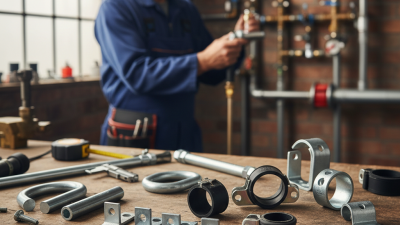
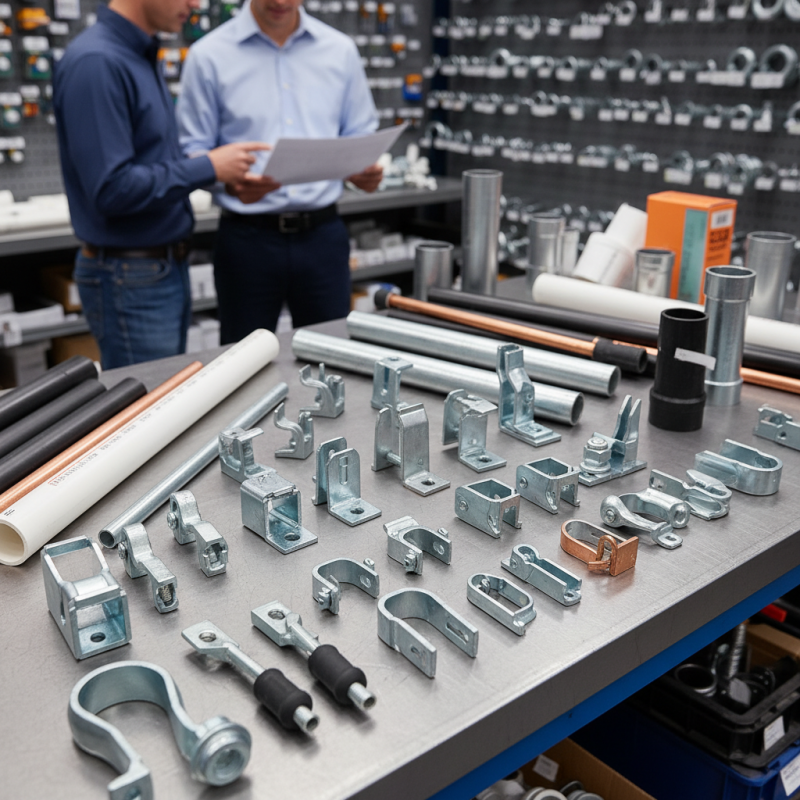
There are several styles, including adjustable clamps, loop hangers, and brackets. Each type serves a different purpose.
Adjustable clamps offer flexibility for varying pipe sizes. Loop hangers support pipes from above, providing stability. Brackets secure pipes against walls, useful in tight spaces.
Choosing the right type also involves considering the material of the hanger. Steel and plastic are common choices.
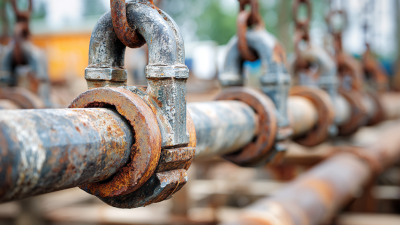
Steel is durable and handles heavy loads. However, it can corrode if exposed to moisture. Plastic hangers are lighter and resistant to corrosion but might not support as much weight.
Think about your environment when making a selection.
Another factor is the installation process. Some hangers are easy to install, while others may require special tools.
For instance, adjustable clamps can usually be installed with basic tools. On the other hand, complex setups can lead to errors.
Regularly inspect your hangers to ensure they maintain structural integrity over time.
This prevents future problems and enhances safety.
Key Factors to Consider When Selecting Pipe Hangers
Choosing the right pipe hanger requires careful consideration. The material of the hanger plays a critical role in its performance. Common choices include stainless steel, plastic, and galvanized options. Each material has its strengths. For instance, stainless steel is durable and corrosion-resistant. However, it might be overkill for low-pressure applications.
Load capacity is another key factor. Ensure the hanger can support the weight of the pipes without risk. You may need to consult load charts to make informed decisions. Overloading a hanger can lead to failures and costly repairs.
Installation location also matters. Consider the temperature fluctuations in your environment. Certain hangers perform poorly in extreme heat or cold. It's essential to account for expansion and contraction. Take time to assess the layout of your piping system. A rushed decision might overlook critical elements like vibration. Reflection on these aspects will lead to a safer and more efficient installation.
10 Essential Tips for Choosing the Right Pipe Hanger
This bar chart represents the key factors to consider when selecting pipe hangers, based on average importance ratings from various industry professionals.
Evaluating Load Requirements for Pipe Support Systems
When selecting a pipe hanger, evaluating load requirements is crucial. Every pipe carries a different weight, influenced by its contents. Understanding this weight will help in determining the type of hanger necessary. Many neglect the importance of this step. Inadequate support can lead to issues.
Consider the maximum load that the pipe may bear. A change in fluid density or temperature can alter the load. For instance, hot water pipes expand more than cold ones. This requires a more flexible hanger design. It’s vital to account for potential fluctuations. Misjudging loads can lead to pipe failure.
Furthermore, ensure the hangers are made from materials suitable for the environment. Corrosion can weaken hangers over time. Inspect the hanger regularly for signs of wear. Recognizing these details can prevent costly repairs. Proper evaluation of load requirements and regular maintenance go a long way in ensuring a reliable pipe support system.
Material Selection: Choosing the Right Hanger Material
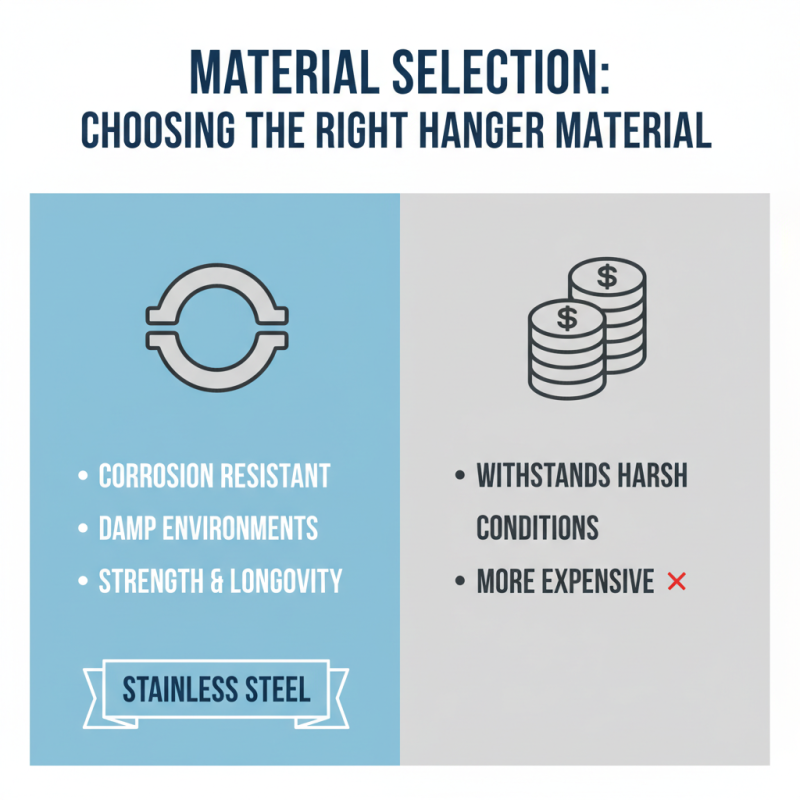
When choosing the right pipe hanger, material selection plays a crucial role. Opt for materials that resist corrosion, especially in damp environments. Stainless steel is a common choice for its strength and longevity. It withstands harsh conditions well, but it can be more expensive.
Plastic hangers are another option. They are lightweight and resistant to rust. However, they may not support heavy pipes. Polypropylene is a popular plastic type, but it can become brittle over time. This raises questions about long-term reliability.
Inspect the load requirements of your pipes too. Some materials might not bear specific weights effectively. If you're uncertain, consider consulting experts in the field. Knowing the right material can save time and resources. Evaluate your choices carefully, as each material has its advantages and drawbacks.
Installation Guidelines for Proper Pipe Hanger Setup
When setting up pipe hangers, proper installation is crucial for safety and function. A reliable study indicates that improper installation can reduce pipe lifespan by up to 30%. Ensuring that hangers support the pipes correctly prevents sagging, which can lead to leaks or even bursts.
Correct spacing is essential for effective support. The National Fire Protection Association (NFPA) recommends specific distance guidelines based on pipe size and material. For example, for a 2-inch diameter PVC pipe, hangers should be placed every 10 feet. If hangers are too far apart, you risk putting excess stress on the joints, leading to premature failure.
Don’t overlook the materials used for hangers. Steel hangers offer durability, but plastics can provide flexibility, especially in dynamic installations. Each material has its pros and cons. Proper assessment of the environment and pipe usage is vital. An oversight in choosing the right material can compromise system integrity. Pay attention to the load conditions and environmental factors when making your selection to prevent future issues.
10 Essential Tips for Choosing the Right Pipe Hanger
| Tip Number |
Tip |
Description |
Material Recommendation |
| 1 |
Understand Load Requirements |
Determine the weight and type of pipes being supported. |
Steel for heavy loads; PVC for lighter applications. |
| 2 |
Consider Pipe Size |
Select hangers that fit the diameter of your pipes. |
Custom sized hangers may be necessary. |
| 3 |
Evaluate Environmental Factors |
Choose materials that withstand environmental conditions. |
Galvanized steel for outdoor use; stainless steel for corrosive environments. |
| 4 |
Check for Vibration Resistance |
Ensure hangers minimize movement due to vibrations. |
Use resilient hangers or padded supports. |
| 5 |
Assess Installation Location |
Select hangers based on horizontal or vertical applications. |
Use specific hangers for different orientations. |
| 6 |
Plan for Thermal Expansion |
Account for size changes due to temperature fluctuations. |
Use hangers with thermal isolation features. |
| 7 |
Review Local Codes and Standards |
Ensure compliance with building regulations and standards. |
Check local building codes for specific requirements. |
| 8 |
Consider Accessibility for Maintenance |
Ensure hangers allow easy access for future maintenance. |
Design with accessibility in mind. |
| 9 |
Select Appropriate Fasteners |
Use the right type and size of fasteners for secure installation. |
Verify compatibility with hanger specifications. |
| 10 |
Consider Cost and Quality |
Balance between affordability and durability. |
Invest in quality hangers for long-term benefits. |