What is Hub Coupling and How Does It Work?
Hub Coupling is a pivotal component in mechanical engineering, serving to connect two shafts while allowing for slight misalignment. This mechanism plays an essential role in various industries, from automotive to aerospace. Understanding its functionality is vital for professionals and engineers alike.
When a Hub Coupling is installed, it ensures that power transmission occurs smoothly between rotating parts. The design typically incorporates flexible elements, which absorb shocks and vibrations. This flexibility helps in extending the lifespan of machinery. Many professionals rely on these couplings for their efficiency and reliability.
However, it is vital to recognize potential pitfalls. Misjudging the torque requirements can lead to failures in performance. Hence, continuous learning about Hub Coupling remains essential. Balancing expertise with practical experience enhances understanding and usage of this crucial component.
Definition of Hub Coupling and Its Purpose
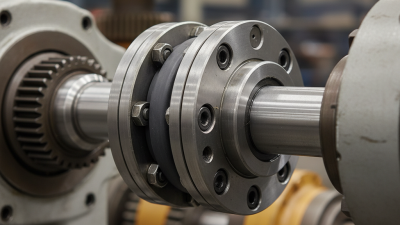
Hub coupling plays an essential role in mechanical systems. It connects various components, allowing for torque transmission. This device is critical in applications such as motors, generators, and pumps. Its primary purpose is to accommodate misalignment between shafts. Misalignment can occur due to installation errors or operational wear. Hub couplings provide flexibility, enabling smooth operation despite these misalignments.
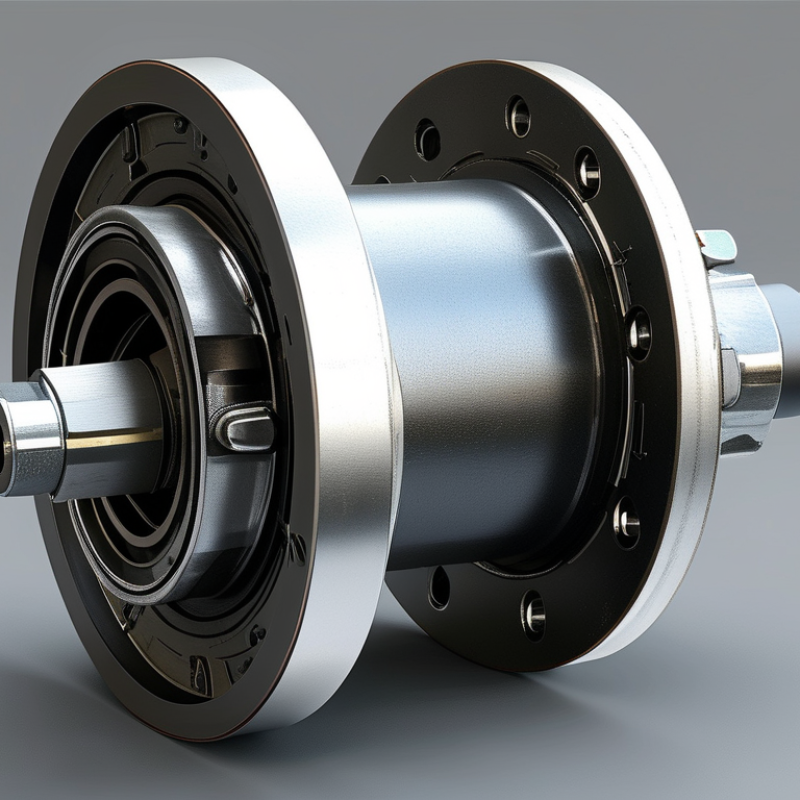
In practical terms, a hub coupling typically consists of two hubs linked by a flexible spacer. This design minimizes wear and tear on connected parts. It also absorbs shocks that could cause damage to equipment. Reliable performance is crucial. Understanding how hub couplings resist forces can improve machinery longevity. However, not all couplings are made equally. Choosing the right type is vital for specific applications. Factors like load capacity and environmental conditions matter significantly. Users must pay attention to these details when selecting a solution.
The effectiveness of hub couplings relies on proper installation and maintenance. Regular inspections can detect early signs of wear. Though straightforward, many overlook this essential task. Identifying issues early can prevent costly repairs. While hub couplings offer flexibility, they also require the right operational conditions. Finding a balance between their capabilities and limitations is essential for optimal performance.
Types of Hub Couplings Used in Various Applications
Hub couplings play an essential role in mechanical systems. They connect two shafts and allow for some misalignment. There are different types of hub couplings that serve various applications across industries. Each type is designed based on specific needs, often influenced by workload and operational conditions.
The most common types of hub couplings include rigid, flexible, and adjustable couplings. Rigid couplings provide a strong connection. They do not allow for any movement between shafts. This makes them suitable for applications where precise alignment is crucial. Flexible couplings, on the other hand, can accommodate some misalignment and shock loads. They are often used in applications like electric motors and pumping systems.
Adjustable couplings provide versatility. These can be modified post-installation to adapt to changing conditions. Choosing the right coupling involves understanding the specifics of the application. Sometimes, certain couplings may not meet expectations due to unforeseen stresses. This often requires reflection and reevaluation of the initial selection.
Proper installation and routine maintenance further enhance the performance of hub couplings. It's important to consider these factors when working with mechanical systems.
Working Principle of Hub Coupling Mechanism
Hub coupling is a crucial component in various mechanical systems, primarily used to connect shafts and transmit torque. The working principle of the hub coupling mechanism revolves around its ability to accommodate misalignment between connected shafts. According to a recent industry report, nearly 40% of mechanical failures stem from alignment issues, highlighting the importance of reliable couplings.
This coupling mechanism often employs a set of elastomeric elements to absorb shocks and vibrations, which ensures smooth operation. The design permits minimal backlash, thus enhancing precision in applications such as robotics and manufacturing. Statistically, systems utilizing high-quality hub couplings can improve operational efficiency by up to 25%, demonstrating their significance in achieving optimal performance.
Despite their benefits, it is essential to assess the wear and tear on these couplings regularly. Over time, the elastomeric materials may degrade, leading to diminished performance. A proactive approach to maintenance can mitigate unexpected downtimes, which statistics show can cost industries millions annually. Continuous monitoring and timely replacements are critical to sustaining the effectiveness of hub couplings in any mechanical system.
Advantages and Disadvantages of Using Hub Couplings
Hub couplings are widely used in various mechanical systems. They serve to connect two shafts while allowing some misalignment. However, like any technology, hub couplings come with advantages and disadvantages that should be carefully considered.
One significant advantage of hub couplings is their ability to absorb shock loads. This characteristic protects other components in the system from sudden impacts. They are also relatively easy to install and maintain. Hub couplings can accommodate axial, radial, and angular misalignments. This flexibility simplifies alignment during installation. Moreover, they have a compact design, saving valuable space in machinery layouts.
On the downside, hub couplings can be less effective in high-speed applications. At elevated speeds, they might introduce vibrations, affecting performance. Additionally, while they can handle misalignment, excessive deviation may lead to premature wear. Long-term use may necessitate frequent inspections and replacements, which could impact operational efficiency. Understanding these pros and cons can help in selecting the right coupling for a specific application.
Advantages and Disadvantages of Hub Couplings
This chart illustrates the advantages and disadvantages of using hub couplings, where the count reflects qualitative assessments of benefits and drawbacks, highlighting their performance in applications.
Maintenance and Troubleshooting for Hub Couplings
Hub couplings play a vital role in many mechanical systems by connecting two shafts. Proper maintenance is crucial for their longevity and efficiency. Regular inspections can help identify wear or misalignment issues before they lead to significant problems. Check for signs of excessive vibration or noise. These may indicate that the coupling is not functioning correctly.
Troubleshooting hub couplings involves a systematic approach. Start by examining the alignment of the shafts. Misalignment can cause increased wear and may lead to an unexpected failure. Measure the gap between the coupling and ensure it meets specifications. If the coupling shows signs of damage, consider the environment it operates in. Dust, heat, or moisture can significantly affect performance. Address these conditions to ensure optimal function.
Documentation is essential for effective maintenance. Keep records of inspections, repairs, and replacements. This will help identify patterns and recurring issues. Encourage feedback from operators, as they often notice changes before they become critical. Evaluate your practices regularly. Seek areas for improvement and adapt to new insights about repair techniques or maintenance schedules.
What is Hub Coupling and How Does It Work? - Maintenance and Troubleshooting for Hub Couplings
| Coupling Type |
Material |
Max Torque (Nm) |
Applications |
Maintenance Interval (months) |
| Elastic Hub Coupling |
Rubber |
200 |
Pumps, Fans |
12 |
| Gear Coupling |
Steel |
500 |
Conveyors, Crushers |
24 |
| Disc Coupling |
Aluminum |
350 |
Compressors, Generators |
18 |
| Flexible Coupling |
Nylon |
150 |
Textile Machines |
10 |
| Rigid Coupling |
Cast Iron |
600 |
Rotary Equipment |
30 |