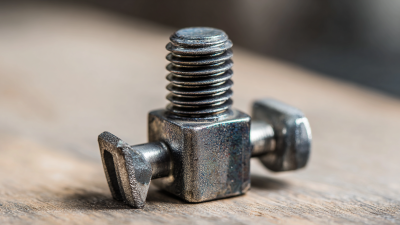
How to Choose the Best Riser Hanger for Your Project?
Choosing the best riser hanger for your project is critical for ensuring structural integrity and compliance with building codes. According to the National Fire Protection Association (NFPA), over 50% of building failures can be attributed to improper installation of mechanical systems, including riser hangers. A well-selected riser hanger not only enhances stability but also improves the overall efficiency of the HVAC and plumbing systems.
When selecting a riser hanger, consider factors such as material, load capacity, and installation requirements. The American Society for Testing and Materials (ASTM) provides guidelines on load-bearing capacities, emphasizing the importance of choosing a hanger that matches the specific demands of your project. Reports show that around 30% of projects experience delays due to improper hanger selection, highlighting the need for careful evaluation.
It's essential to reflect on your choices. Are you prioritizing cost over quality? In this rapidly changing industry, relying solely on generic products could lead to unreliable outcomes. Furthermore, sustainability is becoming a priority, with 72% of industry professionals advocating for eco-friendly materials. The right riser hanger can help achieve project goals without compromising on safety or ecological considerations.
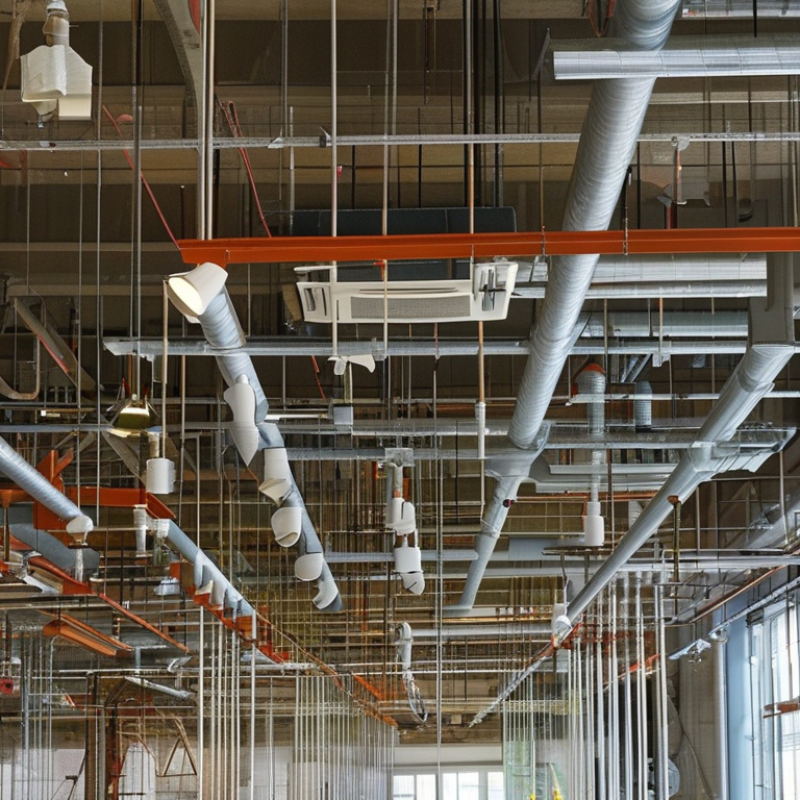
Understanding the Importance of Riser Hangers in Construction Projects
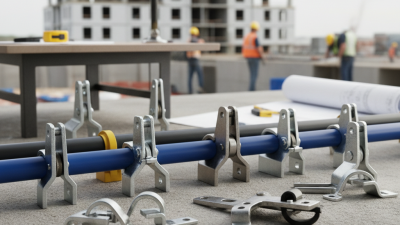
When it comes to construction projects, riser hangers play a crucial role. They support vertical piping and conduits, ensuring stability and safety. Properly installed riser hangers help prevent damage to the pipes. This is essential for maintaining the operational integrity of the entire system.
The selection of the right riser hanger impacts not only the structural integrity but also compliance with building codes. Engineers and contractors need to consider load capacities and environmental factors. Oversized hangers may lead to unnecessary costs, while undersized options could jeopardize safety. It's important to gather feedback from field installations to refine choices over time.
Some might overlook the subtle details in choosing riser hangers. For example, the material and finish can influence durability and corrosion resistance. Regular inspections can highlight wear that may not be immediately visible. Understanding these factors can empower professionals to make better decisions for future projects.
Comparison of Different Types of Riser Hangers
Evaluating the Types of Riser Hangers Available on the Market
When choosing riser hangers for your project, consider the various types available. Each type serves a different purpose and offers unique benefits. For instance, adjustable riser hangers allow for flexibility in height. They work well when installations require precision. On the other hand, solid riser hangers provide stability for more permanent fixtures.
Tips: Ensure your hangers can support the weight. Overloading can lead to structural failures.
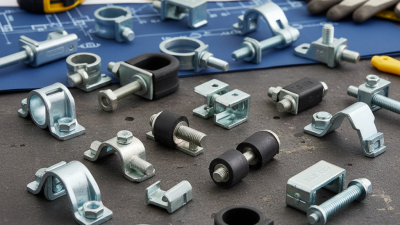
Another consideration is the material of the riser hangers. Steel hangers offer durability and strength, while plastic hangers are lightweight and resistant to corrosion. Evaluate the environment where the hangers will be installed. Wet or humid places may require more robust materials.
Tips: Always check the load ratings on the products. Misjudging these can result in costly mistakes.
Lastly, think about the ease of installation. Some hangers come with pre-drilled holes for quick setup. Others require specific tools and skills. Weigh your team’s experience before making a choice. The right riser hanger can make a significant difference in your project’s outcome.
Key Factors to Consider When Selecting Riser Hangers
Choosing the right riser hanger for your project involves evaluating several key factors. The right hanger can improve the structural integrity and ease of installation. Assess the weight and type of the piping or ductwork. Different materials require specific supports to ensure they are secure. Moreover, consider the environment where the hangers will be installed. Factors like humidity and temperature can impact hanger performance.
Tips: Always check local building codes. Compliance is crucial for safety.
The type of material used for the hangers is another important consideration. Steel, PVC, and copper offer different benefits. Steel is durable but can rust. PVC is resistant to corrosion but may not support heavy loads well. Another factor to think about is the space available for installation. Make sure the hanger doesn’t interfere with other elements.
Tips: Visual inspection can save time. Look for signs of wear or damage before installation.
Finally, ease of installation is vital. Some hangers come with simple mounting options, while others require more effort. Read reviews and consider projects similar to yours to gauge reliability. It’s valuable to learn from others’ experiences to avoid common pitfalls.
Assessing Load Capacity and Compliance Standards for Riser Hangers
When selecting riser hangers for your project, understanding their load capacity is crucial. Load capacity refers to the maximum weight a riser hanger can support without compromising safety. It’s essential to calculate the weight of the pipes and cables you intend to install. This calculation ensures you choose riser hangers that can handle the expected load. Ignoring this step can lead to failures, which may incur high repair costs and project delays.
Compliance with industry standards is another critical factor. Many regulations govern the use of riser hangers, ensuring they meet safety and performance criteria. Familiarize yourself with local building codes and standards that apply to your project. Using hangers that do not comply can result in severe penalties or hazardous conditions. Review the specifications carefully. Lack of attention to detail in this area can lead to significant issues down the line.
It’s also worth considering other factors like material choice and environmental conditions. While steel is strong, it may rust in damp areas. On the other hand, PVC options can deteriorate under UV exposure. Real-world conditions often challenge theoretical knowledge. Always remain adaptable and willing to reassess your choices based on the latest guidelines and practical experiences.
Installation Tips for Optimizing Riser Hanger Performance
When optimizing the performance of riser hangers, proper installation is crucial. Selecting the right hardware is just as important as the installation process itself. Ensure that the hangers are appropriate for the load and specific project conditions. It’s best to consult building codes to avoid future complications.
Consider this: the alignment of riser hangers impacts the overall system efficiency. Misalignment can lead to vibrations and undue stress on plumbing or electrical lines. One effective tip is to use a spirit level during installation. This simple step can prevent issues caused by sloped or uneven hangers.
Moreover, always check the tightness of all fittings after installation. Loose fittings can lead to slippage, compromising the integrity of the system. Regular inspections post-installation can save time and money. Remember, the goal is not just to install but to ensure long-lasting, reliable performance of your riser hangers. Each project is unique, requiring careful consideration and adaptability.
How to Choose the Best Riser Hanger for Your Project? - Installation Tips for Optimizing Riser Hanger Performance
| Riser Hanger Type |
Load Capacity (lbs) |
Material |
Installation Method |
Recommended Usage |
| Vertical Riser Hanger |
200 |
Steel |
Bolted |
HVAC ductwork |
| Adjustable Riser Hanger |
150 |
Aluminum |
Clamped |
Piping systems |
| Swing Riser Hanger |
250 |
Galvanized Steel |
Welded |
Electrical conduits |
| Pipe Riser Hanger |
300 |
Copper |
Screwed |
Plumbing |
| Ceiling Mounted Riser Hanger |
180 |
Plastic |
Hanging |
Light fixtures |