Why Are Pipe Support Brackets Essential for Pipe System Stability?
Pipe Support Brackets play a crucial role in ensuring the stability of pipe systems. These components provide essential support, preventing pipes from sagging or shifting under pressure. With varying temperatures and loads, pipes can experience significant stress. This can lead to misalignment and potential failures if not properly supported.
Properly installed Pipe Support Brackets enhance system integrity. They help distribute weight evenly and manage vibrations caused by fluid movement. Every detail matters, as even minor misalignments can cause leaks or bursts. The material and design of brackets can vary. Choosing the right type is vital.
While many overlook the importance of Pipe Support Brackets, their role cannot be understated. These fixtures are often the unsung heroes in construction and maintenance. Without them, the lifecycle of a piping system could be severely compromised. Engineers must recognize the importance of these brackets in maintaining long-term stability and safety.
Importance of Pipe Support Brackets in Industrial Applications
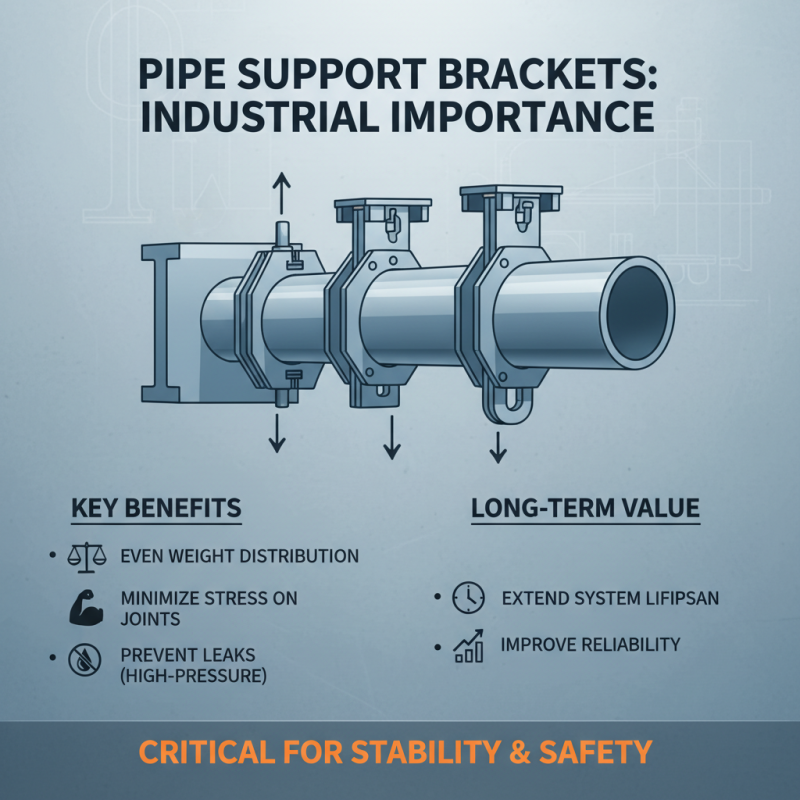
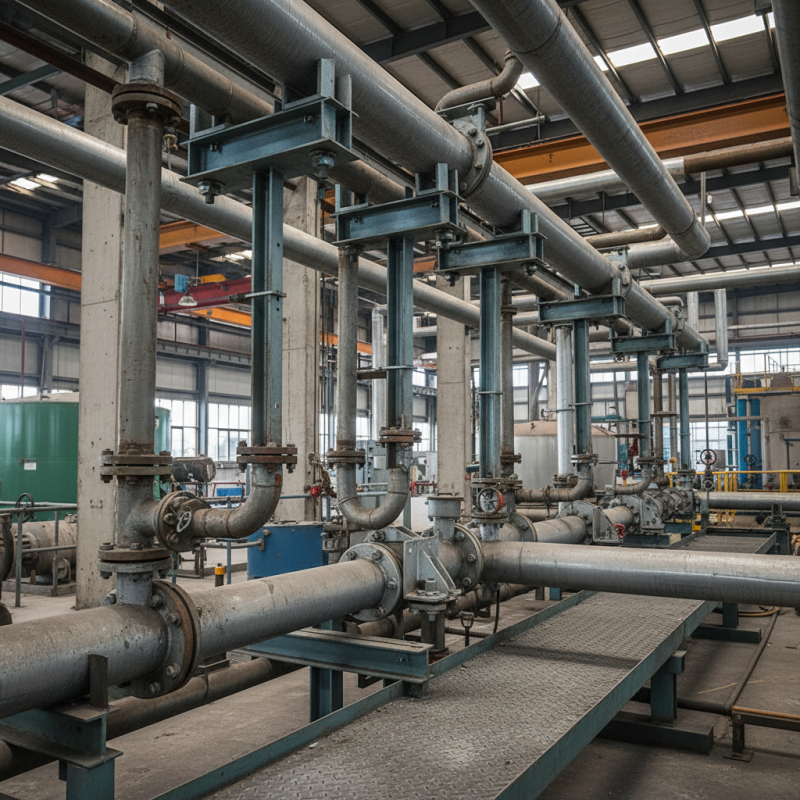
Pipe support brackets play a critical role in ensuring the stability of pipe systems in industrial applications. These brackets help distribute the weight of pipes evenly. They also minimize stress on pipe joints and connections. This is especially important in high-pressure environments where leaks may occur. Properly installed support brackets can extend the life of the piping system.
In industries such as oil and gas, chemical processing, and manufacturing, stability is crucial. Pipe systems often transport hazardous materials. A single failure could lead to dangerous situations. Regular inspections and maintenance of pipe support brackets are essential. If brackets are worn or improperly placed, it can result in system failure.
Investing time in understanding support bracket design is vital. Each type of pipe requires specific support. Using generic solutions often leads to issues down the line. It's important to collaborate with engineers who specialize in pipe support systems. Their expertise can help avoid costly mistakes and ensure a reliable piping infrastructure.
Role of Pipe Support Brackets in Preventing Structural Damage
Pipe support brackets play a critical role in maintaining the integrity of piping systems. By distributing the weight of pipes evenly, they help to prevent sagging and bending. This is especially important in large industrial applications where pipes can weigh hundreds of pounds. Over time, unsupported pipes can cause stress on joints, leading to leaks and potential structural failures.
Proper installation of pipe support brackets is essential. Misalignment can lead to uneven weight distribution, which erodes the pipe material. A single misaligned bracket may not seem significant, yet it can create a ripple effect throughout the system. Regular inspections are crucial. By catching issues early, you can prevent costly repairs and enhance the longevity of your infrastructure.
Material selection for these brackets should not be overlooked. Corrosion-resistant materials offer better durability in harsh environments. However, sometimes the ideal material may not be available, requiring a compromise. It's vital to assess the risks involved when choosing alternatives. The effectiveness of pipe support brackets ultimately depends on thoughtful design and diligent maintenance.
Statistical Impact of Proper Pipe Support on System Longevity
Proper pipe support is crucial for maintaining the stability of pipe systems. A well-supported pipe not only ensures effective operation but also greatly influences the system's longevity. Research shows that systems with adequate support can last significantly longer, reducing the risk of costly outages and repairs. Statistics highlight that failure rates drop by over 30% when appropriate support is utilized.
However, many systems still suffer from insufficient pipe supports. This can lead to sagging, vibrations, and eventual fractures. It's essential to assess the current support structure. Inadequate brackets can compromise the entire system, making it vital for maintenance teams to prioritize this aspect.
Tips: Regular inspection of pipe support brackets can reveal risks early. Ensure brackets are properly aligned and fastened. Consider environmental factors like temperature fluctuations, which can impact the materials used. Staying informed about best practices in pipe support installation can save time and money in the long run. Always seek to improve support methods, as outdated practices can lead to unanticipated failures.
Impact of Proper Pipe Support on System Longevity
Recommendations for Optimal Placement and Spacing of Pipe Brackets
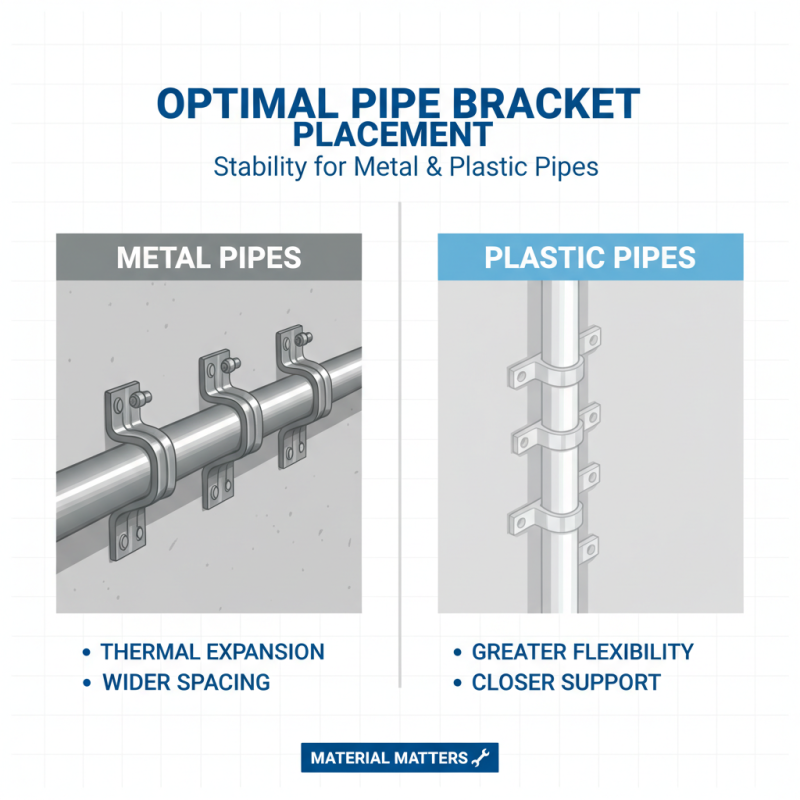
Proper placement and spacing of pipe support brackets are crucial for ensuring the stability of any pipe system. When installing these brackets, it’s essential to consider the type of piping material used. For example, metal pipes may experience thermal expansion, while plastic pipes often require more support due to their flexibility.
Tips: Always consult industry guidelines for spacing recommendations. A common rule of thumb is to place brackets every 10 to 12 feet for rigid materials. For lighter pipes, a gap of 5 to 6 feet may suffice. Adjust based on real-world conditions such as load and environmental factors.
Avoid overcrowding your brackets; this can lead to unnecessary stress. Each bracket should carry an appropriate load without exceeding its limits. Monitor the brackets regularly for signs of wear or misalignment. Addressing issues early can prevent costly repairs later.
Incorporating these best practices will enhance the integrity of your pipe system. It is wise to revisit your bracket placements periodically. Conditions may change, and so should your support strategy.
Materials Used in Pipe Support Brackets and Their Load-Bearing Capacity
Pipe support brackets play a crucial role in maintaining the stability of pipe systems. They ensure that pipes are securely held in place, reducing movement and vibration. A study by the American Society of Mechanical Engineers (ASME) indicates that improper support can lead to significant structural failures. This underlines the importance of selecting the right materials and understanding their load-bearing capacities.
Various materials are used for pipe support brackets, including steel, aluminum, and plastic. Steel brackets are preferred for their high strength. They typically have a load-bearing capacity of up to 50,000 pounds. Aluminum, while lighter, offers a lower capacity—around 25,000 pounds. Plastic brackets, though less common, are used in specific applications due to their corrosion resistance. They usually support significantly less weight, often under 5,000 pounds. Understanding these parameters is critical for engineers.
However, not all brackets perform as expected. Miscalculations in load-bearing can lead to premature failures. Engineers must assess the specific environment and pipe materials before selecting a bracket. The wrong choice can compromise the integrity of the entire system. This nuance in selection emphasizes the need for a comprehensive understanding of both loads and materials in design.
Why Are Pipe Support Brackets Essential for Pipe System Stability?
| Material |
Load-Bearing Capacity (lbs) |
Corrosion Resistance |
Common Applications |
| Steel |
2000 |
Moderate |
Industrial piping systems |
| Stainless Steel |
3000 |
High |
Food processing, chemical plants |
| Aluminum |
1500 |
Moderate |
HVAC systems, lightweight applications |
| Plastic (PVC) |
500 |
Low |
Water and wastewater systems |
| Fiberglass |
1000 |
Moderate |
Chemical processing, corrosive environments |