Best Clevis Hanger Types for Your Next Project?
When embarking on a construction or renovation project, choosing the right hardware is vital. Among these, the Clevis Hanger stands out as a versatile option. These hangers offer robust support for various applications, especially in plumbing and electrical systems. They provide a secure and adjustable way to fasten pipes, conduits, and other equipment.
Understanding the different types of Clevis Hangers can directly affect the success of your project. Each type serves a specific purpose, with variations in material, size, and load capacity. Some hangers excel in heavy-duty environments, while others are more suited for lighter tasks. However, selecting the wrong type can lead to inadequate support or premature wear.
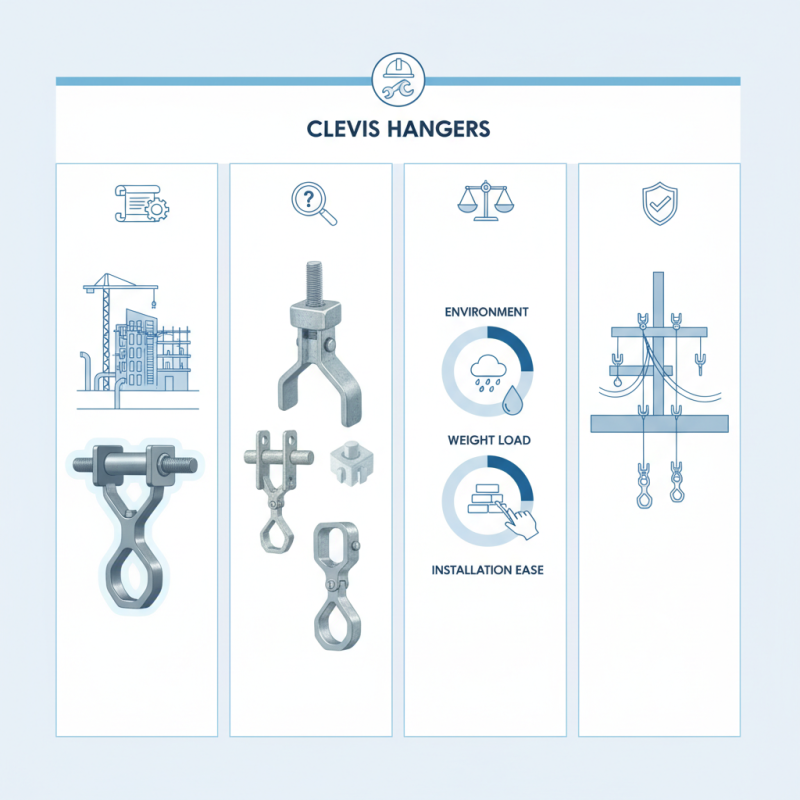
It’s essential to evaluate your project’s requirements before making a choice. Consider factors like environment, weight load, and installation ease. Mistakes in selection can lead to complications down the line. Thus, proper knowledge and planning are crucial when utilizing Clevis Hangers in your next project.
Types of Clevis Hangers: An Overview of Common Varieties
Clevis hangers are essential for supporting pipes and other structures. They offer durability while maintaining flexibility. Various types are available to suit different applications. It's important to choose the right type based on your project's specific needs.
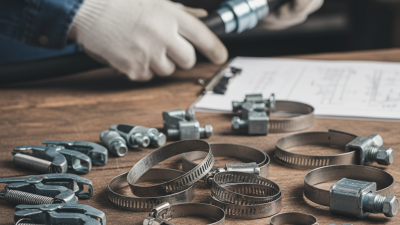
There are standard clevis hangers, widely used for suspended pipes. They provide stability and are easy to install. Adjustable clevis hangers allow for modifications, making them a versatile option. However, one may overlook the importance of spacing and load capacity when installing these hangers. This could lead to issues down the line, such as sagging pipes.
For unique environments, consider specialized clevis hangers. Some are designed for high temperatures, while others resist corrosion. These can be crucial in industrial settings where conditions are harsh. While selecting a hanger, remember that the installation process can be just as critical as the hanger type itself. Take the time to ensure proper alignment and secure fittings to avoid future problems.
Materials Used in Clevis Hangers and Their Impact on Performance
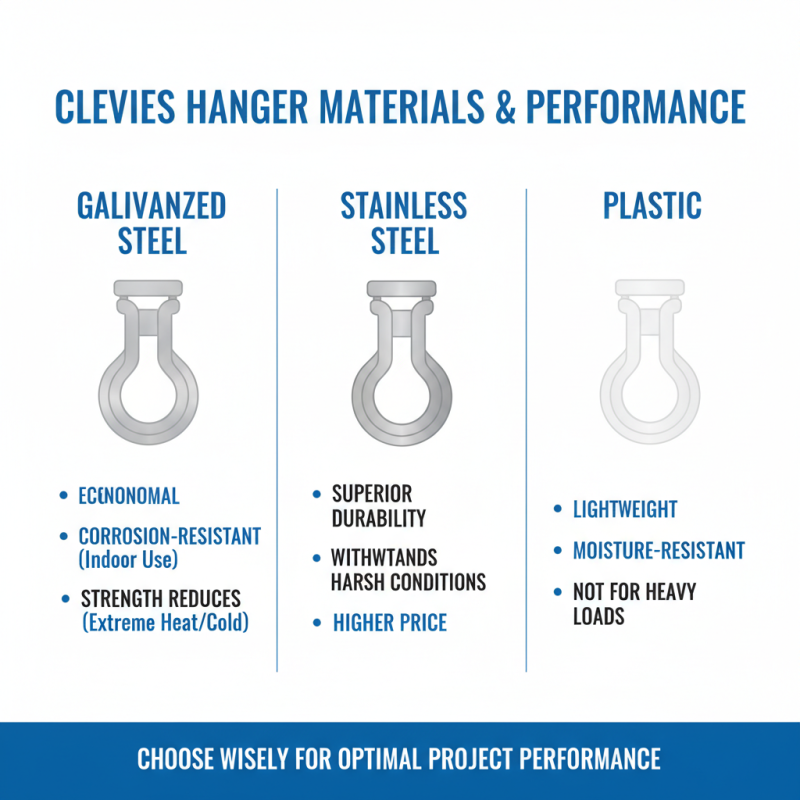
When selecting clevis hangers for your next project, the material used can significantly impact performance. Common materials include galvanized steel, stainless steel, and plastic. Galvanized steel is economical and corrosion-resistant, making it ideal for indoor use. However, its strength can diminish in extreme environments. Stainless steel offers superior durability. It withstands harsher conditions but comes with a higher price tag. Plastic hangers are lightweight and resistant to moisture, yet they may not support heavy loads.
Tips: Consider the specific environment. Humidity and temperature can change how materials perform. Indoor settings may allow for a wider variety of options, while outdoor projects need more robust choices.
Another point to ponder is load capacity. Each material has its limits, and it is crucial to understand these before installation. It's common for users to underestimate the weight-bearing requirements. Overloading a hanger can lead to failure. Always double-check the specifications provided by the manufacturer.
Tips: Use a weight calculator for accuracy. This small step can ensure safety and efficiency. Remember, a smart choice today prevents problems tomorrow.
Applications of Clevis Hangers in Different Industries
Clevis hangers play a crucial role across various industries. In construction, they support pipes, conduits, and ducts, ensuring stability. A report by the Global Pipe Hanger Market suggests a growth of 7.5% annually through 2025. This indicates a rising demand for reliable hanging solutions.
In HVAC systems, clevis hangers help manage air ducts and piping. They reduce noise and minimize vibration. This application is vital for maintaining efficiency in both residential and commercial buildings. A consistent installation improves air quality and energy usage.
Tip: Always choose the right size of clevis hanger for your specific application. Checking load-bearing capacities is essential to avoid structural failures.
In the telecommunications industry, these hangers support cables and wires, preventing damage during storms or high winds. A recent study highlighted that proper support can reduce cable maintenance costs by up to 20%. The durability of the chosen hanger impacts long-term efficiency.
Tip: Consider using insulated clevis hangers in areas exposed to extreme temperatures. They enhance performance and extend the life of the installation.
Maintaining standards in hanger installation is necessary for safety. Regular inspections can help identify wear and tear, ensuring a secure setup. Investing time in this can save costs and increase reliability.
Best Clevis Hanger Types for Your Next Project
This chart illustrates the application frequency of various types of clevis hangers across different industries, showcasing their versatile uses and popularity.
Installation Tips for Clevis Hangers: Best Practices and Techniques
When selecting clevis hangers, proper installation is crucial for safety and performance. Many professionals agree that ensuring the right load-bearing capacity is essential. According to industry reports, up to 25% of project failures stem from improper installation practices. This highlights the importance of thorough planning and execution.
Start by choosing the right type of clevis hanger based on your specific application. Consider factors such as pipe size and material. Many experts recommend using clevis hangers that conform to standards set by organizations like the American National Standards Institute (ANSI). Proper alignment is vital. If the hanger is misaligned, it can lead to undue stress on pipes and cause leaks.
Moreover, always refer to the manufacturer's guidelines for torque specifications. Over-tightening can lead to failures. It's important to regularly inspect installations to ensure they meet ongoing requirements. Data shows that regular maintenance can extend the life of piping systems by nearly 30%. Engaging teams in periodic training on installation techniques can also mitigate risks associated with misinstallation.
Choosing the Right Clevis Hanger for Your Specific Project Needs
When selecting a clevis hanger for your project, understanding specific needs is essential. These hangers come in various styles, each suited for different applications. For instance, a standard clevis works well in many scenarios, especially for lighter loads. Meanwhile, a heavy-duty option may be necessary if you’re supporting larger piping systems.
Consider the environment where the clevis hanger will be installed. If it’s outdoors, corrosion resistance is crucial. A galvanized finish or stainless steel option can enhance durability. Sometimes the available space limits your choices. A compact clevis might fit better in tight spots, ensuring compliance with project specifications.
Reflecting on the installation process is also vital. Taking time to carefully assess load requirements can prevent future issues. Misjudgments in weight capacities often lead to problems down the line. Ensuring the hanger can accommodate potential expansions in the project is equally important. Each project has its unique hurdles, requiring thoughtful consideration of every component used.