How to Choose the Right Steel Hose Clip for Your Needs?
Choosing the right Steel Hose Clip can significantly impact various industries. According to a recent report by Market Insights, the global demand for steel hose clips is projected to grow at a CAGR of 5.8% from 2022 to 2030. This growth reflects the increasing need for secure and durable fastening solutions in construction and automotive applications.
Industry expert Dr. Alan Roberts emphasizes the importance of material compatibility, stating, “Selecting the right Steel Hose Clip prevents leaks and ensures system integrity.” His insight highlights the critical role that material selection plays in achieving reliable performance. Different applications may require specific clip designs, sizes, and strengths for optimal effectiveness.
While the selection process may seem straightforward, it often requires careful consideration. Not all clips are created equal. For instance, stainless steel clips offer superior corrosion resistance compared to galvanized options, particularly in harsh environments. Reflect on your needs and the conditions in which the clips will be used. Understanding these factors can lead to better decision-making in this often-overlooked aspect of engineering solutions.
Understanding the Different Types of Steel Hose Clips Available
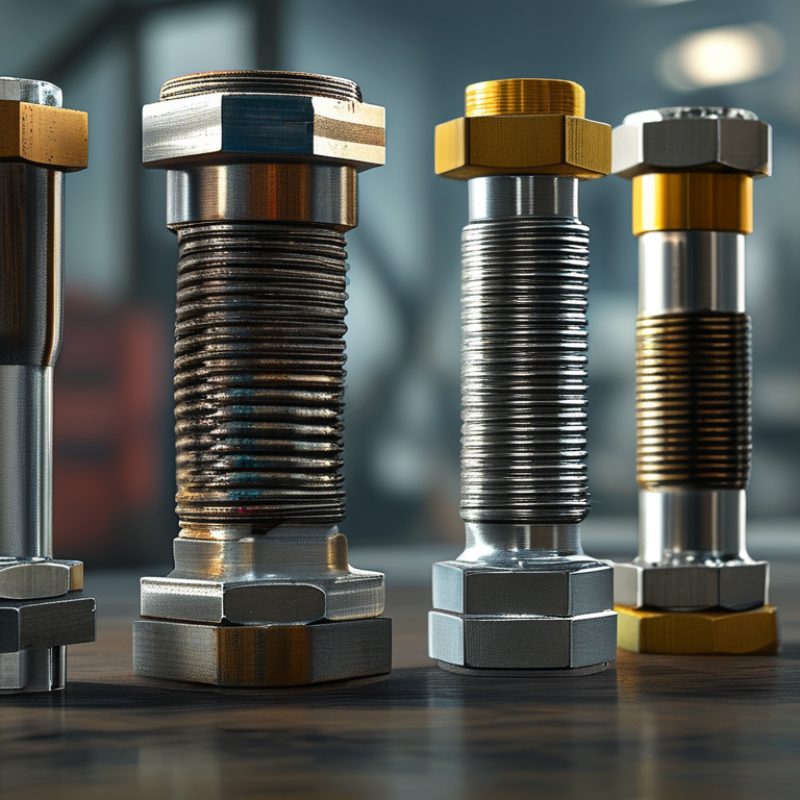
Selecting the right steel hose clip can significantly affect your project. Understanding the various types available is crucial. Common types include worm-drive clips, spring clips, and T-bolt clips. Each has unique features catering to different applications. For example, worm-drive clips are adjustable and versatile, making them suitable for various hose sizes. Spring clips offer a secure grip but are less adjustable. T-bolt clips provide a strong hold for larger hoses under higher pressure.
When choosing a clip, consider the material. Stainless steel options resist corrosion and withstand harsh environments. Galvanized clips offer protection but may not last as long in extreme settings. Always assess the working pressure of your system. Using an inadequate clip can lead to leaks or failures.
For a successful selection, analyze your needs thoroughly. Do not ignore the size of the hose and the environment in which it operates. A mismatch can result in performance issues. Reflecting on past projects can guide your decision-making. Seek advice from experts to avoid common pitfalls. Ensuring reliable connections will ultimately enhance the efficiency of your system.
Key Factors to Consider When Selecting a Steel Hose Clip
When selecting a steel hose clip, several key factors come into play. The first is the size of the hose. A proper fit is critical; a clip that is too tight can damage the hose, while one that is too loose won’t hold securely. According to industry reports, approximately 15% of hose failures result from improper sizing of clips.
Material composition is another important consideration. Steel clips must resist corrosion, especially in outdoor or marine applications. The choice between stainless steel or coated clips can significantly impact longevity. Research indicates that using stainless steel can enhance the lifespan of a clip by up to 30% in challenging environments.
In choosing your clip, be aware of the torque specification. Over-tightening can lead to deformation. A torque wrench can ensure a consistent application of pressure. Identify your working environment; the right clip choice should withstand temperature extremes and mechanical vibrations. Ignoring these factors can lead to system failures, so take the time to assess your needs carefully.
It’s also beneficial to test different clips in a controlled setting. Regularly inspect your clips for wear and tear. Ultimately, thoughtful selection and routine maintenance are essential to ensure the reliability and performance of your hose assembly.
Evaluating the Size and Fit for Your Specific Hose Application
Choosing the right steel hose clip involves careful consideration of size and fit. Many experts agree that the correct fit is crucial for optimal performance. A report by the Hose and Accessories Manufacturers Association (HAMA) states that improper sizing is responsible for up to 30% of hose failures in industrial applications. This underlines the importance of measuring both the outer diameter of the hose and the thickness.
Measuring accurately can prevent leaks or ensure the hose remains securely fastened. A simple measuring tape is often enough. Additionally, awareness of the hose's intended use is vital. For instance, high-pressure environments may require a tighter fit than typical applications. Similarly, temperature variations could affect the material's expansion or contraction. Failing to account for these factors may lead to inadequate sealing or increased wear.
Many professionals suggest conducting practical tests before finalizing your choice. Testing under real operating conditions is essential, even if initial measurements appear perfect. Engaging with industry resources or seeking guidance from experts can further enhance decision-making. Every decision has its trade-offs, and recognizing potential flaws in your choice is key to finding the best fit for your needs.
How to Choose the Right Steel Hose Clip for Your Needs?
This chart illustrates the recommended steel hose clip sizes based on the diameter of the hoses they are meant to secure. It aims to help you evaluate the appropriate size and fit for your specific hose application.
Materials and Durability: Choosing the Right Steel for Hose Clips
When selecting steel hose clips, material choice is crucial. Stainless steel is often preferred for its resistance to rust and corrosion. It is suitable for both outdoor and indoor use. However, not all stainless steels are the same. Different grades offer varied levels of durability and flexibility. Understanding these differences is essential for ensuring long-term performance.
Galvanized steel is another option. It provides good resistance to moisture and is typically less expensive. However, its coating can wear off over time, leading to potential rust exposure. Users should consider the environment where the hose clip will be used. Environments with high humidity or saltwater exposure necessitate more durable materials.
Various factors can influence your selection. While stainless steel clips are robust, they may not be the best budget choice. Ask questions about the lifespan of the clip based on material and intended use. Take your time to evaluate each option. A hasty decision might lead to frequent replacements, causing frustration and increased costs. The right clip should balance cost, durability, and the specific needs of your application.
Installation Tips and Best Practices for Steel Hose Clips
When installing steel hose clips, precision is key. Start by ensuring the hose is properly aligned with the clip. Misalignment can lead to leaks or pressure loss. Use a screwdriver or a wrench to tighten the clip evenly. Over-tightening can damage the hose. It's crucial to find a balance. A snug fit is essential, but excessive pressure may compromise the hose material.
Regularly inspect the clips after installation. Wear and tear can occur over time. Look for signs of rust or wear, especially in outdoor settings. Failing to address these issues promptly can lead to significant problems down the line. If you notice a clip starting to rust, consider replacing it before a failure occurs.
Consider the environment where the clips will be used. High temperatures or corrosive substances may affect the performance. Steel clips might not be suitable in all scenarios. Reflect on your specific requirements. Sometimes, opting for another material could yield better long-term results. Always question whether the current choice meets all your needs effectively.
How to Choose the Right Steel Hose Clip for Your Needs? - Installation Tips and Best Practices for Steel Hose Clips
| Dimension |
Material |
Operating Temperature (°C) |
Tensile Strength (MPa) |
Best Use Case |
| 16mm |
Stainless Steel |
-40 to 150 |
600 |
Hoses in high corrosion environments |
| 20mm |
Carbon Steel |
-20 to 100 |
550 |
Water supply systems |
| 25mm |
Galvanized Steel |
-10 to 120 |
500 |
General purpose hoses |
| 30mm |
Stainless Steel |
-70 to 200 |
600 |
Food and beverage industries |