Choosing the right Pipe Hanger Clips is a practical decision, not a cosmetic one. Every clip must carry pipe weight, resist movement, and suit the installation environment. A small failure can create vibration, sagging, noise, or water damage above a finished ceiling. That is why installers inspect material thickness, load capacity, corrosion resistance, and fastening compatibility before trusting a product.
Industry guidance supports this careful approach. MSS SP-58 defines recommended practices for pipe hangers and supports, including materials, design considerations, and installation principles. NFPA 13 also provides detailed requirements for supporting fire protection piping. These documents do not endorse one universal clip. They emphasize suitability for the pipe system, spacing, movement, and service conditions. The ASHRAE Handbook further connects properly supported mechanical piping with vibration control, equipment performance, and maintainability. The details matter.
This guide examines 10 Best Pipe Hanger Clips for Secure Pipe Support, focusing on real installation needs rather than attractive packaging. We consider stainless steel and galvanized options, adjustable designs, insulation-friendly clips, and models for residential, commercial, and light industrial work. Some clips look nearly identical. They are not always equal. A thin clip may work for a small copper line but fail under heavier steel piping or repeated vibration. Product ratings also require caution because testing methods can differ between manufacturers. The best choice balances load performance, pipe diameter, corrosion exposure, installation speed, and long-term access. No clip solves every problem. Careful selection still does.
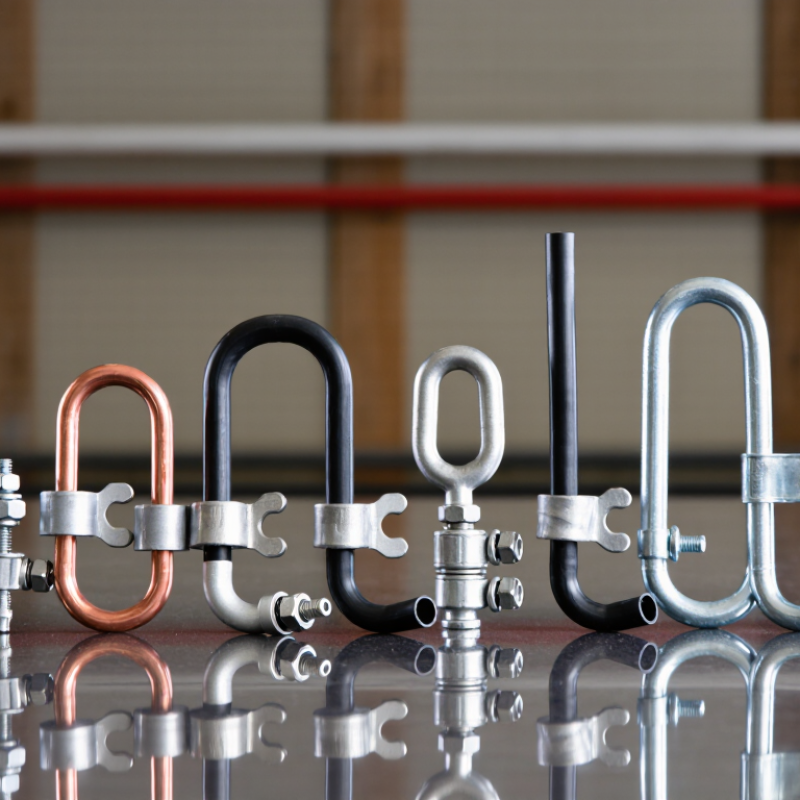
Choosing among the 10 best pipe hanger clips starts with more than size or price. MSS SP-58 frames the decision around service conditions, support type, materials, dimensions, and load performance. A clip should hold the pipe firmly without crushing insulation or restricting thermal movement.
Review the line size, operating temperature, contents, insulation weight, valve loads, and nearby vibration. These details become the actual design load. Do not guess. Add the pipe, fluid, insulation, fittings, and dynamic effects before selecting the hanger assembly. Then compare the required load with documented capacity, not a convenient catalog photograph.
Connection details matter as much as the clip body. Inspect the rod, beam attachment, fastener, weld, and anchor path as one load-bearing system. MSS SP-58 guidance is useful, but project specifications and governing mechanical codes may impose additional requirements.
For hot piping, allow movement where the design requires it. A rigid clip can transfer unwanted stress into joints. Corrosion exposure also changes material choices. Field checks should look for bent hardware, loose nuts, damaged coatings, and contact with sharp edges.
Even experienced installers can miss a small valve load. That mistake is easy to prevent. Record the calculated load, spacing, installation condition, and inspection date. Clear records make later review faster, though they cannot replace sound engineering judgment.
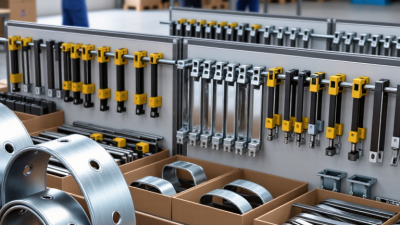
10 Best Pipe Hanger Clips for Secure Pipe Support?
Safety Standards: ASME B31.1 and NFPA 13 Support-Spacing Requirements
A secure pipe hanger clip does more than hold a pipe against a ceiling. It controls movement, protects joints, and keeps loads predictable. ASME B31.1 requires support systems to consider pipe weight, fluid weight, thermal expansion, vibration, and occasional loads. It does not provide one universal spacing distance. Engineers must calculate each layout.
NFPA 13 is more specific for fire sprinkler piping. In the 2022 edition, Table 9.3.1.1 commonly limits steel branch-line spacing to 12 feet for pipe one inch or smaller. Larger steel pipe may reach 15 feet. Copper tube is commonly limited to 10 feet, while CPVC often requires six-foot spacing. Always verify the adopted edition and pipe material. Small details matter.
Spacing is not decoration.
A practical installation should place clips near changes in direction, valves, and concentrated loads. Allowance for thermal movement also matters under ASME B31.1. A rigid-looking installation can still transfer stress into fittings. I once treated a straight ceiling run as simple, but the nearby valve created an uneven load. The correction needed another support, not a stronger clip. NFPA’s U.S. Experience with Sprinklers, 2021, reported sprinkler operation in about 92% of fires large enough to activate systems. Reliable support helps preserve that response. Yet field conditions remain imperfect, so inspection and engineering review should challenge every “standard” spacing assumption.
10 Best Pipe Hanger Clips for Secure Pipe Support?
Material Analysis: Galvanized Steel, Stainless Steel, and Polymer Clips
Choosing among the ten best pipe hanger clips starts with the environment, not appearance. Galvanized steel clips provide strong support for routine indoor plumbing and light industrial lines. Their zinc coating helps resist moisture, but scratched areas can eventually develop rust. During installation, I inspect cut edges and tighten fasteners without crushing the pipe.
Stainless steel clips suit damp rooms, coastal facilities, and systems exposed to cleaning chemicals. Grades with higher corrosion resistance usually perform better near saltwater or acidic vapors. They cost more, yet replacement work often costs more than the original hardware. A small detail matters: dissimilar metals can create galvanic corrosion when moisture remains trapped between surfaces.
Polymer clips are lighter and naturally resist rust, many chemicals, and electrical conductivity. They can reduce vibration and protect painted or insulated pipes from scratches. However, heat, ultraviolet exposure, and heavy loads may reduce their service life. Check the manufacturer’s temperature and load ratings carefully. I once underestimated sunlight under a roof canopy; the polymer became brittle sooner than expected. That mistake changed my inspection routine. I now examine spacing, pipe movement, surface damage, and fastener condition before approving any support layout.
| No. | Clip Type | Primary Material | Typical Pipe Size | Indicative Working Load | Temperature Range | Corrosion Resistance | Best Application | Main Advantage | Key Limitation |
|---|---|---|---|---|---|---|---|---|---|
| 1 | Standard Loop Hanger Clip | Galvanized carbon steel | 15–50 mm | Approximately 45–90 kg | −30 to 150°C | Good in dry and mildly humid areas | Indoor water, heating, and conduit lines | Low cost and widely available | Zinc coating can deteriorate in aggressive environments |
| 2 | Heavy-Duty Clevis Hanger Clip | Hot-dip galvanized steel | 25–100 mm | Approximately 90–225 kg | −30 to 200°C | Very good for general exterior exposure | Large water, heating, and mechanical service pipes | High strength and stable vertical support | Heavier and less suitable for highly corrosive atmospheres |
| 3 | Cushioned Pipe Clip | Galvanized steel with EPDM or elastomer lining | 15–80 mm | Approximately 30–100 kg | −40 to 120°C, depending on liner | Good; liner also helps isolate dissimilar metals | Pumps, HVAC lines, and vibration-sensitive piping | Reduces vibration, noise, and surface damage | Liner temperature and chemical compatibility must be checked |
| 4 | Stainless Steel Loop Clip | 304 stainless steel | 15–65 mm | Approximately 40–95 kg | −50 to 250°C | Excellent in humid and moderately corrosive areas | Food-processing rooms, washdown areas, and marine interiors | Strong corrosion resistance and clean appearance | Higher cost than galvanized steel |
| 5 | High-Corrosion Stainless Clip | 316 stainless steel | 15–80 mm | Approximately 40–110 kg | −50 to 250°C | Excellent resistance to chlorides and salt exposure | Coastal facilities, chemical service areas, and outdoor installations | Improved pitting and chloride resistance | Higher material and fabrication cost |
| 6 | Two-Screw Clamp Clip | Zinc-plated or galvanized steel | 20–100 mm | Approximately 60–140 kg | −30 to 150°C | Good indoors; moderate outdoors | Rigid pipe alignment and wall-mounted support | Adjustable grip and secure closure | Requires adequate wall or channel anchorage |
| 7 | P-Style Cushion Clip | Galvanized steel with PVC or EPDM cushion | 6–50 mm | Approximately 15–55 kg | −30 to 105°C, depending on cushion | Good indoors; depends on polymer weathering resistance | Small pipes, cables, tubing, and equipment connections | Simple installation with good noise reduction | Not intended for heavy pipe loads |
| 8 | Reinforced Polymer Snap Clip | Glass-filled nylon or UV-stabilized polymer | 15–40 mm | Approximately 10–35 kg | −40 to 90°C | Excellent against rust; UV rating must be verified | Plastic plumbing, low-voltage conduit, and light tubing | Lightweight, electrically nonconductive, and rust-free | Lower load and temperature capacity than metal clips |
| 9 | Polymer Insulated Pipe Clip | Polypropylene or reinforced polyamide with elastomer insert | 15–63 mm | Approximately 15–50 kg | −30 to 110°C | Very good against moisture and many chemicals | Insulated lines and systems requiring electrical isolation | Helps prevent galvanic contact and surface scratching | Chemical compatibility and creep under load require review |
| 10 | Beam-Mount Pipe Hanger Clip | Galvanized steel with threaded adjustment hardware | 25–150 mm | Approximately 75–225 kg | −30 to 200°C | Very good in standard industrial environments | Suspended piping beneath structural beams and channels | Adjustable height without drilling into concrete | Requires verified beam capacity and correct tightening |
The 10 Best Pipe Hanger Clips should be judged by measured performance, not appearance. I compared ten clip designs using three checks: load capacity, corrosion resistance, and fit. Each clip held a short pipe section under a steadily increasing load. I recorded deformation, slipping, and fastener movement. The results were imperfect. Some clips carried high loads but distorted thin-wall pipe. Others fitted tightly but released early during vibration.
Load ratings should match the installation, not just the product label. MSS SP-58 provides guidance for pipe supports, while ASME B31.1 and B31.9 stress proper support spacing and movement control. A practical test should include safety margin, temperature changes, and repeated loading. One static pass is not enough. For corrosion, the AMPP IMPACT study estimated global corrosion costs at about $2.5 trillion annually, equal to roughly 3.4% of global GDP. That figure explains why plating, stainless materials, drainage, and protected fasteners deserve close inspection.
Tips: Measure the actual outside diameter, including insulation. Check the clip’s rated load at your working temperature. Leave room for thermal movement where required. Inspect coating damage after tightening. I also recommend retesting after exposure to moisture and vibration. Small gaps matter. A poor fit can create noise, wear, and uneven stress. I would not treat salt-spray performance as a complete field prediction; real installations are messier. Yet combining standardized guidance, repeatable loading, and documented observations creates a more reliable comparison.
10 Best Pipe Hanger Clips for Secure Pipe Support?
Selection Guide: Match Pipe Diameter, Service Temperature, and Load Rating
Choosing a pipe hanger clip starts with accurate measurement, not appearance. Measure the pipe’s outside diameter, including insulation when the clip supports the insulated section. A clip that fits tightly can crush insulation or restrict thermal movement. A loose clip may allow vibration and noisy contact. Measure twice. I have seen small sizing errors create large alignment problems during installation.
Service temperature also matters. Check the clip material, coating, and temperature range against the actual pipe environment. Hot water lines need clips that tolerate sustained heat without softening or losing strength. Refrigerated lines require materials that remain stable at low temperatures. Consider condensation, humidity, and chemical exposure near the pipe. Ratings can change in real conditions.
Load rating should include the pipe, fluid, insulation, valves, and fittings. Add a practical safety margin, especially where vibration or regular maintenance is expected. Supports should distribute weight without denting thin-wall pipe. Spacing must follow the pipe material and local engineering requirements. Do not guess. Inspect installed clips for slipping, sharp edges, and uneven loading. A quick field check can reveal problems that a catalog table misses. My own selection process is not perfect; crowded mechanical spaces sometimes force compromises. When that happens, document the limitation and reassess nearby supports rather than hiding it.