Why Choose No Hub Plumbing for Your Home Needs?
When it comes to plumbing systems, choosing the right type is crucial for long-term functionality. No Hub Plumbing, a method known for its efficient installation and reliability, is gaining traction among homeowners. According to a recent industry report by the Plumbing Manufacturers International (PMI), over 70% of plumbing professionals recommend No Hub systems for residential applications due to their durability and ease of maintenance.
Expert John Smith, a seasoned plumber with over 20 years of experience, emphasizes, "No Hub Plumbing provides a seamless solution, reducing potential leaks and maintenance hassles." This straightforward installation process not only speeds up project timelines but can also save homeowners money on labor costs.
Yet, it's important to consider that No Hub Plumbing may not be suitable for every situation. Some older homes may face compatibility issues. While this system offers various advantages, it requires a thorough assessment to determine its fit. Hence, homeowners should consult with qualified professionals before making a decision. Balancing innovation with practicality is key in modern plumbing.
The Benefits of No Hub Plumbing Systems in Modern Homes
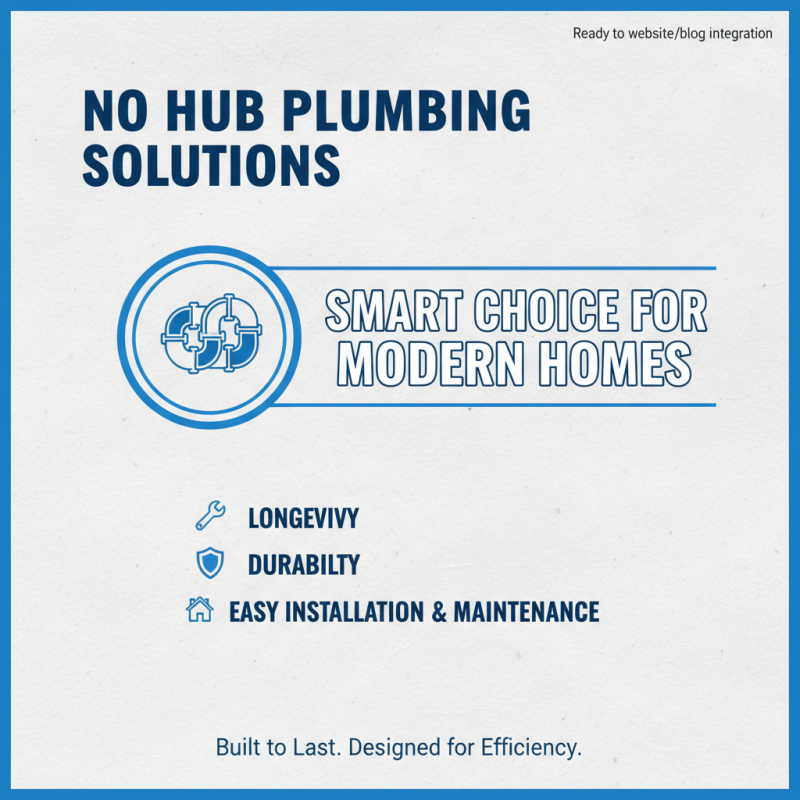
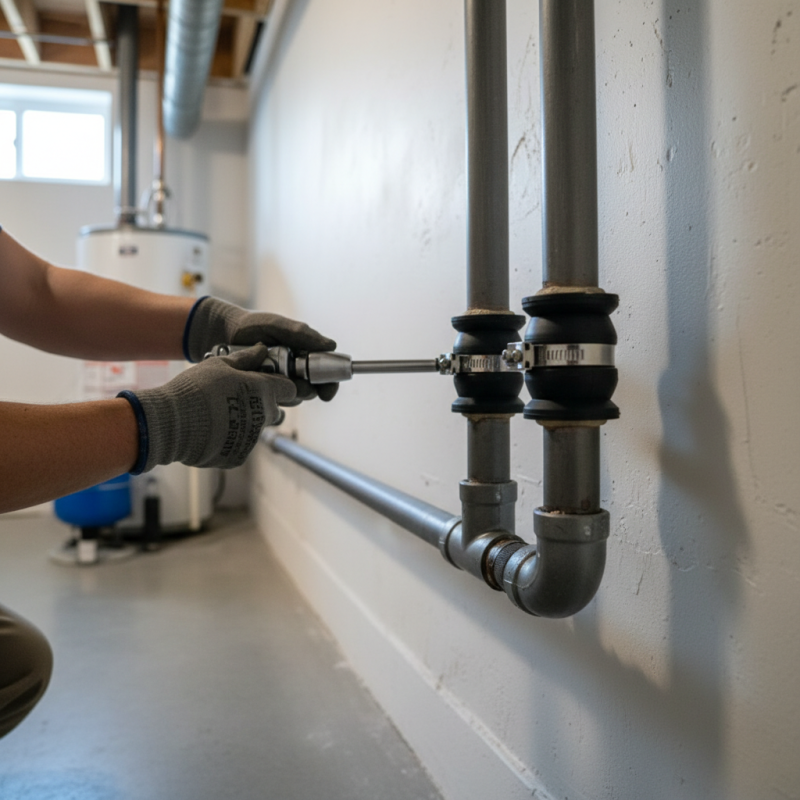
No hub plumbing systems offer a clean, efficient solution for modern homes. These systems use a simple design without extensive hub connections. This streamlining helps reduce potential leaks and maintenance needs. Homeowners can enjoy peace of mind knowing their plumbing is straightforward and reliable.
One clear benefit is the ease of installation. With fewer parts to connect, plumbers can complete jobs faster. This often leads to lower labor costs for homeowners. However, choosing a no hub system requires careful selection of materials. Not all options will deliver the same level of performance. Researching and consulting with knowledgeable professionals can help avoid mistakes.
Tip: Always inspect the materials used in no hub plumbing systems. Quality can vary significantly between suppliers. Another tip is to consider long-term maintenance costs. Sometimes, the initial saving might lead to higher expenses later. Prioritize systems that offer durability and ease of repair to ensure your investment lasts.
Comparative Analysis: No Hub vs. Traditional Plumbing Methods
No hub plumbing offers a modern alternative to traditional methods. It uses easy-to-install fittings. This can save time and money. Unlike conventional systems, there are fewer joints to leak over time. This increases reliability and reduces maintenance costs.
One potential downside is that not all plumbers are familiar with this method yet. Be cautious when choosing professionals for the job. Make sure they have experience with no hub plumbing. Verify their credentials and ask for references.
Tips: Always check for leaks after installation. Regular inspections can quickly catch issues. Consider the benefits of this system if you're renovating. No hub plumbing may streamline your project efficiently.
Cost Efficiency: How No Hub Plumbing Reduces Long-Term Maintenance
No hub plumbing can significantly cut costs over time. It’s a system designed to reduce leak risks and maintenance needs. Traditional plumbing often requires extensive repairs, which can be costly. With no hub plumbing, the flexible design minimizes connections and joints. Fewer joints mean fewer chances for leaks. This saves money in the long run.
Tip: Regular inspections can help catch small issues early. Look for signs of moisture around joints. Addressing these problems promptly can extend the system's life.
Another advantage is the ease of installation. This plumbing style is quicker to install than traditional systems. This leads to lower labor costs and faster project completion. Homeowners can enjoy minimal disruption in their daily lives.
Tip: Consider scheduling routine maintenance checks. A proactive approach helps you avoid alarming repair bills. Even small leaks can escalate into significant issues if left unchecked. Balancing cost efficiency with regular upkeep is essential.
Environmental Impact: The Sustainability of No Hub Plumbing Options
No Hub Plumbing is gaining popularity for various reasons. One significant aspect is its environmental impact. Unlike traditional plumbing systems, no hub options reduce the need for excessive materials. These systems use less energy during installation, which is better for the planet.
The sustainability of no hub plumbing is noteworthy. This type requires fewer resources to create, leading to less waste. Wastewater management also benefits from these systems. They enhance water flow, which can reduce water consumption over time. However, there are challenges. Some may underestimate the durability of these systems. Proper installation is crucial to ensure longevity and efficiency.
Considering these factors, it's clear that no hub plumbing offers a greener alternative. It encourages a more sustainable lifestyle. Still, more awareness is needed about the installation process and maintenance. Many homeowners overlook these aspects, which can lead to issues. A thoughtful approach is essential for making the most of this eco-friendly option.