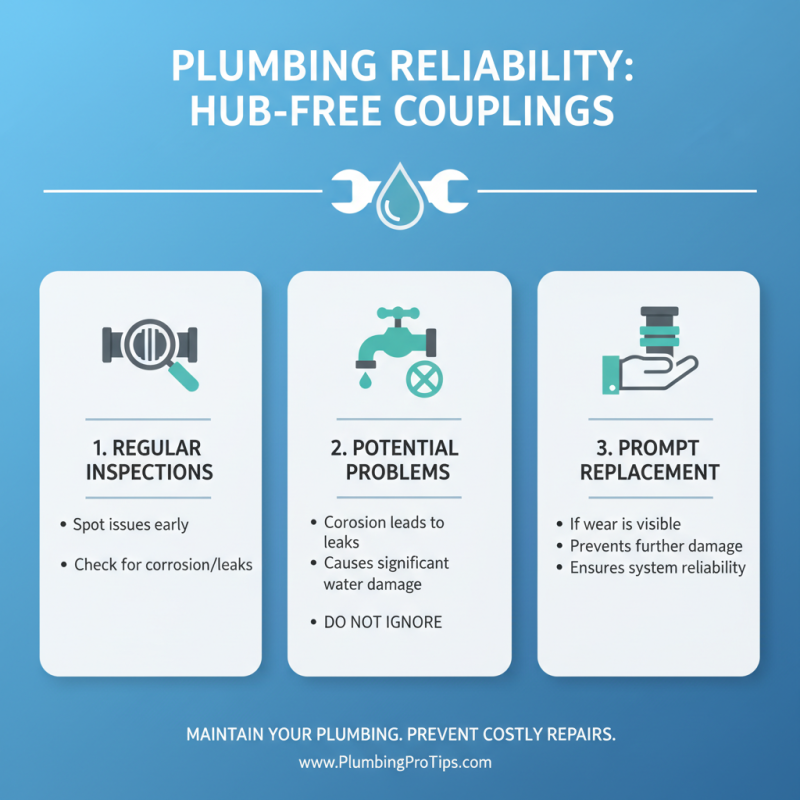
How to Use No Hub Coupling in Plumbing Systems?
In the plumbing industry, the use of No Hub Coupling has gained significant traction due to its efficiency and reliability. According to a 2022 report by the Plumbing Efficiency Research Coalition, over 70% of plumbing professionals prefer No Hub Couplings for pipe installations. This method minimizes the need for complex fittings and reduces installation time.
No Hub Coupling is known for its simple design, which promotes easy assembly without sacrificing performance. It allows for flexibility in installations and accommodates movement. A recent survey revealed that nearly 60% of contractors acknowledged improved workflow by using these couplings. However, it is essential for professionals to ensure the right application.
Despite its advantages, some challenges persist. Not all systems may benefit equally from No Hub Couplings. Proper material selection and installation techniques are crucial. A careful approach can mitigate potential issues like leaks or pressure loss. Exploring these nuances helps enhance overall plumbing system performance.
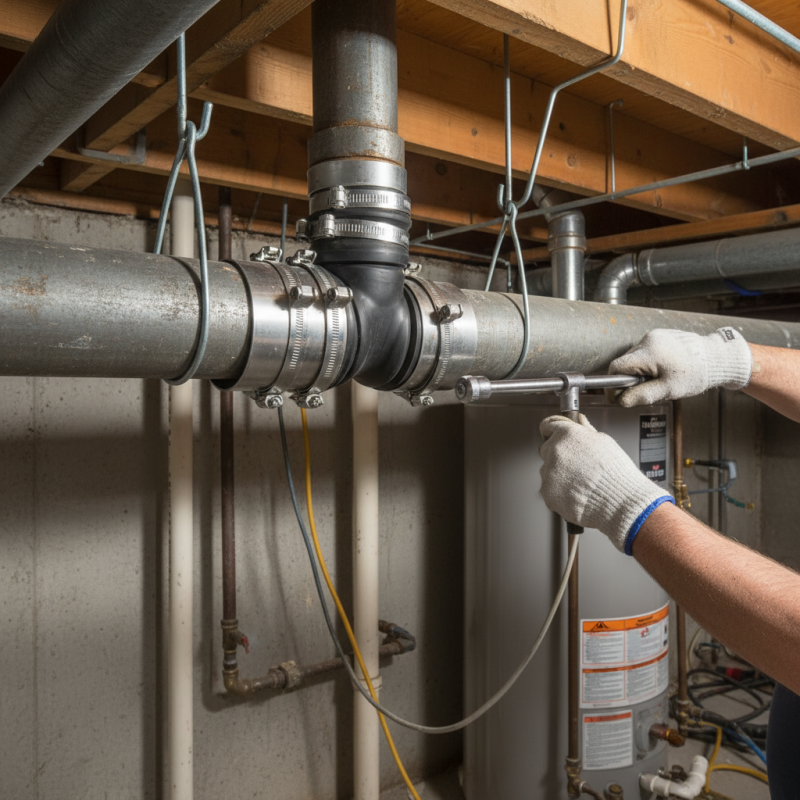
Understanding No Hub Coupling and Its Importance in Plumbing
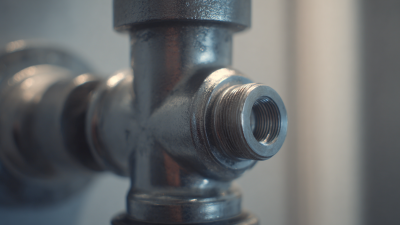
No hub coupling is a vital component in modern plumbing systems. It provides a reliable connection between various lengths of pipe, particularly those made from cast iron. This type of coupling offers flexibility during installation. It allows for easier adjustments and alignment of plumbing systems. Its design minimizes the risk of leaks, which is critical for maintaining both efficiency and safety.
Understanding no hub coupling is essential for both professionals and DIY enthusiasts. It is designed with rubber gaskets that create a tight seal. This prevents water and gas from escaping. The absence of a hub reduces the weight of the installation. However, improper installation can lead to issues like disconnections or leaks. It's crucial to ensure pipes are clean and dry before connecting them.
Despite its advantages, some people overlook its potential limitations. For example, no hub couplings may not be suitable for all pipe sizes. Also, the durability of the rubber gasket can vary. Regular inspection is needed to ensure the system works effectively. By understanding these details, you can enhance the longevity and reliability of plumbing systems.
Materials and Tools Needed for Installing No Hub Couplings
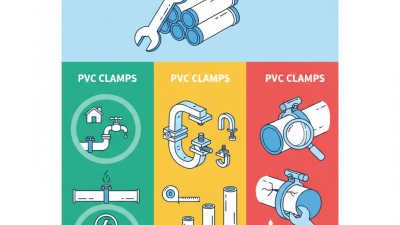
Installing no hub couplings in plumbing systems can simplify connections significantly. To achieve quality installations, you will need specific materials and tools. The essentials include no hub couplings made of cast iron or PVC. These materials are durable and resist fraying. Also, you need stainless steel clamps for secure joins. It’s critical to use the right size for a snug fit.
A pipe cutter is vital for making precise cuts. If you don't have one, a hacksaw can suffice, though its effectiveness varies. A rubber mallet will help tap the couplings into place without damaging them. Always wear safety goggles when cutting pipes. Also, consider having a level handy to ensure pipes align correctly.
Industry reports indicate that improper installations lead to leakage in over 40% of plumbing failures. Many professionals overlook the importance of quality seals. A bad seal can result in costly repairs. In fact, studies show that fixing leaks can consume 20% of a plumber's time. This emphasizes the need for proper tools and careful installation practices. Taking time to do it right can save significant trouble later.
How to Use No Hub Coupling in Plumbing Systems? - Materials and Tools Needed for Installing No Hub Couplings
| Item |
Description |
Quantity |
Notes |
| No Hub Coupling |
Used to connect two pipes of similar diameters. |
5 |
Choose the right size for your pipes. |
| Pipe Wrench |
Tool for gripping and turning pipes. |
1 |
Ensure it's suitable for the pipe diameter. |
| Hacksaw |
Used for cutting metal or plastic pipes. |
1 |
Use a high-quality blade for cleaner cuts. |
| Pipe Deburring Tool |
Removes sharp edges from cut pipes. |
1 |
Essential for safe installation. |
| Measuring Tape |
For measuring pipe lengths and fitting dimensions. |
1 |
Accuracy is key for proper installation. |
| Safety Goggles |
Protective eyewear while working. |
1 |
Always wear during installation. |
Step-by-Step Guide to Installing No Hub Couplings in Plumbing Systems
Installing no hub couplings can be straightforward. This guide will help you navigate the steps.
Start by gathering materials. You'll need no hub couplings, a pipe cutter, and a wrench. Ensure your workspace is clean. Safety gear is also essential. Wear gloves and goggles during installation.
Next, measure the pipe length. Cut it precisely. A clean cut is vital. If the end is ragged, it may leak. Push the no hub coupling onto the pipe ends. It should fit snugly.
Tips: Always check for any old debris on the pipe. This can cause issues. Lay out all tools before starting. It can save you time. If the coupling isn't fitting, don't force it. Re-measure the pipes instead.
Finally, secure the coupling using your wrench. Tighten it carefully. Avoid over-tightening, as this might crack the coupling. If you feel resistance, stop. Check your work visually.
Take a moment to assess. Ensure everything looks right. Small mistakes can lead to bigger problems later.
Usage of No Hub Couplings in Plumbing Systems
This bar chart represents the frequency of usage for no hub couplings in various plumbing system applications. The most common usage is observed in residential systems, followed by commercial systems and repair works.
Common Mistakes to Avoid When Using No Hub Couplings
Using no hub couplings in plumbing systems is efficient, but common mistakes can lead to problems. One major error is not aligning the pipes correctly. Misalignment can cause leaks or pressure imbalances. According to a study by the American Society of Plumbing Engineers, incorrect installation can lead to costly repairs.
Another common mistake is failing to check the gasket condition. Old or damaged gaskets can compromise the seal, resulting in leaks. A report by the National Institute of Standards and Technology found that 30% of plumbing failures were due to inadequate sealing. Regular inspections can help you avoid this issue.
**Tip:** Always inspect gaskets before installation. Replace them if you see wear or damage.
Additionally, not using the correct torque on clamping bands is a pitfall. Over-tightening can damage the pipe, while under-tightening may lead to leakage. A survey showed that precise torque settings reduce failure rates by 50%.
**Tip:** Use a torque wrench to ensure proper tightening.
Being aware of these mistakes can save time and money. Attention to detail during installation is crucial. The quality of your plumbing system relies on it.