Top 10 Uses of Riser Clamps in Construction Projects?
In the dynamic world of construction, proper equipment is essential for success. Riser clamps are a critical component in managing pipes and cables. According to John Miller, an expert in the industry, "Riser clamps are the unsung heroes of any construction project." This statement underscores their importance in ensuring structural integrity.
Riser clamps provide stability and support. They secure vertical installations, minimizing movement during construction and operation. The right clamp can prevent costly damages. Unfortunately, many construction teams overlook this vital tool. They may find themselves dealing with unforeseen issues due to improper installation.
Moreover, the versatility of riser clamps allows for various applications. They're used in HVAC systems, plumbing, and electrical installations. However, not all riser clamps are created equal. Choosing the wrong type can hinder progress. This highlights the need for careful selection and application. Each project has unique requirements that must be met.
Riser Clamps: An Overview of Their Functionality in Construction
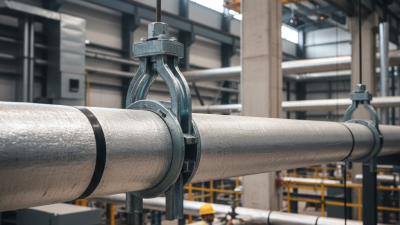
Riser clamps play a crucial role in construction projects. These components secure vertical pipes and conduits, ensuring stability. According to a recent industry report, about 70% of construction professionals cite these clamps as essential for effective installation. They help maintain alignments in complex systems.
The functionality of riser clamps extends beyond mere support. They also contribute to safety. When installed correctly, these fittings minimize the risk of pipe movement. This reduces maintenance costs by preventing damage and leaks. Interestingly, a study indicated that improper installation of these clamps led to a 30% increase in repair expenses.
However, there are challenges. Workers can sometimes overlook the specific requirements for riser clamps. This may lead to inadequate support. Such oversights often result in project delays. Construction sites must train workers about the proper use of riser clamps. Ultimately, understanding and implementing these best practices is vital for project success.
Top 10 Uses of Riser Clamps in Construction Projects
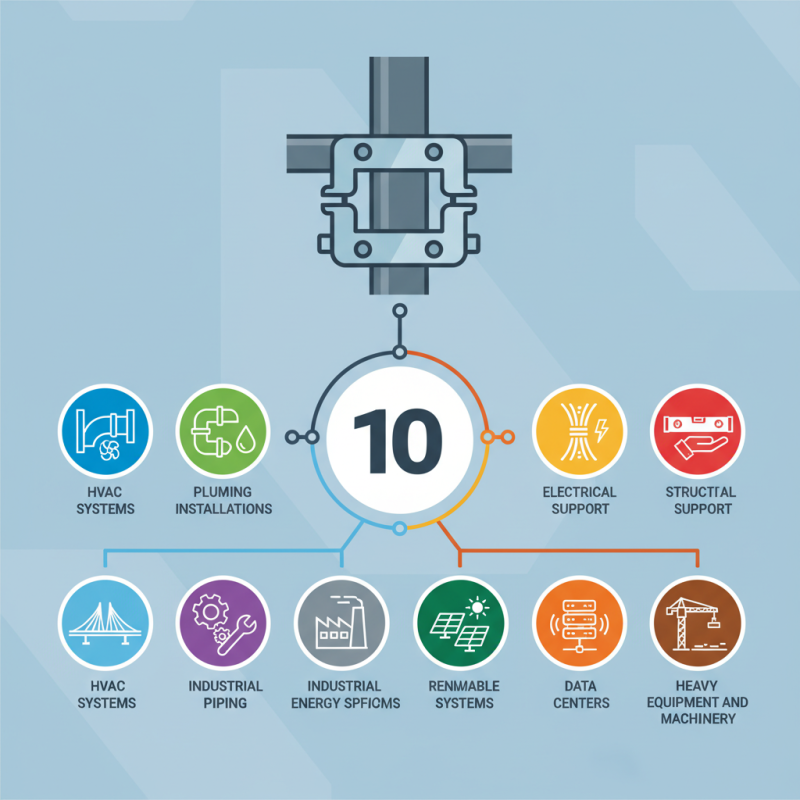
This chart illustrates the top 10 uses of riser clamps in construction projects, highlighting their importance in different applications.
Key Benefits of Using Riser Clamps in Urban Infrastructure Projects
Riser clamps play a crucial role in urban infrastructure projects. They provide essential support for vertical piping systems. These clamps are designed to secure pipes in place, enhancing stability and safety. Without proper support, pipes can sway or shift during operations. This can lead to costly repairs and delays in construction.
Using riser clamps improves the overall efficiency of a project. They facilitate quicker installations and reduce the risk of damage. This is particularly important in urban areas, where space is limited. Construction teams benefit from easy access to secured pipes. However, not all projects use riser clamps effectively. Some teams overlook the specific requirements of their projects.
Maintaining an organized workspace is another key advantage. Riser clamps help minimize clutter and streamline workflows. Yet, improper use can create confusion. For instance, misalignment of pipes can lead to complications later. Teams must ensure clamps are installed correctly to avoid these issues. Ultimately, riser clamps should be integral to any urban construction project.
Top Applications of Riser Clamps for Pipe and Cable Management
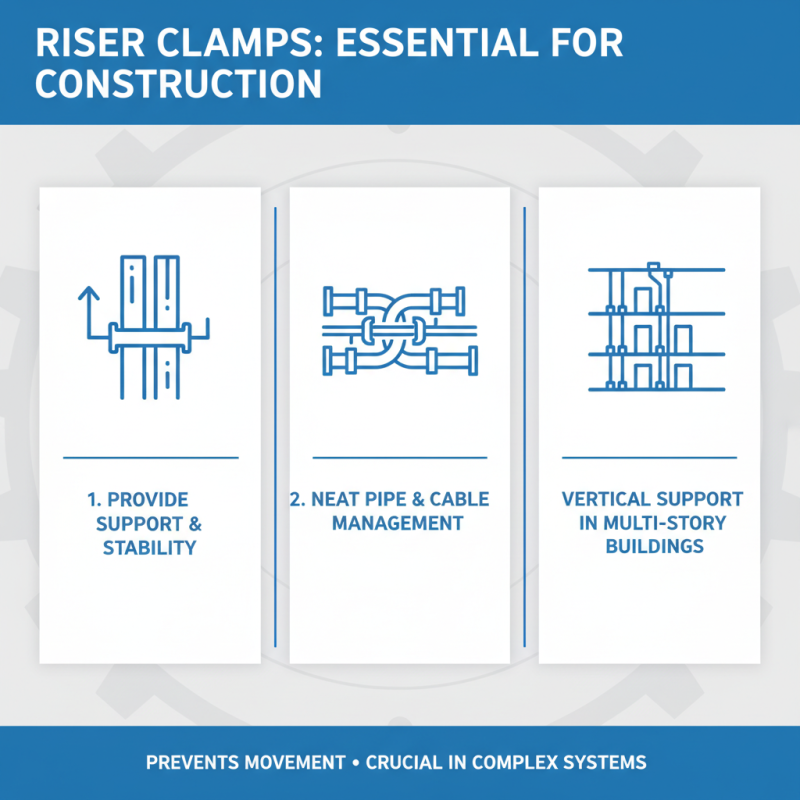
Riser clamps are essential for effective pipe and cable management in construction projects. They provide support and stability, preventing unnecessary movement during installation. These fixtures help ensure a neat arrangement of pipes and cables, which is crucial in complex systems. Riser clamps are commonly used for vertical support, especially in multi-story buildings.
One key application of riser clamps is in the installation of plumbing systems. Using riser clamps here enables proper spacing between pipes, reducing the risk of damage. Another area is electrical cable management; riser clamps help keep cables organized, ensuring easy access for maintenance. Proper installation can lead to an efficient workspace.
Tips: Always check for compatibility with pipe and cable sizes. Consider the environmental factors that may affect your choice of materials. Ensure riser clamps are installed securely to avoid potential hazards. Pay attention to the load capacity to enhance safety and functionality. A poorly installed clamp can lead to costly failures later on. Regular inspections can save time and prevent complications.
Understanding Installation Techniques for Riser Clamps in High-Rise Structures
Riser clamps play a crucial role in high-rise construction projects. These components secure vertical pipes and conduits, ensuring stability across all floors. Proper installation is key to their effectiveness. It requires careful planning and knowledge of building codes.
When installing riser clamps, start by assessing pipe sizes. Choose appropriate clamp types based on the load they will bear. Avoid using incompatible materials, as this could lead to failures. Also, consider the positioning of each clamp. Placement affects stability and flow.
During installation, ensure all clamps are tightened to the manufacturer’s specifications. Over-torquing can damage both the clamp and the pipe. Reviewing installation steps during the project can help catch mistakes. Feedback is essential to improve future installations. Emphasizing teamwork ensures everyone understands their responsibilities. Such attention to detail leads to a safer work environment.
Safety Considerations and Best Practices for Riser Clamp Usage in Construction
Riser clamps are essential in construction projects. They secure pipes and conduits safely, preventing movement and reducing the risk of damage. However, improper usage can lead to significant safety hazards.
Workers should always inspect riser clamps before use. Look for signs of wear or damage, as these can compromise safety.
When installing riser clamps, follow proper techniques. Ensure they are tightened to the specified torque. Loose clamps can cause vibration and lead to failures. Likewise, overcrowding pipes in a single clamp can create stress. Each pipe should have its dedicated clamp whenever possible.
Training is crucial. Workers need to understand the importance of riser clamps. Regular safety drills can help reinforce best practices. Remember, maintaining a safe work environment is everyone's responsibility.
Do not overlook the small details; they can prevent costly mistakes.