What are the Different Types of Pipe Hangers and Their Uses?
In the world of construction and plumbing, the role of a pipe hanger is crucial. According to industry expert John Smith, "Choosing the right pipe hanger ensures safety and efficiency." Pipe hangers are vital components used to support and secure pipes in place. They come in various types, each designed for specific applications.
Different materials and designs serve different functions. For example, some are made of steel, while others use plastic or copper. Each type has its advantages and limitations. This makes the selection process sometimes confusing. A wrong choice can lead to failures or costly repairs.
Moreover, not all projects receive the attention they deserve when it comes to pipe support. Sometimes, it's easy to overlook the importance of these hangers. Understanding their types and uses can greatly enhance pipeline longevity. Thus, investing time in learning about pipe hangers is essential for professionals in the field.
Types of Pipe Hangers: An Overview of Options Available
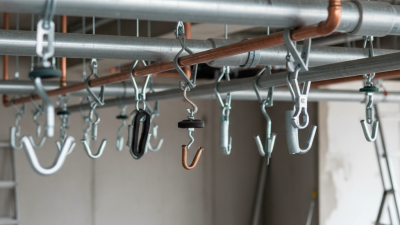
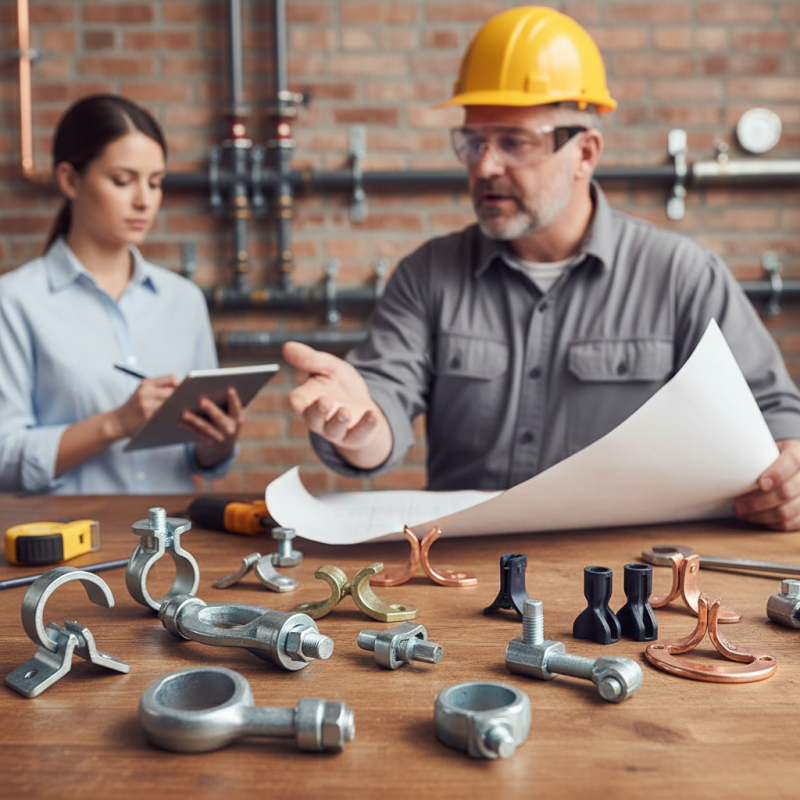
When it comes to pipe hangers, the options available are varied and specific. Each type serves unique needs in installation and maintenance. Common types include clevis hangers, which support pipes with a flexible design, allowing for thermal expansion. According to industry reports, about 30% of plumbing systems utilize clevis hangers due to their adaptability.
Another prevalent type is the split-ring hanger. This design secures the pipe tightly while accommodating vibrations. Industry data indicates that these hangers are preferred in industrial applications where machinery generates significant movement. They hold the pipe firmly and minimize wear and tear.
Problems can arise if incorrect hangers are used. Over time, improperly chosen hangers may lead to pipe damage or inefficient system performance. It's crucial to choose the right type based on pipe size and application. Failure to do so can be costly. A reliable report highlighted that nearly 25% of plumbing failures are linked to inadequate support systems.
Purpose of Pipe Hangers in Mechanical and Plumbing Systems
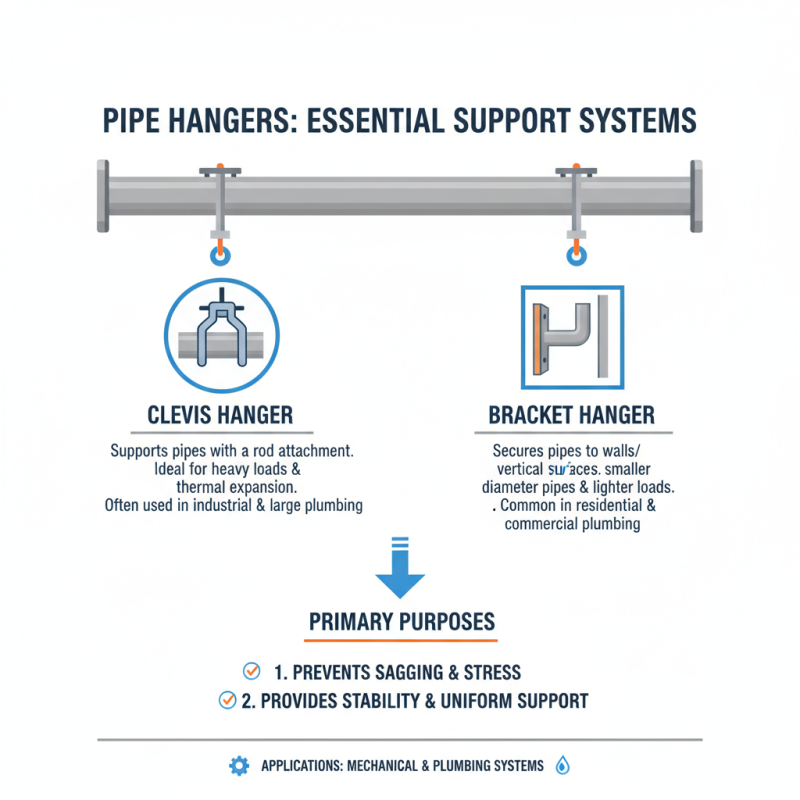
Pipe hangers are essential components in both mechanical and plumbing systems. They serve various purposes, primarily providing support and stability for pipes. This support is crucial to prevent sagging and minimize stress on joints. Different types of hangers, like clevis and bracket hangers, fit various applications. Each type has unique advantages and limitations.
In mechanical systems, pipe hangers help maintain proper alignment. They ensure that pipes are securely fastened to walls or ceilings. This reduces the risk of leaks or pipe failure. For plumbing systems, hangers also play a key role in managing water flow. Properly installed hangers can enhance the lifespan of the system, but installation mistakes can lead to issues. Oversized hangers may create noise, while undersized ones might not provide enough support. It’s essential to choose the right type based on the pipe size and application.
While pipe hangers are straightforward, improper evaluation can lead to complications. Each system requirement is unique. A one-size-fits-all approach often fails. Observing the specific needs of a piping system is vital. Regular checks and maintenance are necessary. Sometimes, even the best-installed hangers can present challenges, requiring adjustments over time. Understanding these nuances can make all the difference in a project’s success.
Materials Commonly Used for Pipe Hangers and Their Durability
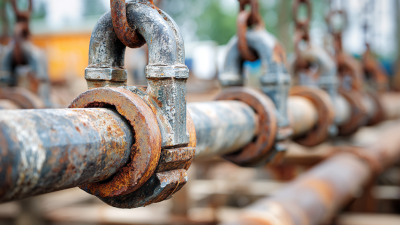
When selecting materials for pipe hangers, durability is a key factor. Metals like carbon steel are common choices. They offer great strength and support for heavy pipes. However, they may rust when exposed to moisture without proper coatings. This aspect should not be overlooked, especially in humid environments.
Stainless steel is another popular option. It resists corrosion effectively, making it ideal for both indoor and outdoor settings. Yet, it can be more costly. Many projects might overlook budget constraints when considering material costs. Plastics, though less common, are lightweight and resistant to harsh chemicals. They can be useful in specific applications, but they may lack the strength required for heavy-duty installations.
Understanding these differences is crucial. For example, the wrong material can lead to failures. Such failures can result in costly repairs or even safety hazards. It's essential to consider the environment and pipe type when choosing a hanger material. Remember, each project is unique and requires thoughtful assessment of material properties.
Installation Methods and Best Practices for Pipe Hangers
Pipe hangers play a crucial role in supporting plumbing systems. Proper installation methods are essential for their effectiveness and longevity. When hanging pipes, choose the right type of hanger based on the pipe material and size. For example, saddles suit larger pipes, while clamps are ideal for smaller ones. Ensure that you space the hangers correctly to prevent sagging. Inadequate spacing can lead to stress on the pipes and potential leaks.
When installing, always use proper tools. This can significantly affect the installation quality. Secure the hanger firmly to the mounting surface. A loose installation can lead to vibrations and misalignment. Double-check the position before finalizing. Small mistakes can lead to big problems later. Also, consider the environment. For instance, in areas with extreme temperatures, choose hangers that allow for expansion and contraction. This detail is often overlooked, but it's crucial for maintaining pipe integrity.
Applications of Pipe Hangers in Residential and Industrial Settings
Pipe hangers play a crucial role in both residential and industrial environments. They provide essential support for various types of piping systems. Residential applications often involve plumbing, HVAC systems, and drainage. In these settings, proper installation is key to avoid leaks and maintain system efficiency. According to a recent industry report, about 68% of plumbing failures result from insufficient support. This highlights the need for reliable pipe hangers.
In industrial settings, the stakes are higher. Here, pipe hangers support larger, heavier pipes carrying chemicals, steam, or gases. Failures can lead to hazardous spills or significant downtime. A study by the International Pipe Hanger Association noted that 45% of industrial accidents could be traced back to inadequate support systems. In many cases, using adjustable hangers can provide solutions to accommodate thermal expansion and vibration.
However, choosing the right type of hanger can be challenging. Factors such as load weight, pipe material, and environmental conditions must be considered. Many professionals overlook these critical elements, leading to potential issues down the line. Awareness of different hanger types is essential for proper installation. Investing in the right hangers ultimately improves safety and system longevity.