Top 5 Tips for Choosing the Right Duct Band Clamp?
Choosing the right Duct Band Clamp can significantly impact your HVAC system’s efficiency. With so many options available, it’s essential to make informed decisions. A poorly chosen clamp can lead to air leaks and increased energy costs.
Many factors influence the effectiveness of a Duct Band Clamp. Consider material, size, and application. Selecting the wrong type may cause frustration during installation. It’s crucial to prioritize quality and compatibility.
Expert insights suggest focusing on durability and ease of use. Appliances may vary, so understanding specifications is vital. A reliable clamp ensures proper air flow, which ultimately enhances system performance. Reflecting on these aspects helps prevent potential issues down the line.
What are Duct Band Clamps and Their Importance in HVAC Systems?
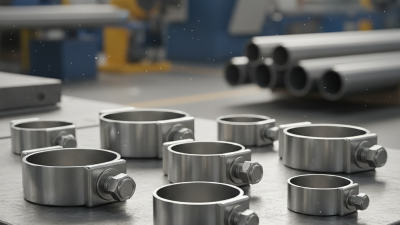
Duct band clamps are crucial components in HVAC systems. They secure ductwork, ensuring efficient airflow and preventing leaks. An effective clamp maintains system pressure and enhances energy efficiency. Poorly installed or low-quality clamps can lead to issues. Leaks might result in higher energy costs and reduced performance.
Choosing the right duct band clamp is essential. Not all clamps are made equal. Clamps should fit snugly around the ducts. Consider materials used in construction. Durable materials resist rust and wear, prolonging life. Availability of sizes also matters. A proper fit helps prevent airflow problems.
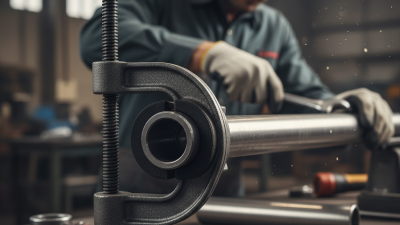
Installation can be tricky. Even skilled technicians sometimes overlook clamp quality. Regular inspections are vital. Checking for wear and tear ensures optimal performance. Learning from past errors can improve future installations. This step often saves money and boosts efficiency in the long run.
Key Factors to Consider When Selecting Duct Band Clamps for Performance
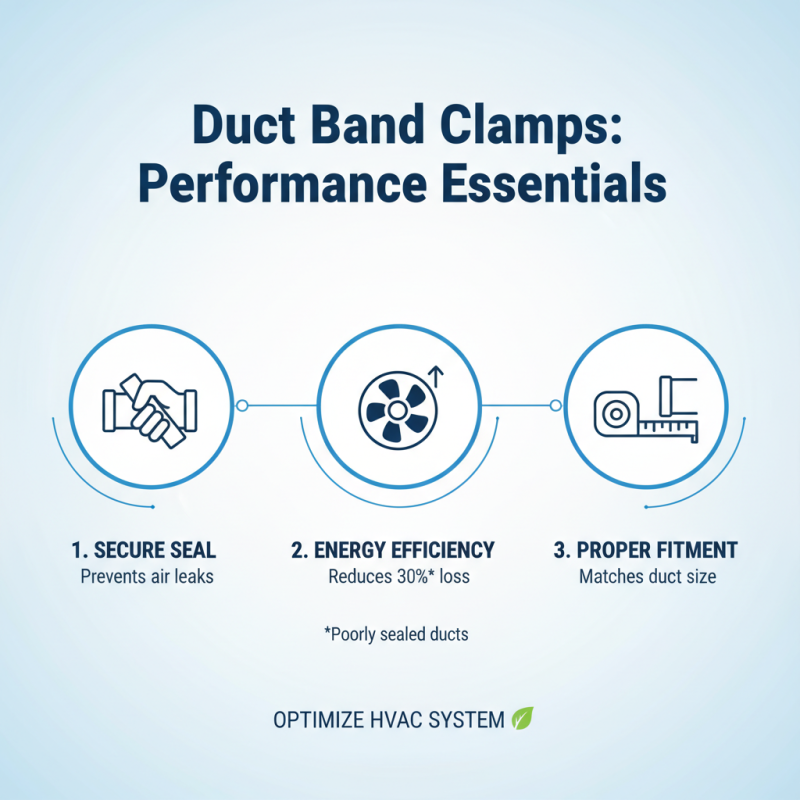
When selecting duct band clamps, understanding performance is crucial. The right clamp ensures a tight seal, reducing energy loss in HVAC systems. Research shows that poorly sealed ducts can lead to efficiency losses of up to 30%. This highlights the importance of choosing high-quality clamps that fit your ducts properly.
Material selection is another key factor. Stainless steel is often favored for its corrosion resistance and durability. A recent industry report indicates that clamps made from stainless steel last 2-3 times longer than those made from other materials. However, one must consider the environment. In humid or chemically corrosive settings, even stainless steel can fail without proper care.
Compatibility with duct size and type is essential. Clamps must fit snugly to avoid leaks. An inappropriate fit can cause air pressure drops, impacting system performance. It's worth noting that clamps should be regularly inspected. Wear and tear can occur, leading to performance issues. Regular maintenance prevents costly repairs and enhances longevity. Remember, asking for professional insight can guide your choices effectively.
Material Types of Duct Band Clamps and Their Effects on Durability
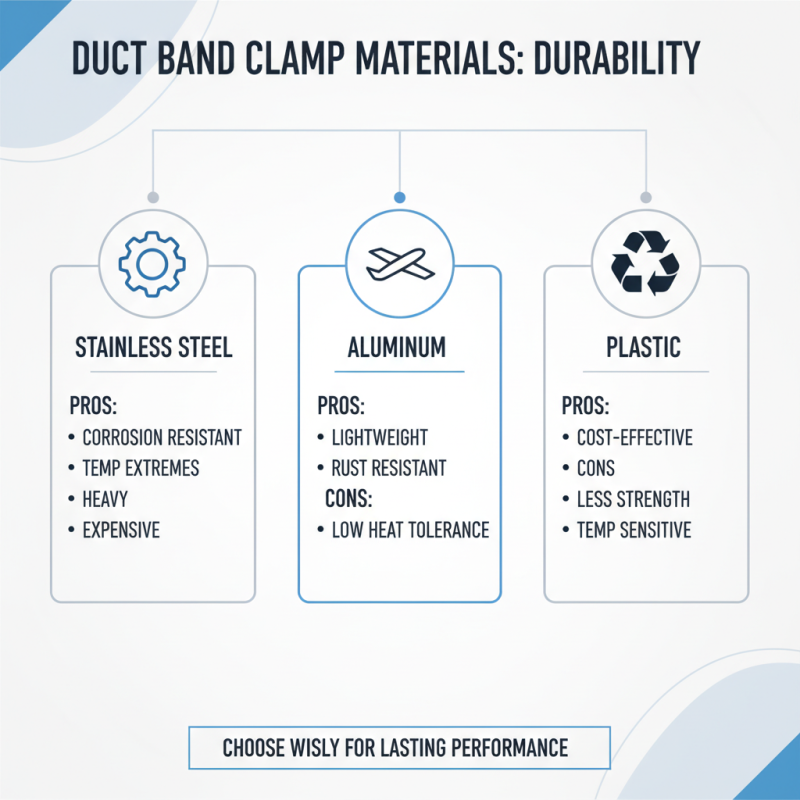
When choosing duct band clamps, understanding material types can significantly impact their durability. Common materials include stainless steel, aluminum, and plastic. Stainless steel offers the best resistance to corrosion and temperature extremes. However, it can be heavy and more expensive. Aluminum is lightweight and resistant to rust, but may not withstand high heat. Plastic clamps are cost-effective but often lack the strength of metal options.
Select a clamp based on your application environment. If facing high moisture or heat, stainless steel is ideal. For lighter applications, aluminum may suffice. Consider the length of time the clamp will be exposed to potentially damaging elements. Durability is essential, but not all materials will fit every need.
Keep these tips in mind. Assess how secure the attachment needs to be. Test the clamp's tension before committing to long-term use. If unsure, consult a professional for advice. Overall, understanding material characteristics helps in making a reliable choice.
Sizing Guidelines for Duct Band Clamps to Ensure Proper Fit and Seal
When selecting a duct band clamp, proper sizing is crucial for optimal performance. An ill-fitting clamp can lead to air leaks, energy losses, and potential damage to your duct system. Start by measuring the diameter of the duct. Use a reliable tape measure for accuracy. This should be done at both ends of the duct to ensure consistency. A clamp should snugly fit around the duct without excessive force.
Once you have your measurements, consider the material thickness of the duct. Thicker materials might require clamps with different tensile strengths. Additionally, think about the environment where the clamp will be used. High humidity or temperature extremes can affect material choices. Different materials, like stainless steel or galvanized steel, offer varying levels of durability and corrosion resistance.
Watch out for potential sizing pitfalls. Sometimes, measuring techniques can miss slight variances in duct sizes. It’s essential to double-check before purchasing. Clamps can differ in design and functionality; ensure you are picking one that meets your needs. An improper fit can compromise the seal, leading to inefficiencies. Always consult detailed sizing guides provided by experts in the industry to make informed decisions.
Industry Standards and Certifications for Quality Duct Band Clamps
When selecting duct band clamps, adherence to industry standards is crucial for ensuring quality and performance. The most recognized standard is the ISO 9001 certification, which emphasizes a robust quality management system. According to a report by the International Organization for Standardization, almost 1 million organizations worldwide are ISO certified. This certification verifies that manufacturers meet critical quality and safety requirements, greatly influencing the long-term reliability of duct band clamps.
Another important standard is ASTM F1476. It specifically tests the performance of duct clamps under varying environmental conditions. Clamps meeting this standard demonstrate resistance to corrosion, pressure, and temperature variations. Research published in the Journal of Mechanical Engineering indicates that 80% of duct failures are linked to poor clamp quality. Hence, choosing clamps that comply with ASTM F1476 can significantly mitigate these risks.
A reliable clamp should also meet the UL 94 flame-retardant standard. Understanding these certifications provides insight into durability. Equipment used in HVAC systems must comply with local safety codes. Ignoring these aspects can lead to subpar installations and costly repairs. While some clamps may appear sturdy, underlying compliance issues can undermine their effectiveness. Always verify certifications before making a purchase.
Top 5 Tips for Choosing the Right Duct Band Clamp
| Tip |
Description |
Industry Standards |
Certifications |
| 1. Material Selection |
Choose corrosion-resistant materials for longevity. |
ASTM A240 |
ISO 9001 |
| 2. Size Compatibility |
Ensure the clamp fits securely on duct sizes. |
SMACNA |
UL Listed |
| 3. Pressure Rating |
Consider the pressure requirements for your application. |
ASHRAE Standards |
CE Marking |
| 4. Installation Ease |
Choose clamps that offer easy installation and adjustments. |
NFPA |
RoHS Compliance |
| 5. Reliability and Durability |
Select clamps with a proven track record and warranties. |
ISO 5949 |
GS Mark |