Top 10 Pipe Hanger Clips for Global Buyers in 2026?
In the evolving world of construction and infrastructure, pipe hanger clips play a crucial role. These clips help secure pipes in place, ensuring stability and safety in various applications. As we approach 2026, the demand for high-quality pipe hanger clips will likely increase, driven by advancements in technology and construction methods.
Choosing the right pipe hanger clips can be challenging. There are numerous options available, each with unique features and specifications. Buyers must consider material durability, load capacity, and weather resistance when selecting clips. This decision directly impacts the efficiency and longevity of piping systems.
It’s essential to analyze and compare different products in the market. Some buyers may prioritize cost over quality, which can lead to future issues. Investing in reliable pipe hanger clips is an often-overlooked step in project planning. This guide will explore the top ten options for global buyers in 2026, providing insight into what makes each product stand out.
Overview of Pipe Hanger Clips and Their Importance in Construction
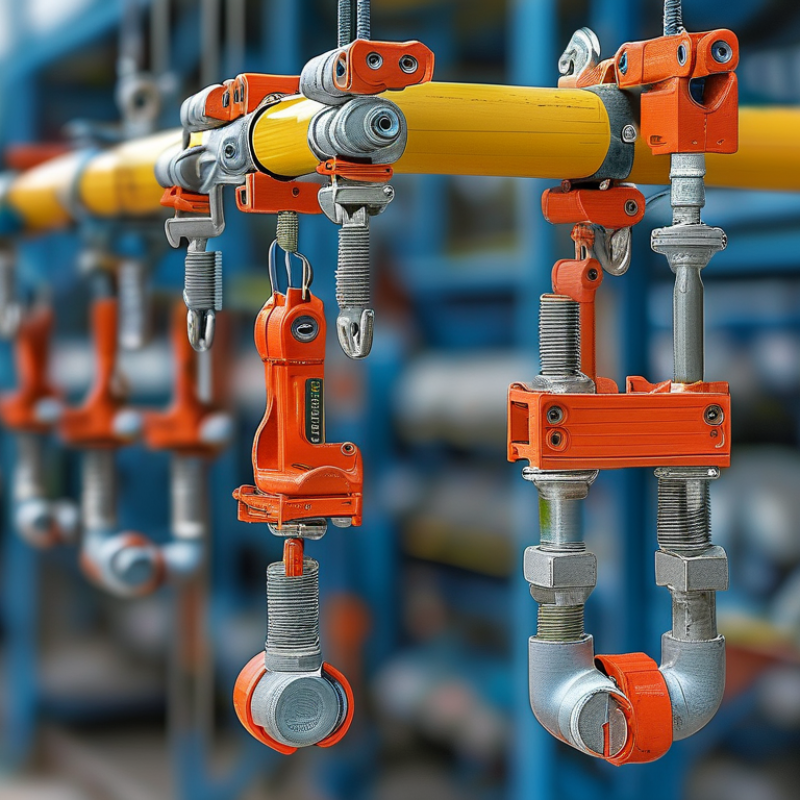
Pipe hanger clips play a crucial role in construction projects. They help secure pipes and prevent movement during use. Proper installation of these clips ensures both safety and efficiency in plumbing systems. Without them, pipes could shift, leading to leaks and costly repairs. Reliable clips are vital for the structural integrity of buildings, making them an important focus for construction professionals.
Different types of pipe hanger clips exist for various applications. Some clips are designed for rigid pipes, while others cater to flexible plumbing systems. The right choice depends on the specific needs of a project. Not all clips offer the same level of durability or ease of installation. This can lead to mistakes that impact project timelines. Builders must be diligent when selecting and installing them to avoid future complications.
In the fast-paced construction environment, decisions sometimes lack thorough analysis. This can result in overlooking the importance of quality clips. Regular assessments and updates on new products are crucial. Staying informed allows builders to choose the best solutions. Pipe hanger clips are small components that have a significant impact on overall construction success. Their importance cannot be underestimated.
Key Features to Consider When Selecting Pipe Hanger Clips
When selecting pipe hanger clips, understanding key features is crucial. The right clip can improve efficiency and safety in installations. According to a market analysis report, 65% of installation failures are linked to inadequate pipe supports. This statistic highlights the importance of choosing durable and reliable clips.
Material choice is essential. Steel and plastic are popular for their unique properties. Steel clips offer strength and load-bearing capacity, making them ideal for heavy-duty applications. In contrast, plastic clips are lighter and corrosion-resistant, suitable for less demanding environments. A surprising fact: the wrong material choice accounts for 30% of pipe failure incidents.
Compatibility and adjustability are also vital. Ensure the selected clips fit various pipe sizes. This adaptability can save costs on multiple purchases. Products that don’t fit well might lead to costly downtime. Furthermore, look for clips with easy installation features. Complexity can deter proper application and lead to improper support. Balancing ease of use with strength creates a reliable solution for many buyers.
Top 10 Recommended Pipe Hanger Clips for Global Buyers
When selecting pipe hanger clips, ensuring quality and function is vital. The right clips support your piping systems effectively. Top-rated clips provide sturdy support and flexibility for various applications. Many buyers prioritize ease of installation. Clips designed with intuitive features save time and reduce frustration during setup.
Consider material selection when choosing pipe hanger clips. Different environments require different materials. For example, galvanized steel is durable in outdoor settings. In contrast, plastic clips can work well for indoor applications. It's essential to assess the conditions where the clips will be used. Corrosion resistance is crucial for longevity. Clips made from high-quality materials often outperform cheaper alternatives.
Feedback from experienced installers reveals common challenges. Some clips may not fit all standard pipe sizes. Installation difficulty can vary, leading to potential errors. Choosing a clip with adjustable features can mitigate this issue. Ultimately, understanding your specific needs helps in selecting the best options. Careful research and thoughtful choices lead to better performance in pipe support systems.
Comparative Analysis of Price and Quality Among Featured Clips
Pipe hanger clips are crucial for efficient piping systems. Their diverse applications span construction, HVAC, and plumbing. A comparative analysis highlights significant disparities in price and quality among various options. For instance, a recent market report from MarketsandMarkets indicates that high-quality clips often range from $0.50 to $3.00 each, depending on materials and design.
Quality often corresponds with longevity and performance. Clips made of stainless steel generally provide enhanced durability compared to plastic variants. However, they carry a higher upfront cost. According to a survey conducted by IBISWorld, 62% of professionals prefer premium clips for heavy-duty installations, citing fewer replacements over time. Yet, budget constraints influence choices, leading some to opt for cheaper alternatives without fully understanding the potential long-term costs associated with lower durability.
In examining the landscape of pipe hanger clips, key trends emerge. The demand for lightweight yet durable materials is increasing. This shift might reflect a larger trend towards sustainable solutions. Some less-regarded clips lack adequate testing for long-term use. Industry experts suggest that all buyers should weigh quality against cost carefully. Familiarity with these considerations can lead to more informed purchasing decisions in 2026 and beyond.
Future Trends in Pipe Hanger Clip Technologies for 2026
In 2026, the pipe hanger clip industry is poised for significant advancements. Innovative materials and manufacturing processes are set to enhance durability and efficiency. Research indicates that over 35% of pipe system failures are attributed to inadequate support. Upgrading clip technologies can mitigate these risks, ensuring better performance.
The transition towards eco-friendly materials is notable. Sustainable options are gaining traction, meeting the growing demand for environmentally responsible practices. Industry forecasts predict a 20% increase in the adoption of recyclable compounds and composites. This shift not only benefits the ecosystem but also aligns with global regulatory trends.
Smart technology integration is another area of focus. Clips embedded with sensors can monitor structural integrity in real-time. Such innovations could lead to predictive maintenance, reducing downtime. Experts estimate that implementing these technologies may reduce maintenance costs by 15% annually. However, the industry faces challenges in standardization and data security that need addressing before widespread adoption.