Top 10 No Hub Coupling PVC Options for Global Buyers?
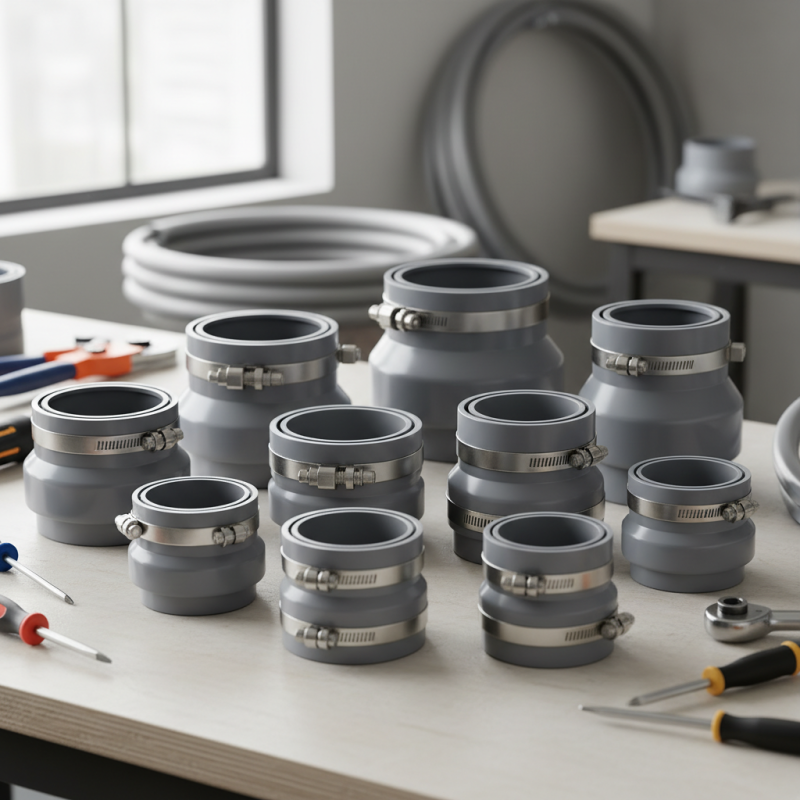
In today's plumbing industry, selecting the right materials is crucial. One popular choice is No Hub Coupling PVC. This type of coupling offers a reliable solution for connecting pipes without the need for hubs. Its design simplifies installation, making it a favorite among professionals.
The market is flooded with options. Buyers need to navigate this complexity to find the best products. Consider factors like durability, ease of use, and compatibility with existing systems. Each product has its strengths and weaknesses. Some options may not meet specific project requirements, which can lead to costly mistakes.
Quality and performance are paramount. Not all No Hub Coupling PVC products are created equal. Users must critically assess each option. Reliable sources of information can guide decisions. A well-informed choice can save time and resources.
Top No Hub Coupling PVC Options: Market Overview and Trends
The market for no hub coupling PVC options is growing. These fittings have gained popularity due to their reliability and ease of installation. Key applications include residential plumbing and repair projects. As global demand rises, manufacturers are focusing on enhancing product quality and compatibility.
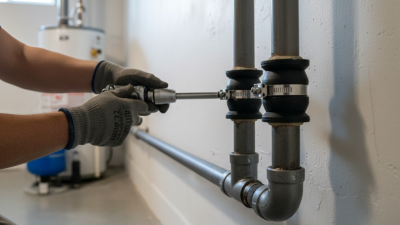
Proper installation is crucial. A common mistake is overlooking the alignment of pipes. This can lead to leaks and future repairs. Always ensure that surfaces are clean and dry before connecting the fittings. Use appropriate sealing methods to enhance the connection strength.
Inspect your options carefully. Different types of no hub couplings are available to meet diverse needs. Consider factors like pipe size, material compatibility, and pressure ratings. Stay updated with market trends. The landscape is evolving, and new materials or designs may emerge. Adaptability in selection is vital as technologies develop.
Top 10 No Hub Coupling PVC Options for Global Buyers
Analysis of Industry Standards for No Hub Coupling PVC Products
No hub coupling PVC products have become essential in plumbing systems worldwide. Understanding the industry standards for these products is critical. Manufacturers often adhere to ASTM and ISO guidelines. These standards ensure quality and safety.
Tips: Always check for certifications when purchasing. This ensures compliance with local regulations.
Different sizes and configurations exist for no hub couplings. Proper fitting is vital for leak prevention. A mismatch can lead to costly repairs. Make sure to measure accurately before making a purchase.
Tips: Buy a variety of fittings. This creates flexibility in installations and reduces delays.
While many products claim high durability, not all perform as promised. Be cautious. Reviews and industry feedback can shed light on performance reliability. Consult professionals for insights and recommendations. They often have firsthand experience.
Performance Comparison: Top 10 No Hub Coupling PVC Brands
When choosing no hub coupling PVC options, performance is paramount. Different brands exhibit unique strengths and weaknesses. Understanding these can greatly impact installation efficiency and long-term usage. Popular features include flexibility, durability, and ease of installation. Some products promise enhanced water flow, while others focus on reducing the risk of leaks. This diversity allows buyers to select based on their specific needs.
A comparative analysis reveals interesting insights. Some products perform exceptionally well under pressure, yet may falter in extreme temperature conditions. Others are remarkably easy to install but lack the longevity that rigorous applications demand. It's crucial to consider the environment before making a decision. Also, customer feedback highlights occasional discrepancies in product quality. Users have reported inconsistencies, suggesting the need for thorough inspections during procurement.
Moreover, the market has experienced shifts due to emerging technologies. Modern materials may offer improved characteristics. However, not every new option has proven reliable over time. Buyers should weigh innovations against traditional materials. What works best for one project might not fare well in another. Continuous evaluation of products helps in making informed choices, fostering better project outcomes.
Cost-Benefit Analysis of No Hub Coupling PVC Solutions for Buyers
No hub coupling PVC solutions are gaining traction among global buyers due to their affordability and reliability. A recent report showed that the market for no hub coupling PVC is expected to grow by 5.2% annually. This growth reflects the increasing demand for efficient plumbing solutions in both residential and commercial sectors. Many buyers prefer no hub options because they require less maintenance and installation time, which ultimately reduces overall costs.
Cost analysis reveals that traditional coupling methods can lead to significant expenditures. A study indicated that installation and maintenance costs of traditional PVC can be up to 30% higher over a decade compared to no hub PVC options. Buyers should weigh these figures against the initial purchase price. While no hub couplings may have a higher upfront cost, their longevity and ease of installation can yield savings over time.
However, not all no hub PVC options meet high-quality standards. Some products may have inadequate certifications, leading to performance issues. Buyers must conduct thorough research to ensure their selected solution aligns with industry standards. A failure to do so can result in costly repairs and disruptions. Investing time in evaluating options is essential for making informed decisions in this evolving market.
Global Market Insights: Demand and Supply for No Hub Coupling PVC
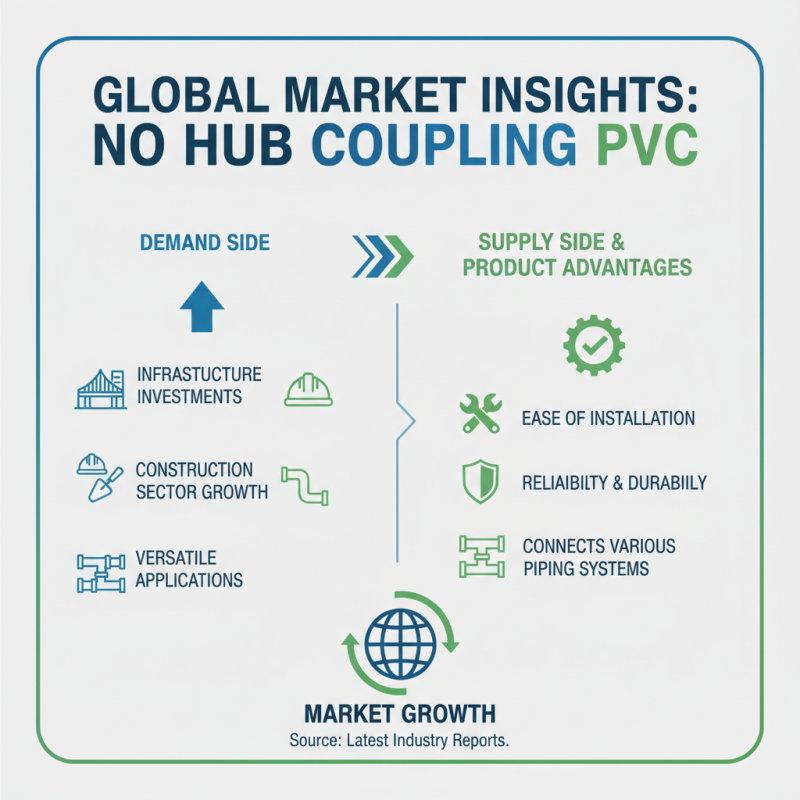
The global market for No Hub Coupling PVC is experiencing notable growth. According to the latest industry reports, demand is rising due to increased investments in infrastructure. The construction sector is a primary driver, as No Hub Coupling PVC products offer versatile applications and ease of installation. This product type is preferred for its reliability in connecting various piping systems.
Challenges remain in the supply chain. Limited raw material availability has led to price volatility. Market analysts project a 7% annual growth in demand until 2026. However, manufacturers must adapt to fluctuating costs and ensure quality control. Quality remains a central concern, as poorly manufactured products can lead to significant issues in plumbing systems.
Additionally, the sustainability aspect plays a crucial role in the purchase decisions of global buyers. Companies are increasingly seeking eco-friendly options. Although many PVC products still rely on fossil-based materials, innovations in bioplastics offer promising alternatives. Buyers may face dilemmas in balancing cost efficiency and environmental responsibility. Thus, navigating this market requires a nuanced understanding of both product specifications and industry trends.