Top 5 Loop Hanger Options for Your Business Needs?
In the evolving landscape of retail and manufacturing, choosing the right equipment is paramount. Loop hangers represent an essential tool for optimizing space and enhancing product display. According to industry reports, approximately 75% of retail success hinges on effective merchandise presentation. As companies strive for efficiency, the significance of durable and versatile loop hangers becomes even clearer.
Loop hangers provide stability and accessibility for a range of products. Studies reveal that organized displays can increase customer engagement by over 30%. However, not all hangers are created equal. Businesses often face challenges in selecting between various options that offer different functionalities and designs. This can lead to confusion and the potential for suboptimal display outcomes.
Investing in quality loop hangers can yield significant returns. The right choice improves presentation, boosts sales, and showcases products effectively. This area warrants close examination, as businesses must balance cost, durability, and aesthetics. Exploring diverse options ensures that companies can find the perfect match for their unique needs, enhancing both efficiency and appeal.
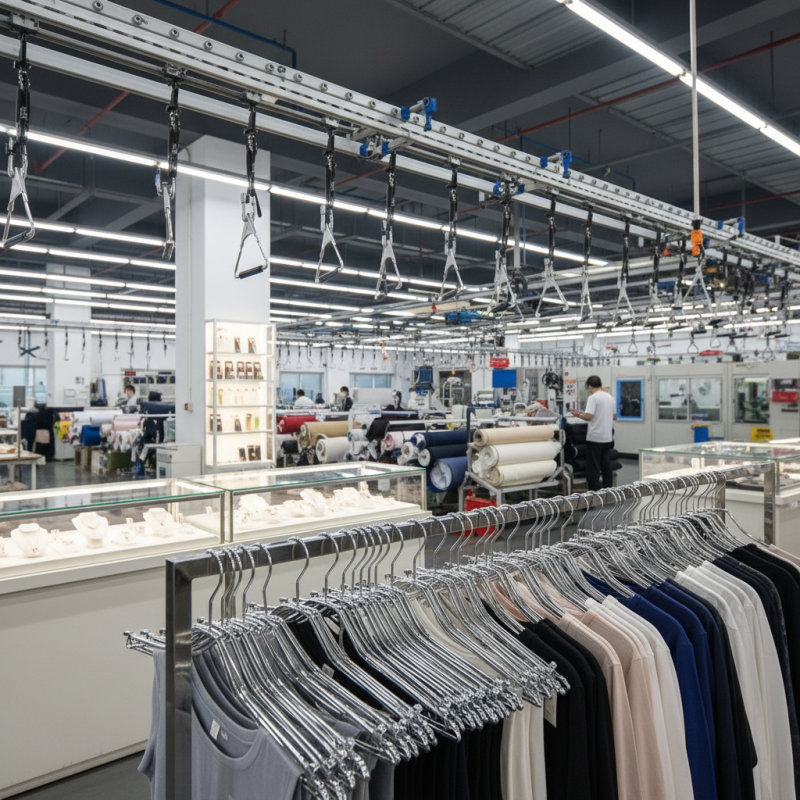
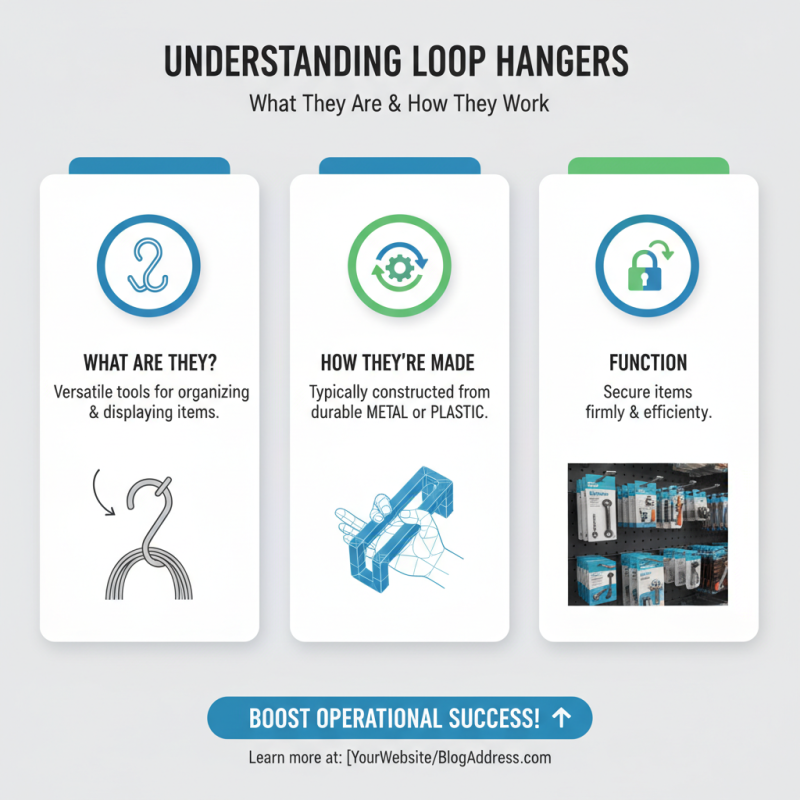
Understanding Loop Hangers: What They Are and How They Work
Loop hangers are versatile tools used across various industries. They play an essential role in organizing and displaying items efficiently. Typically made from metal or durable plastic, these hangers can secure items firmly. Understanding their mechanics can boost your operational success.
Tips: Choose the right size for your items. A too-tight fit can cause damage. A loose fit may lead to disorganization.
Another crucial aspect is weight capacity. Assess the maximum load a loop hanger can handle. This prevents unexpected falls or failures. Regularly inspect hangers for wear and tear. Signs of damage should not be ignored, as they can lead to operational hiccups.
Tips: Always consider the environment where hangers will be used. Factors like humidity or temperature can affect materials. Be prepared to adapt your choices based on these conditions.
Types of Loop Hangers: Comparing Materials and Designs
When choosing loop hangers, material options greatly influence durability and functionality. Metal loop hangers are known for their strength and resistance to deformation. They perform well in heavy-duty applications. On the other hand, plastic loop hangers are lightweight and resistant to corrosion. According to an industry report by the National Hardware Association, 65% of businesses prefer metal hangers for outdoor usage due to their longevity.
Design also plays a crucial role in the effectiveness of loop hangers. Some designs are engineered for easy installation, while others offer enhanced grip. For example, loop hangers with locking mechanisms can prevent accidental dislodging. A survey by the American Manufacturing Association indicated that 40% of users prioritize ease of use over strength. Businesses need to reflect on whether their loop hangers meet these practical criteria, as a mismatch can lead to operational inefficiencies.
Additionally, the environmental impact of materials should be considered. Recycled materials are gaining traction, with 30% of manufacturers opting for sustainable options. However, not all recycled materials meet quality standards. This creates a dilemma: balancing eco-friendliness with reliability. It’s essential for businesses to evaluate their needs carefully, ensuring they choose loop hangers that align with both operational goals and sustainability commitments.
Top 5 Loop Hanger Options for Your Business Needs
| Type |
Material |
Weight Capacity |
Design Features |
Best Use Case |
| Standard Loop Hanger |
Metal |
50 lbs |
Basic Loop Design |
General Hanging Needs |
| Heavy-Duty Loop Hanger |
Steel |
100 lbs |
Reinforced Design |
Industrial Applications |
| Plastic Loop Hanger |
Plastic |
20 lbs |
Lightweight and Sleek |
Home & Retail Displays |
| Adjustable Loop Hanger |
Aluminum |
30 lbs |
Height Adjustable |
Multi-Purpose Use |
| Decorative Loop Hanger |
Wood |
15 lbs |
Aesthetic Design |
Home Decor |
Key Factors to Consider When Choosing Loop Hangers
When selecting loop hangers for your business, several factors play a crucial role. The material of the hanger greatly impacts its durability. Stainless steel options resist corrosion, while plastic can be lightweight and cost-effective. Assessing the hanging capacity is also key. Ensure the hangers can support the weight of the items they will hold. Inspect specifications carefully to prevent mishaps.
Another factor is the design. Loop hangers come in various styles. Some feature a sleek appearance for modern environments. Others are more utilitarian and robust. You may prefer a specific design that aligns with your branding. Compatibility with existing fixtures is important too. Check how these hangers integrate into current setups.
Cost is a significant consideration as well. A budget-friendly option may seem appealing, but it’s essential to evaluate longevity. Sometimes, investing in higher-quality hangers saves money over time. Quality often reflects in reliability and performance. There could be hidden costs in constant replacements. Balancing affordability with durability requires thought. Don’t overlook user feedback either. Insights from current users can reveal practical aspects that specifications often miss.
Top 5 Loop Hanger Options for Various Business Applications
When choosing loop hangers for your business, understanding their applications is key. Loop hangers differ in materials and designs, which influence their effectiveness across industries. According to industry reports, 70% of companies prioritize durability in hardware choices. Selecting robust hangers can directly impact operational efficiency.
In retail, loop hangers are vital for organizing merchandise. They simplify product displays and enhance consumer visibility. Research indicates that 40% of retail spaces see improved sales when items are well-presented. However, businesses must also consider the aesthetic appeal of their hangers to attract customers. A balance between functionality and appearance is crucial.
Manufacturers often rely on loop hangers for assembly line efficiency. Data shows that using appropriate hangers can reduce material handling time by up to 20%. Yet, it’s important to evaluate load capacities regularly. Some businesses experience failures due to overestimating their hangers' strength. Continuous training and assessments will help maintain safety and reliability in operations.
Maintenance Tips for Maximizing the Longevity of Loop Hangers
Loop hangers are crucial for efficient systems in various industries, including construction and manufacturing. To maintain their effectiveness, regular inspections are vital. Studies show that over 30% of premature failures in loop hangers arise from inadequate maintenance. Proper inspection helps identify signs of wear. Look out for rust or deformation.
Cleaning loop hangers regularly can extend their lifespan. Dust accumulation and corrosive elements can lead to malfunction. Experts recommend using a non-corrosive cleaner every few months. Visual inspections should also focus on the installation environment. Factors such as humidity and temperature fluctuations can affect durability.
Additionally, proper alignment plays a critical role. Misalignment can lead to uneven stress distribution, increasing the risk of failure. This is often overlooked in many facilities, leading to unpredictable performance. Training staff on best practices for installation and maintenance can improve reliability. Adopting these strategies aligns with industry data showing that well-maintained loop hangers can last up to 25% longer than their poorly maintained counterparts.