2025 Top Duct Band Clamp Options: Key Features and Buying Guide
The duct band clamp industry is experiencing significant growth, driven by increasing demand for effective air distribution and HVAC efficiencies in both residential and commercial settings. According to a recent report by Market Research Future, the global duct band clamp market is projected to reach USD 1.2 billion by 2025, with an annual growth rate of 6.5%. This growth is fueled by advancements in manufacturing technologies and a heightened focus on energy-efficient systems.
Experts in the field, such as Dr. Steven Reynolds, an HVAC industry analyst, emphasize the importance of selecting the right duct band clamp for optimal performance. He states, "A well-chosen duct band clamp not only ensures airtight connections but also contributes significantly to the overall efficiency of HVAC systems." This underscores the necessity for professionals and DIY enthusiasts alike to understand the key features and specifications when purchasing duct band clamps, as the right choice can lead to reduced energy costs and improved air quality.
As we explore the top options available for duct band clamps in 2025, it is essential to consider essential factors including material durability, ease of installation, and compatibility with existing systems. This buying guide aims to provide a comprehensive overview to help consumers make informed decisions in this vital component of modern HVAC systems.

Top Duct Band Clamp Materials: Understanding the Key Options Available
When selecting duct band clamps, understanding the materials used is crucial for ensuring durability and effective performance. Common materials include stainless steel, which is renowned for its corrosion resistance and strength, making it ideal for use in various environments, particularly those exposed to moisture and air pollutants. The longevity of stainless steel clamps often makes them a preferred choice for HVAC systems and ventilation applications, as they offer reliable sealing and stability over time.
Another material to consider is galvanized steel. This option is often more cost-effective and provides a decent level of corrosion resistance due to its zinc coating. However, galvanized clamps may not withstand as harsh conditions as stainless steel, so it is essential to evaluate the specific environment in which the duct clamps will be used. Additionally, plastic and composite materials may be suitable for lighter-duty applications, as they can be more lightweight and resistant to certain chemicals, offering flexibility in installation where heavy-duty clamps are not necessary. Understanding these material properties is fundamental in selecting the right duct band clamp for your needs.
2025 Top Duct Band Clamp Options: Key Features and Buying Guide
| Material |
Max Diameter (inches) |
Temperature Resistance (°F) |
Corrosion Resistance |
Typical Use |
Price Range ($) |
| Stainless Steel |
12 |
1500 |
Excellent |
HVAC, Exhaust Systems |
15 - 30 |
| Aluminum |
10 |
1200 |
Good |
Food Processing, Ductwork |
10 - 25 |
| Polypropylene |
8 |
180 |
Fair |
Chemical Transport |
5 - 15 |
| Cast Iron |
16 |
1000 |
Very Good |
Industrial Applications |
20 - 40 |
| Mild Steel |
14 |
800 |
Moderate |
Construction, HVAC |
10 - 20 |
Essential Features of 2025 Duct Band Clamps: A Comprehensive Breakdown
When selecting duct band clamps in 2025, there are several essential features to consider to ensure you're making a well-informed decision. Firstly, material quality is crucial; look for clamps made from stainless steel or other corrosion-resistant materials that provide durability and longevity. This is particularly important for HVAC systems, where moisture and environmental factors can lead to premature wear. Additionally, the design should include a reliable tightening mechanism, such as screw or buckle styles, to maintain optimal pressure and prevent leakage.
Incorporating flexibility into your duct band clamp choice is also vital. Adjustable clamps that can accommodate various duct sizes will save you time and effort during installation. Moreover, easy installation features such as pre-drilled holes or integrated gaskets can significantly enhance efficiency.
Tips: Always measure your ductwork carefully before purchasing clamping solutions to ensure a proper fit. When working with duct installations, consider keeping a variety of sizes on hand to adapt to different projects. Lastly, pay attention to user reviews to gauge the performance and reliability of clamps under real-world conditions, which can greatly impact your decision-making process.
2025 Top Duct Band Clamp Options: Features Comparison
Industry Standards for Duct Band Clamps: What You Need to Know
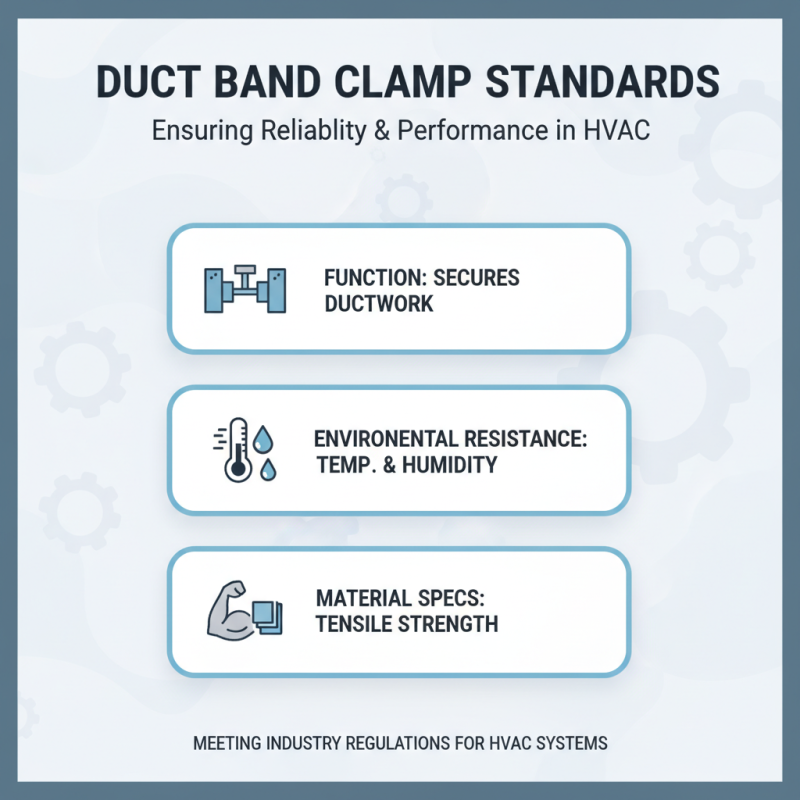
When choosing duct band clamps, understanding industry standards is crucial for ensuring both reliability and performance in ductwork applications. Duct band clamps are designed to secure two pieces of duct together, and they must meet specific regulations to be effective. Common standards focus on material specifications, tensile strength, and environmental resistance, which ensure the clamps can withstand varying temperature ranges and humidity levels typically found in HVAC systems.
Key features to look for in duct band clamps include their corrosion resistance, which is often achieved through galvanized or stainless steel materials. Additionally, the design of the clamp should provide uniform pressure distribution, minimizing the risk of leaks. Proper sizing is also essential; a clamp that fits snugly around the duct will effectively prevent air loss, enhance system efficiency, and reduce energy costs. Adhering to these industry standards not only guarantees the functionality of your ductwork but also contributes to the overall integrity and longevity of the HVAC system.
Key Factors to Consider When Buying Duct Band Clamps in 2025
When purchasing duct band clamps in 2025, several key factors should be at the forefront of your decision-making process. First, the material construction is crucial as it directly affects the durability and resistance to environmental factors.
Stainless steel options are renowned for their corrosion resistance and long lifespan, making them a reliable choice for both indoor and outdoor applications.
Additionally, consider the type of coating or finish, which can enhance resistance to rust and wear, ensuring the clamps maintain their integrity over time.
Another essential factor is the clamp size and design. Proper sizing guarantees a secure fit, preventing leaks and ensuring efficient airflow in ductwork systems.
Many modern duct band clamps come with adjustable features, allowing for greater flexibility and ease of installation across different duct configurations.
Moreover, evaluating the ease of installation is vital; some clamps are designed with user-friendly mechanisms that facilitate quicker setups, saving both time and effort.
Ultimately, considering these aspects will help you select duct band clamps that meet your specific needs and provide optimal performance in your project.
Top Brands and Their Best Duct Band Clamps: A Market Overview
The duct band clamp market has seen significant innovations and improvements, driven by the growing demand for efficient HVAC solutions. According to a recent industry report, the global duct band clamps market is projected to grow at a CAGR of 6.5% from 2022 to 2027, highlighting the increasing adoption of these products across residential and commercial applications. This rise can be attributed to the need for enhanced energy efficiency and air quality, as duct band clamps play a crucial role in securely fastening ductwork, preventing air leaks, and optimizing system performance.
Several leading brands have established themselves as pioneers in producing high-quality duct band clamps, each offering a range of options tailored for different operational needs. For instance, the latest market analysis indicates that stainless steel clamps are witnessing a surge in popularity due to their durability and corrosion resistance, making them ideal for demanding environments. Additionally, features such as quick-install mechanisms and adjustable designs are becoming essential, catering to the needs of professionals who prioritize ease of use and installation efficiency. As the market evolves, these characteristics are becoming the benchmark for quality, influencing purchasing decisions and setting new standards for the duct band clamp category.